- Home
- Housing By Diagnosis
- Huntington's Disease
Disability Housing for Huntington’s Disease
Finding the right home when living with Huntington’s Disease can feel like a big step. Enliven Housing offers disability housing for people with Huntington’s Disease that support independence, safety and long-term living. Our NDIS-funded homes are designed to adapt as physical, cognitive and support needs may evolve.
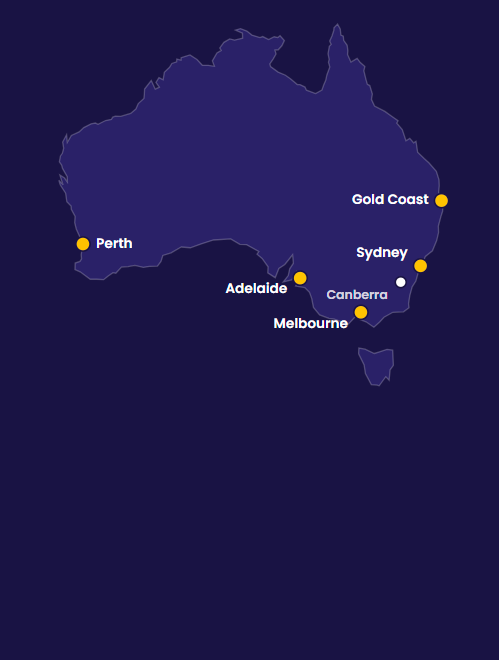
We offer Specialist Disability Accommodation (SDA) across NSW, QLD, VIC, SA, ACT and WA, with options ranging from private apartments to shared living. Our team works closely with you and your formal supports to find a home that fits your goals, now and into the future.
Huntington's Disease Housing Options Available
Enliven's SDA Housing Options for People with Huntington's Disease
Finding the right home can make a huge difference to wellbeing, routine and independence. Enliven Housing offers SDA in a range of property types designed to support people with Huntington’s Disease with higher support needs – including apartments, villas and shared living (group homes) with Assistive Technology and thoughtful designs that promote safety and comfortability for both you and your support network.
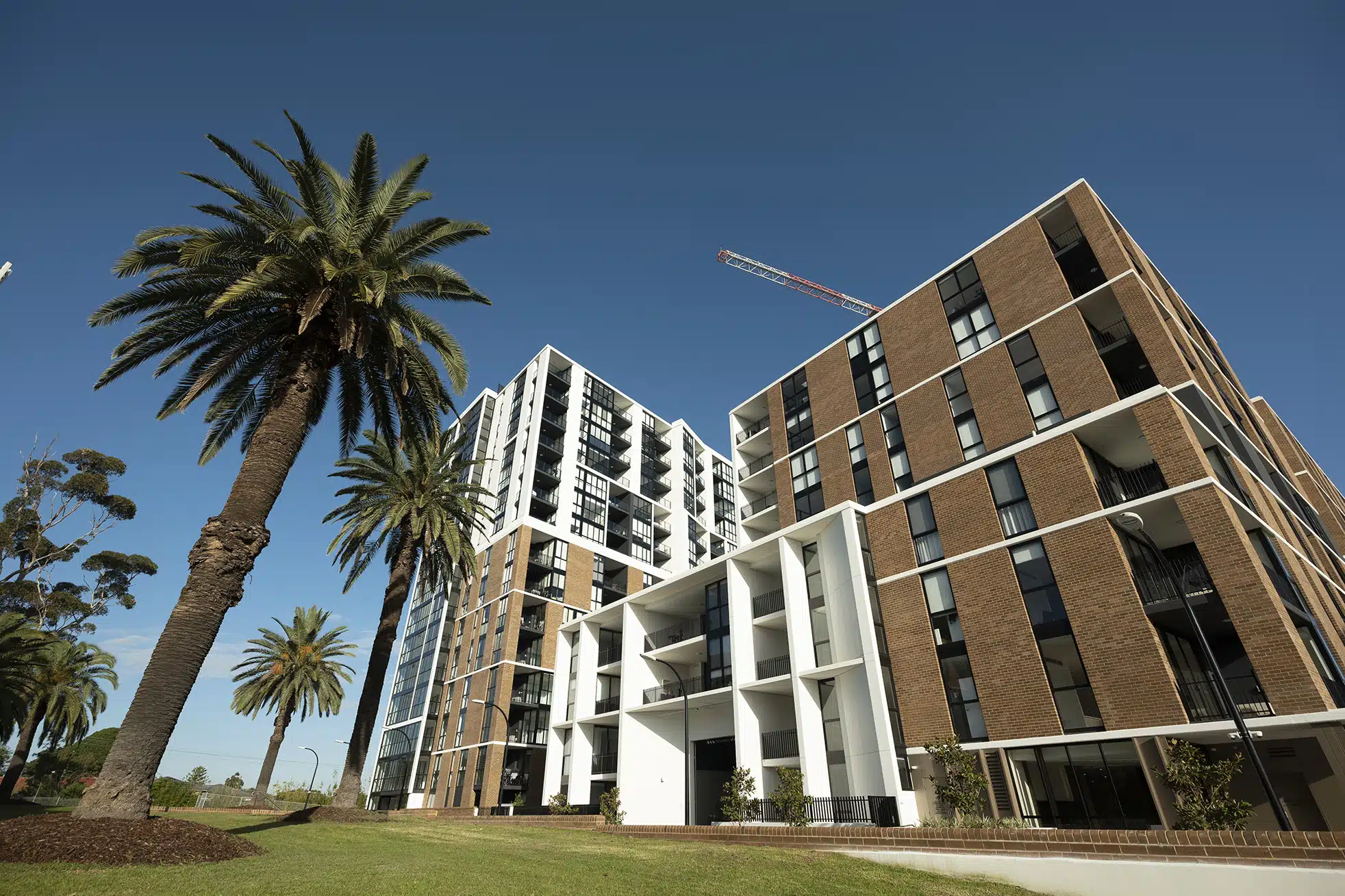
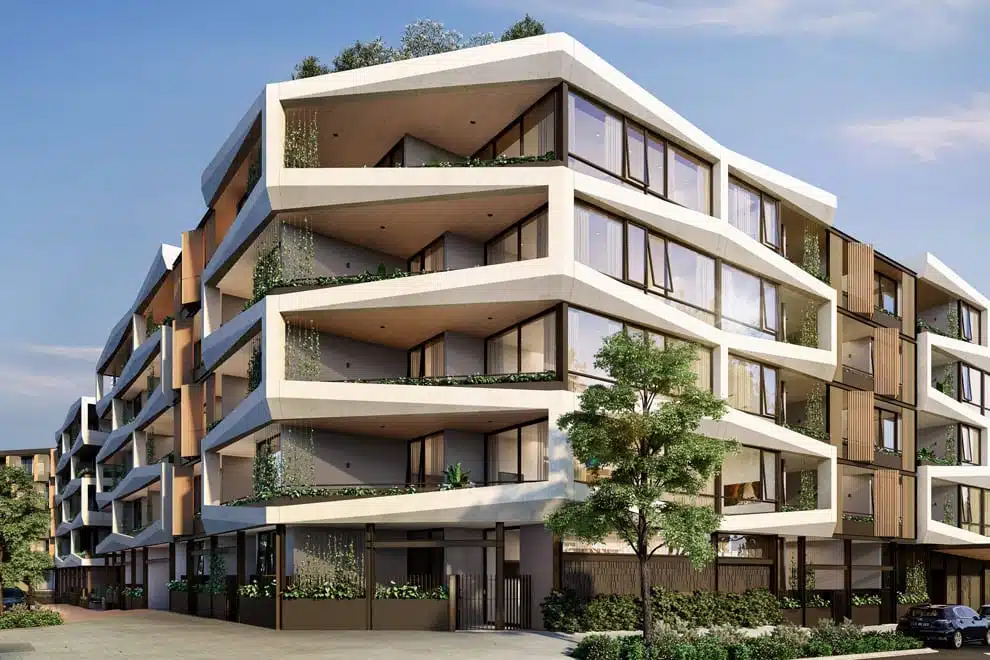
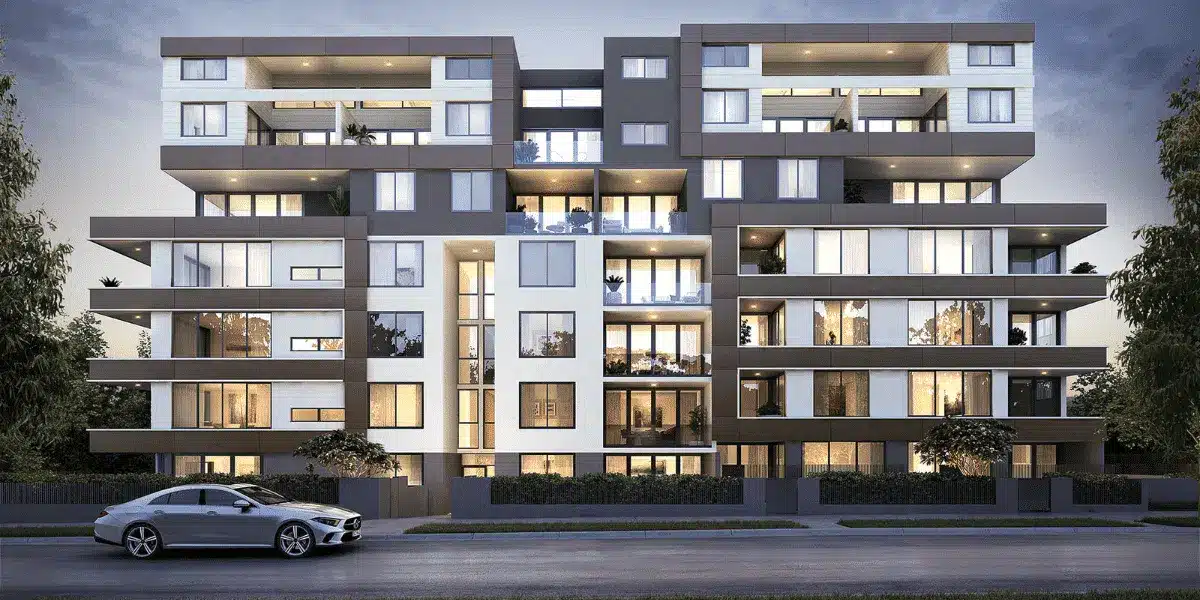
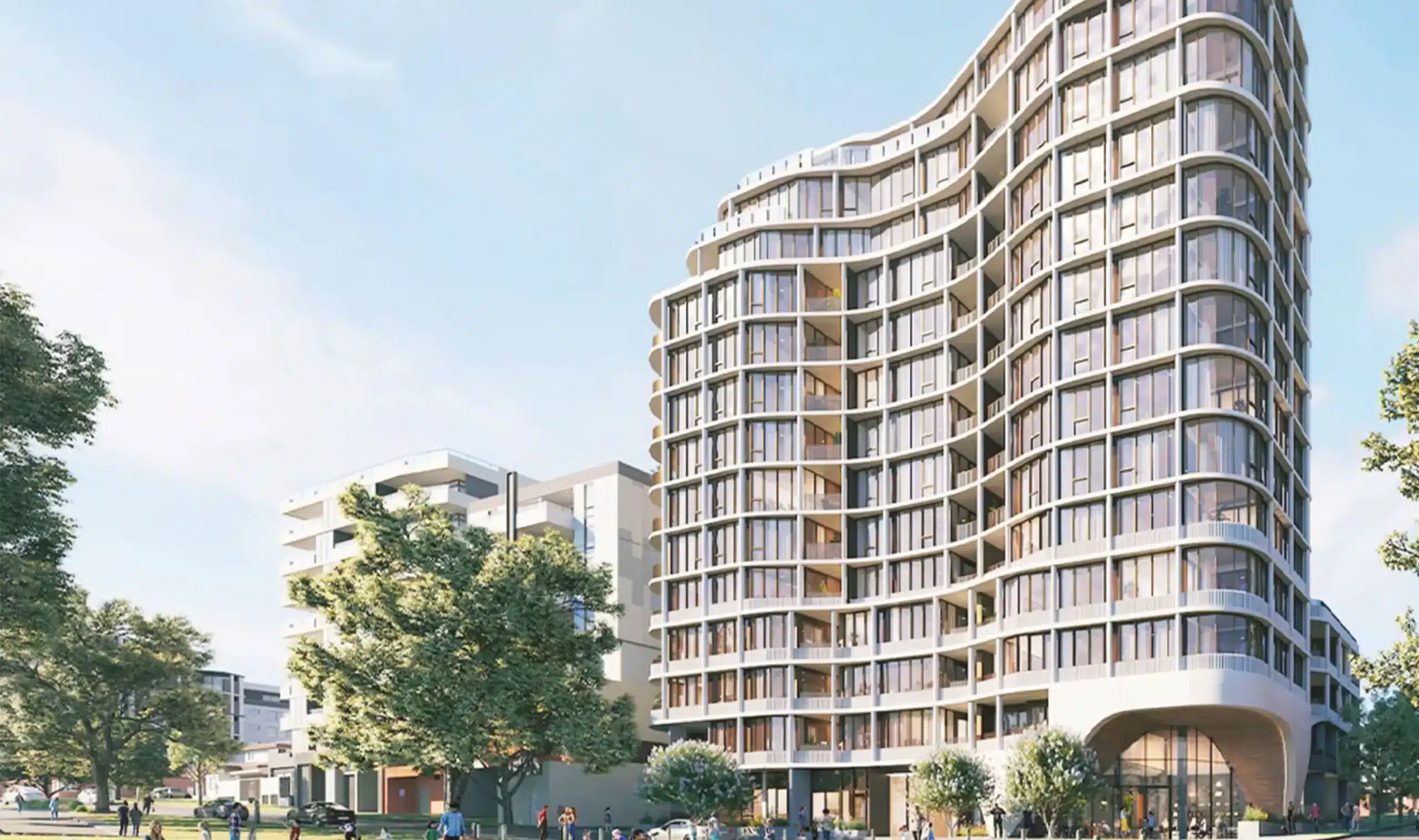
Enliven’s SDA apartments are ideal for people with Huntington’s disease who want their own space while staying close to support and services. Apartments are purpose-built to support safety and comfortability in a private and modern setting.
Features you can expect
- Self-contained one to two-bedroom apartments
- Step-free access and accessible bathrooms
- Assistive Technology (AT) to support daily living
- Proximity to transport, healthcare and community spaces
- Accessible elevators
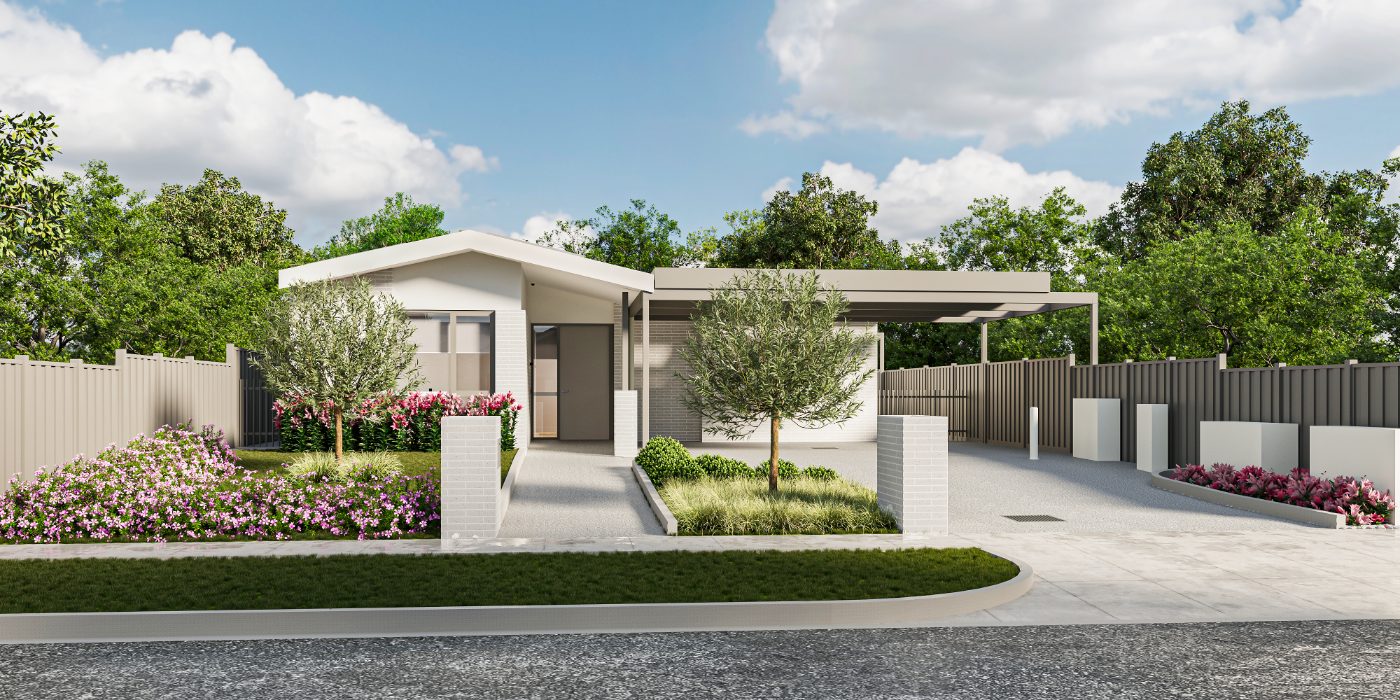
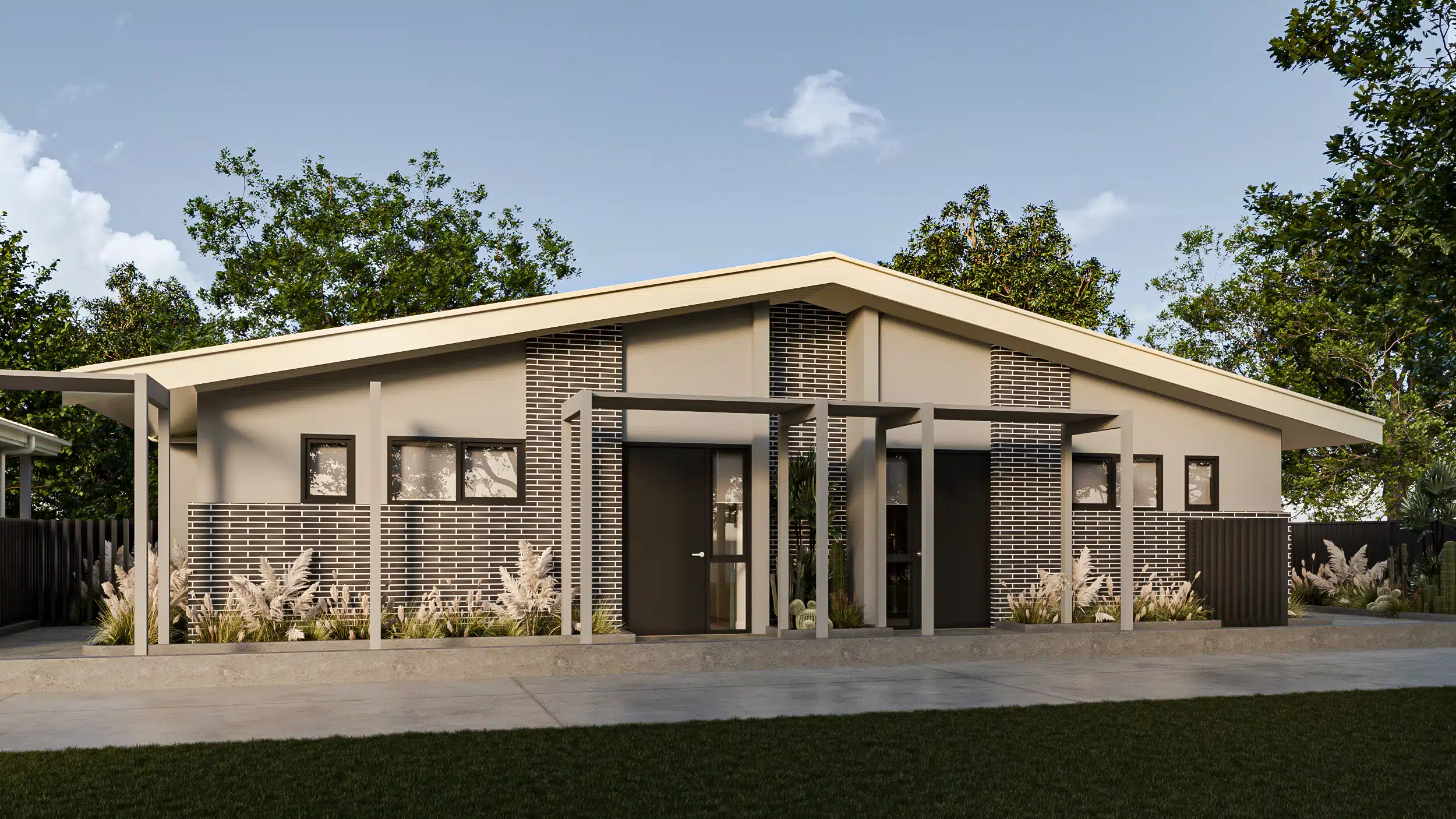
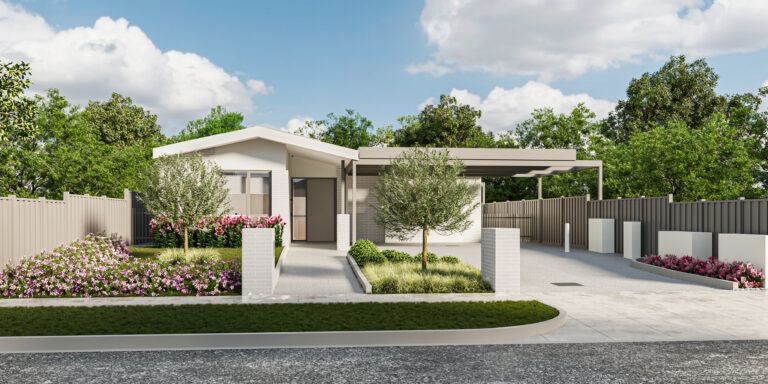
SDA villas are a great option if you like more privacy and room to move, while still living in a supportive neighbourhood-style setting. Your villa will have a private entrance and a quieter environment.
Features you can expect:
- Semi-detached, single-level homes with private entrances
- Accessible kitchens, bathrooms and living areas
- Assistive Technology options to support safety and independence
- High-quality, modern finishes designed for comfort and long-term living
Shared living can work well for people with Huntington’s Disease who benefit from consistent, onsite support. It offers a balance of independence and community, making it a great option if you enjoy social interaction while still maintaining your own space and privacy.
Features you can expect:
- Purpose-built shared homes in residential neighbourhoods
- Shared supports with clear boundaries between housing and care
- Flexible spaces for rest, routines and social connection
- A community-first model focused on choice and control
- Capacity for up to three SDA residents, depending on design category
What Makes Our Autism-Friendly Homes Different?
Designed for Progressive Needs
- Homes that support changing mobility and strength
- Wider doorways and step-free movement throughout
- Bathrooms designed for safe transfers and support equipment
Assistive Technology Integration
- Smart lighting and automation to reduce physical effort
- Emergency call systems and monitoring options
- Infrastructure ready for future AT upgrades
Routine and Predictability
- Consistent support staff
- Structured daily routines
- Clear communication tools
Who Is Eligible for Huntington’s Disease Housing Under the NDIS?
In order to be eligible for SDA housing, you must first be an NDIS participant. This has it’s own eligibility criteria that is separate from SDA eligibility.
The National Disability Insurance Agency (NDIA) doesn’t allocate funding based on diagnosis alone. Instead, eligibility is determined by your functional impairment and support needs. This approach recognises that people living with the same condition can experience different levels of support needs.
You may be eligible for SDA if it’s the best option for your support needs when compared to other options alone. To determine this, an NDIA representative will work with you and your support network using a specific SDA eligibility criteria.
According to the NDIS, you may be eligible for SDA if you have an extreme functional impairment or you have very high support needs.
Huntington’s Disease is commonly associated with extreme functional impairment. However, eligibility is assessed on an individual basis, taking into account the stage and progression of the condition and how it impacts daily living, mobility and safety.
We’ll work closely with you and your formal supports to help you understand your eligibility and explore the housing options that best support your long-term independence.
How to Get Housing For Huntington's Disease Through the NDIS
Review your NDIS plan and goals
Identify required supports (SIL, SDA, ILO)
Work with your Support Coordinator and Occupational Therapist
Tour available Enliven homes
Move in and begin your tenancy
Ready to Find the Right Home?
Finding the right home is an important step. You don’t have to do it alone.
Enliven Housing is here to help you explore disability housing for people with Huntington’s Disease, understand your NDIS pathway, and find a home that supports your independence, comfort and wellbeing — for the long term.
Reach out today and let’s find the place where you can thrive.
FAQ
What type of housing is best for Huntington’s Disease?
There is no single “best” housing option for individuals with Huntington’s disease. The right choice depends on your individual support needs, how you like to live and the NDIS funding you are approved for.
That said, many individuals with Huntington’s Disease are assessed eligible for High Physical Support SDA. This is one of four SDA design categories. This category is a good option if you need more assistance with daily activities and require specialised equipment to help both you and your support workers navigate tasks safely and effectively.
Does the NDIS fund housing for Huntington’s Disease?
Yes. The National Disability Insurance Scheme (NDIS) can provide SDA funding for eligible participants, including both shared and single-occupancy homes.
Eligibility depends on your individual needs and circumstances. If you’re unsure whether you qualify, you can use our SDA eligibility calculator or speak with your Support Coordinator to explore your options.
Can I stay in the same home as my needs change?
Enliven homes are designed to support long-term living.
We understand that support needs can evolve over time, particularly for people living with Huntington’s disease. Our SDA homes are a combination of Improved Liveability, Fully Accessible and High Physical Support designs. This means your home is built to accommodate different levels of mobility, support and safety requirements — now and into the future.
Our homes are also designed with provisions for future Assistive Technology (AT) automation. If your needs change, new technology can be added without you needing to move or change homes.
How do I find disability housing for Huntington’s Disease?
Finding housing for people with Huntington’s Disease usually starts with understanding the NDIS plan and eligibility. You can search for registered SDA Providers, speak with your Support Coordinator or contact housing providers directly to ask about vacancies and locations.
At Enliven, we offer SDA housing across Australia and can help you explore options that suit your needs, preferences and location.
What’s the difference between SIL and SDA for Huntington’s Disease?
Supported Independent Living (SIL) refers to the daily support services you receive in your home, such as help with personal care, meals and household tasks. Specialist Disability Accommodation (SDA) refers to the physical home itself — housing designed to support people with higher or more complex needs.
For some people with Huntington’s Disease, Fully Accessible and High Physical Support SDA homes offer features that can be particularly beneficial, such as step-free access, accessible bathrooms, wider doorways and the ability to integrate assistive technology and support equipment. These features are not typically covered by standard housing or SIL funding alone.
Learn more about the difference between SIL and SDA
Reach out today
"*" indicates required fields