Applying for SDA funding through the NDIS takes six main steps:
Build your support team: an NDIS Planner, a Support Coordinator and an Occupational Therapist (OT)
Gather your evidence: an OT housing report, a functional capacity assessment and supporting reports
Submit your request to the NDIA: your Change of Situation form and the Supporting Evidence Form, Home and Living
Attend your planning meeting to discuss your needs, goals and housing
Receive your decision: if approved, your funded design category appears in the Capital Supports part of your plan
Find your SDA home and move in
This guide explains how to apply for SDA funding through the NDIS step by step, including who can help, which documents you need and what happens after you apply. It is written for NDIS participants, family members and Support Coordinators. For the bigger picture, see What is SDA Housing?
What is SDA Housing in NDIS?
Specialist Disability Accommodation (SDA) is a type of housing funded through the NDIS for people with extreme functional impairment or very high support needs.
It’s also important to understand that SDA funding is separate from the personal care and daily support services you may receive in your home.
SDABricks and mortar
Specialist Disability Accommodation
●Funds the physical dwelling and its maintenance
●Paid directly to your housing provider
●Tied to a design category and an enrolled property
SILPeople and support
Supported Independent Living
●Funds paid personal support and daily living help
●Covers tasks like household chores and personal care
Because SDA and SIL are funded separately, you can usually change support providers without needing to move out of your home. This gives you more flexibility and choice over the supports you receive while still staying in a home that suits your needs.
The amount of SDA funding you may receive is largely determined by two key factors: your approved SDA design category and the type of dwelling that best suits your needs and lifestyle. Together, these factors help the NDIA determine the level of funding required to provide you with safe, appropriate and accessible housing.
SDA Funding and Design Categories
Your SDA funding amount will depend on the SDA design category you’re eligible for. There are four SDA design categories, each containing specific home features to support different functional needs and levels of accessibility:
IL
Sensory, intellectual or cognitive impairment
Improved Liveability
Improved Liveability homes provide a reasonable level of physical access plus additional features that promote safety, comfort and easy wayfinding. Doorways, handles and switches are clearly visible so moving through the home is seamless.
Key design features
●All corridors and passageways must be at least 120cm wide
●Luminous contrast of at least 30% between two surfaces (e.g. door leaf and door frame)
Fully Accessible (FA) homes focus on a high level of physical access. They’re step-free throughout and include modifications that make everyday movement and use more comfortable — particularly beneficial for wheelchair users.
High physical impairment with critical support needs
High Physical Support
High Physical Support (HPS) is the most comprehensive SDA design category built for participants with higher support needs. This category is most compatible if you often require additional support and specialised equipment for day-to-day activities.
Under the SDA Design Standard, the Robust design category addresses the needs of participants who may present with complex behaviours or psychosocial disability, such as Autism or mental health conditions. This design category ensures that homes are built to support not only participant safety and comfort but also the long-term durability of the property.
Key design features
●Kitchen benchtop and cabinetry must be made of robust materials
●The main bedroom must be sound-insulated
●Windows must be made of shatter-free material such as laminated glass or polycarbonate
●Fittings and fixtures such as sink tap must be durable and vandal proof
The level of funding provided reflects the complexity of the home’s design and specialist features. For example, High Physical Support homes attract the highest level of SDA funding because they include advanced infrastructure such as ceiling hoist provisions, backup emergency power and assistive technology supports. In contrast, Improved Liveability homes attract a lower funding level, reflecting more subtle design modifications that improve safety, navigation and independence for people with sensory, intellectual or cognitive impairments.
SDA Funding and Dwelling Type
Along with your SDA design category, the NDIA also considers the type of dwelling that best suits your lifestyle, support needs and long-term goals. There are four recognised SDA dwelling types:
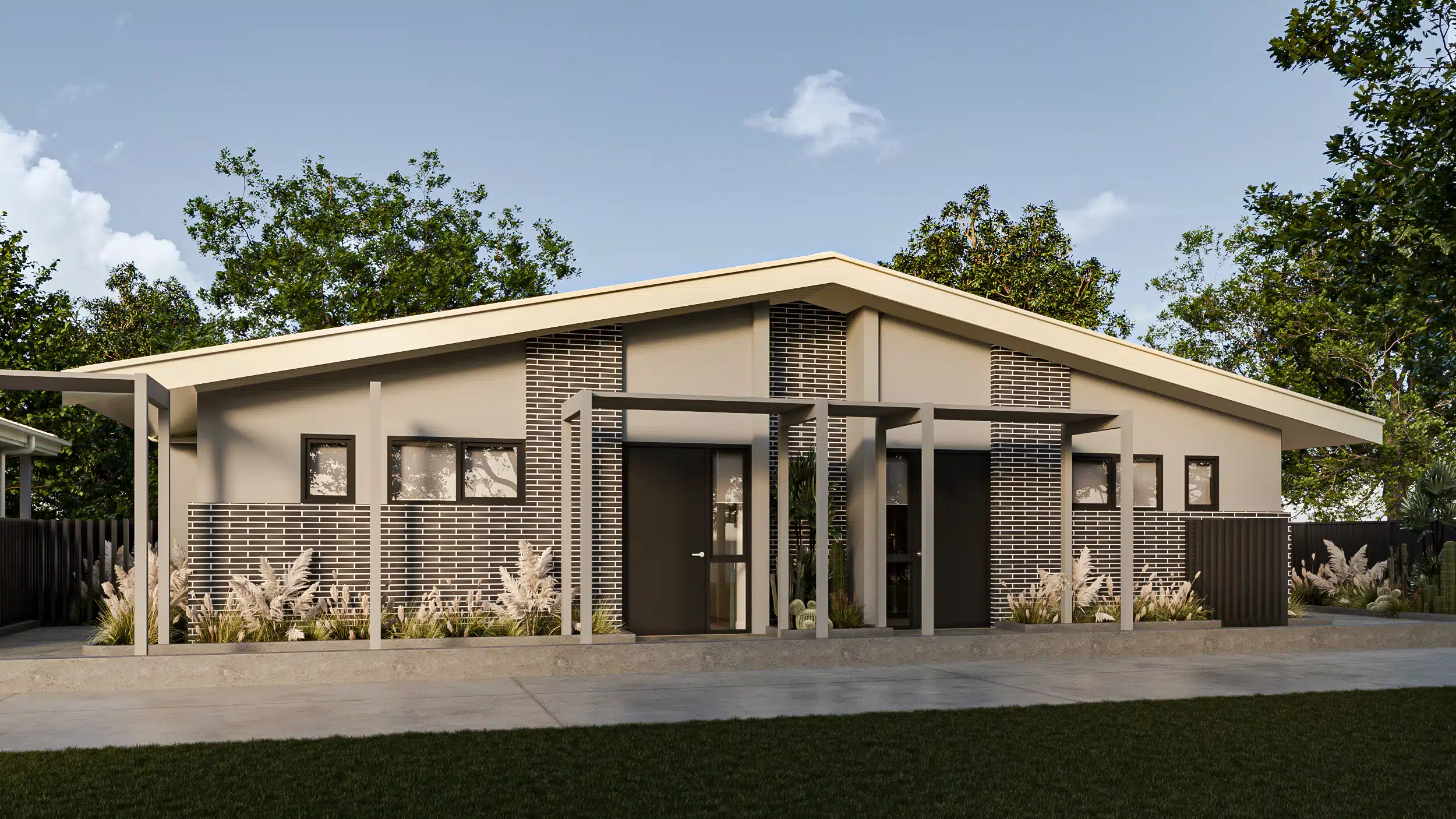
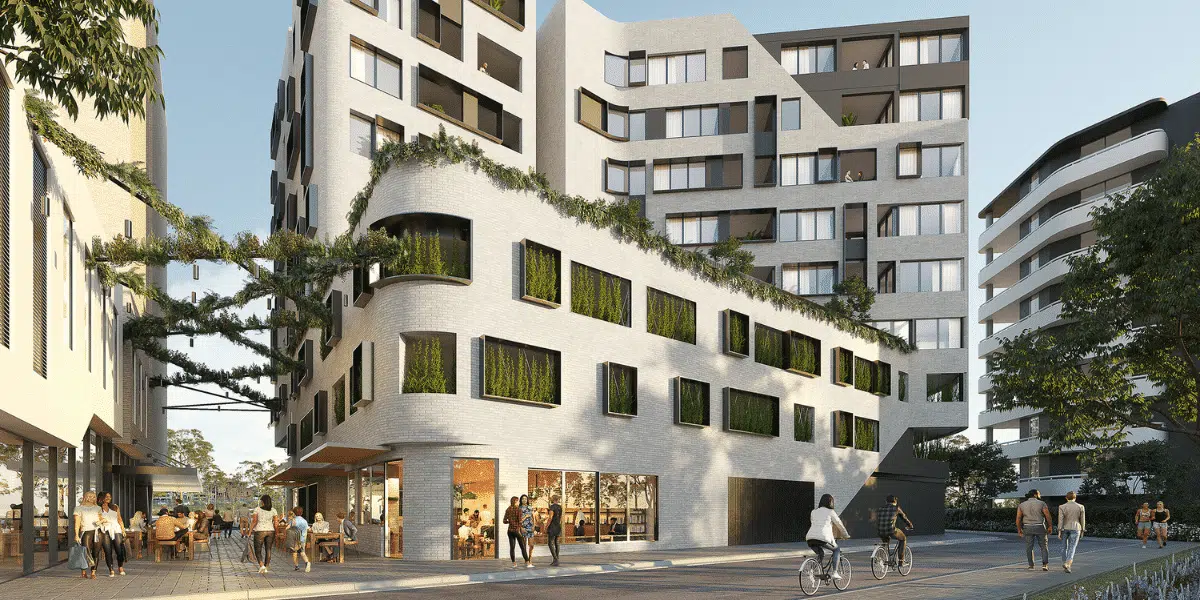
The dwelling type can influence both your SDA funding level and the type of living environment recommended in your application. The NDIA will assess which option is considered reasonable and necessary based on your daily living needs, independence and compatibility with other residents if shared housing is involved.
For example, a group home may not be the most suitable option for someone who works from home and requires a quiet or private environment during business hours. In this situation, a villa or apartment may provide greater independence and better support the participant’s lifestyle goals.
Step by Step Application Process
1
Step 1: Build your Team of Support
The first important step of the SDA process is to build a strong support team. Connecting with professionals like an NDIS (National Disability Insurance Scheme) planner, Support Coordinator or Occupational Therapist (OT) ensures clear communication for a smoother, faster application experience.
NDIS Planner
An NDIS Planner will work with you and your team to develop your NDIS plan. They’ll be in charge of providing information and advice, along with determining how much funding you’ll receive.
Support Coordinator
A Support Coordinator helps NDIS participants understand their plan, connect with services and manage supports to meet their goals. They can help you evaluate your current supports and identify what is working and what might need adjustment, ensuring you have the right services to support your needs.
Occupational Therapist
The OT will provide you with therapy and recommendations for managing daily tasks, increase independence and improve your overall quality of life. In relation to SDA, an OT can access your home and recommend adaptations to support your needs and improve independence. This information is important when assessing SDA eligibility.
Local Area Coordinator
A Local Area Coordinator (LAC) provides support and information about the NDIS typically in the early stages of NDIS support. Their priority is to link you to not only NDIS supports but other mainstream and community support in your local area.
2
Step 2: Gather your documents
Collect all necessary documents, such as recent reports from allied health professionals and letters that outline your daily support and housing needs. It’s important to have your housing Support Coordinator review these documents to ensure they meet NDIS requirements.
What you need to apply
Having these ready before you submit makes the process faster and smoother:
✓A current NDIS plan, or a request to review or reassess it
✓A completed Change of Situation or Change of Details form
✓The Supporting Evidence Form, Home and Living
✓A Functional Capacity Assessment
✓An Occupational Therapist housing report
✓Evidence of how your current home affects your daily living, safety and support
3
Step 3: Submit your application to the NDIA
The next step is to send an application to the National Disability Insurance Agency (NDIA). You can start by sending an email to the NDIA with the following documents:
Change of Details or Change of Situation Form: This can be found on the NDIS website under the ‘Requesting home and living supports’ page.
Supporting Evidence Form, Home and Living: This form can also be downloaded from the NDIS website. While it’s not required at this stage of the application, submitting it is highly recommended to help make the process faster and smoother. This form provides a general overview of your disability and support needs.
Functional Capacity Assessment: This is a detailed evaluation of your ability to perform daily tasks. It evaluates a variety of supports (such as SDA) and how they might benefit your needs and personal goals.
4
Step 4: Attend your planning meeting
Once submitted, an NDIA Representative will reach out to you using your preferred contact method, such as a phone call, online meeting, email or in person. If you select mobile as your preferred option, you’ll receive a text message with details on when to expect their call.
This conversation, known as the Planning Meeting, is where you’ll discuss your personal circumstances, current supports, daily needs, safety requirements, goals, plan management preferences and the specific support needed to maximise your NDIS plan.
These meetings can sometimes last over an hour, so it’s a good idea to set aside enough time.
5
Step 5: Receive your NDIA decision
After reviewing your application, the NDIA will notify you of your NDIS SDA funding decision by your preferred method of contact you stated in your application. It will be either approved or disapproved.
If approved, you’ll be able to view your plan in the PACE portal approximately 24 hours after it’s approved. Your approval plan will have the finalised details of your support needs, SDA funding eligibility (including what SDA design category you’re eligible for) and budget. The next step from here is to look for an SDA provider.
6
Step 6: Find your SDA home and move in
The next step in your journey is finding an SDA housing provider that meets your support needs and lifestyle preferences.
The most common way to search for SDA housing is online. Your NDIS plan outlines which SDA design category, building type and location you’ve been funded for, so it’s important to filter your options carefully to find a home that aligns with your eligibility.
The SDA Vacancy Finder on the NDIS website includes a detailed filter, making it easy to sort through over a thousand SDA options across Australia.
During this step, it is a good idea to attend open homes with any providers you have shortlisted. At Enliven Housing, we give you the opportunity to personally inspect any SDA homes you’re interested in. Our team is here to walk you through the features of each home, answer any questions and ensure you feel confident in your decision before moving forward.
Before starting the SDA application process, it’s important to understand whether you may meet the NDIA eligibility criteria for SDA funding.
To qualify for SDA funding, the NDIA will generally consider whether:
✓You have extreme functional impairment or very high support needs
✓SDA housing will help you pursue your NDIS goals
✓SDA is considered reasonable and necessary for your condition
The NDIA will also look at how specialised housing could improve your:
✓Daily life, independence, safety and long-term wellbeing. This includes considering whether the design features of an SDA home may reduce your reliance on daily supports and create a living environment that better suits your needs and lifestyle goals.
SDA Pricing and the NDIA Reasonable Rent Contribution
The funding amount for SDA housing is determined by the NDIA using the NDIS Pricing Arrangement. The SDA Pricing Arrangements set the maximum price providers (Like Enliven Housing) can charge for SDA under the National Disability Insurance Scheme (NDIS).
SDA pricing varies depending on:
✓SDA design category
✓Building type
✓Location
✓Number of residents
High Physical Support homes generally attract the highest SDA funding due to the specialist infrastructure required, while Improved Liveability homes sit at the lower end of the pricing scale.
The NDIA SDA payment is made directly from the NDIS to the registered SDA provider. The only payment you are required to make yourself is the Reasonable Rent Contribution.
Reasonable Rent Contribution
Participants living in SDA homes are required to contribute toward the cost of their housing. The reasonable rent contribution is generally calculated as:
Your reasonable rent contribution
With Enliven Housing, capped at the following
25%
of your Disability Support Pension
25%
of your Pension Supplement
100%
of Commonwealth Rent Assistance or equivalent
What If My SDA Application Is Rejected?
If your SDA application is rejected, you can ask the National Disability Insurance Agency (NDIA) for an internal review. The NDIA will work towards completing all internal reviews starting the day after they receive your request.
The NDIA aren’t always right, which is why we offer our Housing Outcomes Program (HOP). Our team of specialists work alongside your existing Support Coordinator and allied health team to help guide you through the process and strengthen your appeal evidence. Enliven Housing also covers part of the cost of the program, helping reduce the financial pressure often associated with SDA reviews and appeals.
In certain cases, Enliven Housing may offer you a place in one of our SDA homes while you wait for an internal review outcome to come through.
Frequently Asked Questions About the SDA Application Process
How long does the SDA application process take?
Every application can be different. Most take several months from the initial assessments through to the NDIA decision. The timeframe can depend on how complex your situation is and how quickly supporting reports and evidence can be gathered.
What documents do I need for an SDA application?
Most SDA applications require reports and supporting evidence that explain why you need specialised housing. This commonly includes occupational therapy reports, functional assessments, medical evidence and information about how your current living situation impacts your daily life and supports.
Can I apply for SDA without a Support Coordinator?
Yes, you can apply without a Support Coordinator. Although, many people find it helpful to work with experienced professionals who understand the SDA process and evidence requirements.
How does SDA funding appear in my NDIS plan?
If your application is approved, your SDA funding will appear in the Capital Supports section of your NDIS plan. It will outline the SDA design category you have been approved for, along with the funding allocation for your housing supports.
What is the difference between SDA and SIL?
SDA housing funds the physical home itself, while Supported Independent Living (SIL) funds the daily support services provided inside the home. You can read more about the difference between SDA and SIL in our SIL vs SDA guide.
Take the Next Step with Enliven Housing
Our team can help you check your eligibility, prepare your application and find an SDA home that suits your needs. If you’re unsure about your eligibility, our SDA eligibility calculator is a good place to start.
Whether you’re just exploring SDA funding and options or ready to find your SDA home, our team is here to support you every step of the way. Get in touch with our team today to talk through your options.