There are four Specialist Disability Accommodation (SDA) design categories: Improved Liveability, Fully Accessible, High Physical Support and Robust. Each category […]

Brad Wainman
Browse live vacancies across every state and territory.
Search the directory Check my eligibility →There are four Specialist Disability Accommodation (SDA) design categories: Improved Liveability, Fully Accessible, High Physical Support and Robust.
Finding the right Specialised Disability Accommodation (SDA) starts with understanding the categories. This guide breaks down the four SDA design categories to help you choose the best fit for your needs.
SDA are specially designed homes built to accommodate individuals with high support needs. It can be in the form of houses, apartments, villas or duplexes and are fitted out with special design features and a range of Assistive Technology.
Not everyone will benefit from the same features; what’s essential for one person may be unnecessary for another. This is why the NDIS has created SDA design categories, each containing specific design features, creating a home customised to support your unique needs.
Specialist Disability Accommodation (SDA) is built within four categories: Improved Liveability, Fully Accessible, High Physical Support and Robust.
Each SDA design category follows specific criteria outlined in the NDIS SDA Design Standard. These standards are in place to help you make the most of your NDIS SDA funding while ensuring your home is equipped with the features that best support your needs.
To determine which SDA category is best for you, the NDIS will look at how the features of each design category would reduce your support needs and how a particular design feature may or may not make it easier for you to access other supports. When selecting SDA categories, the NDIS will look at reports from your health professionals such as your Occupational Therapist along with any goals you wish to achieve.
Below are the four design category options that may be considered. It is important to understand the differences between these categories when considering SDA.
Improved Liveability (IL) caters to participants with sensory, intellectual or cognitive impairments. It offers subtle design features that can significantly enhance the liveability of those who may need that extra bit of support in their home. Some of these features include contrasting walls and doors, improved wayfinding with limited corridors, task lighting and visual assistance lines. The main outcome of Improved Liveability housing is to assist you to navigate around and promote overall safety and comfort.
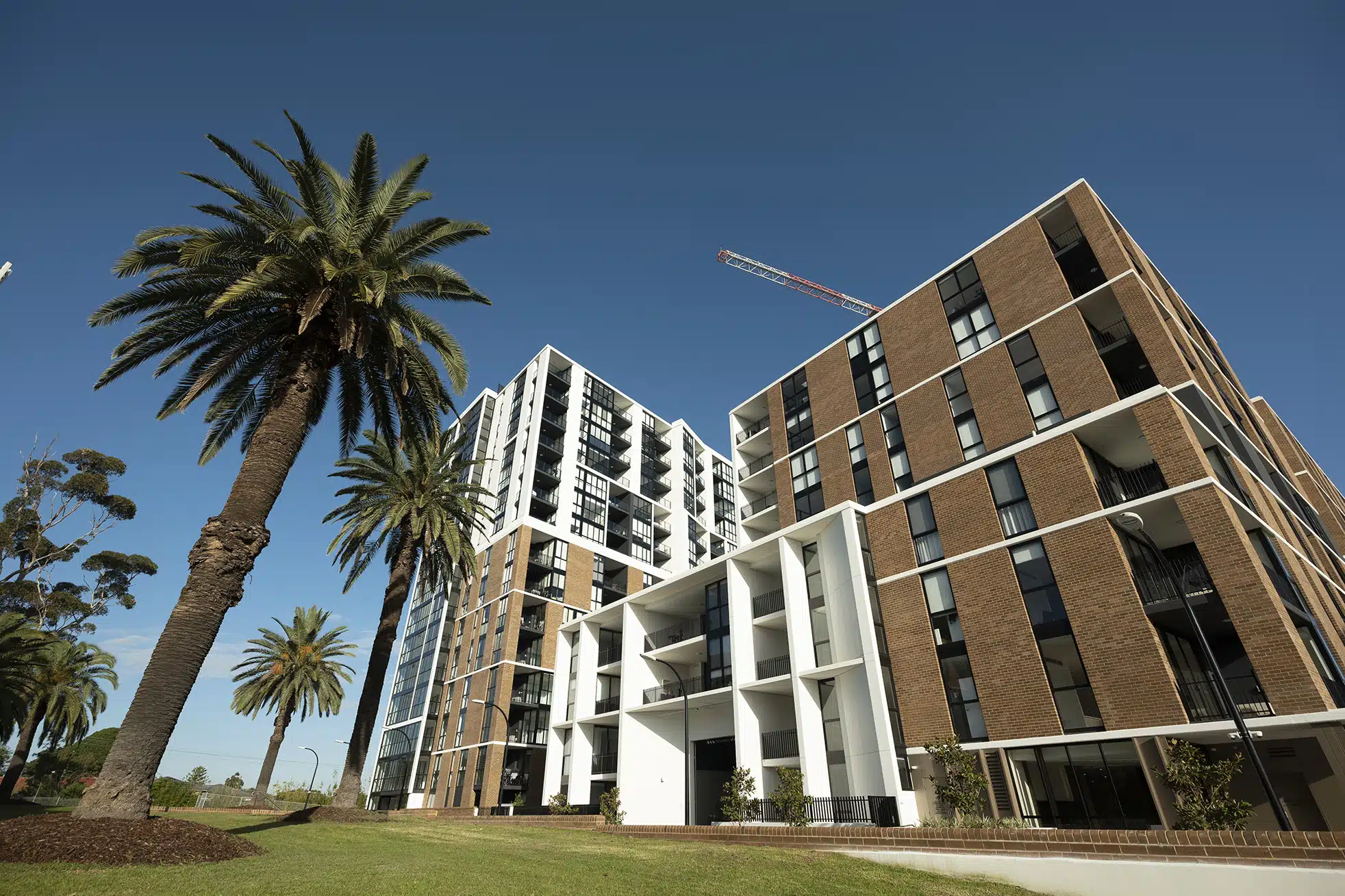
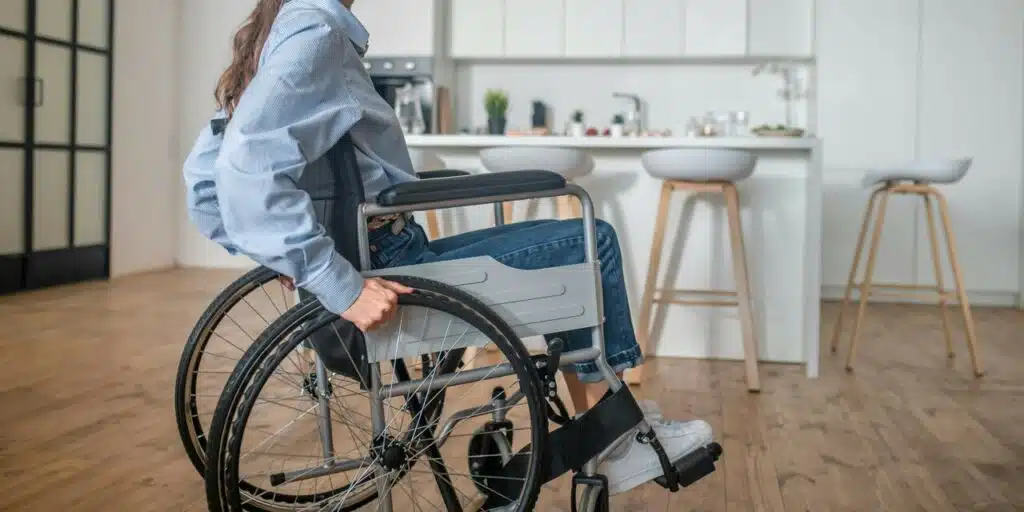
The Fully Accessible (FA) design category caters to individuals with high physical impairment. The main focus of this design is to support mobility so you can move around your home with ease. The main features of FA SDA include wider doorways and corridors, flat flooring and open-plan layouts.
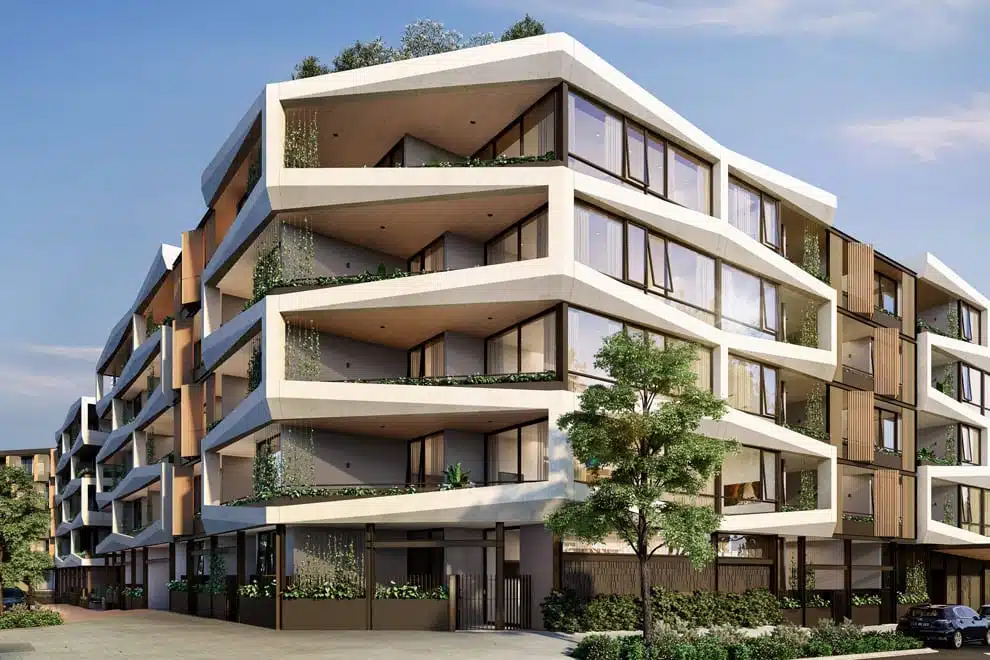
The High Physical Support (HPS) design category caters to individuals with high physical impairment and require a lot of support with daily activities. Similar to the Fully Accessible design category, this category features open-plan layouts, step-free accessways and wide corridors. Additionally, other provisions such as ceiling hosts and even wider door openings are required to enhance accessibility, movement and comfort for you.
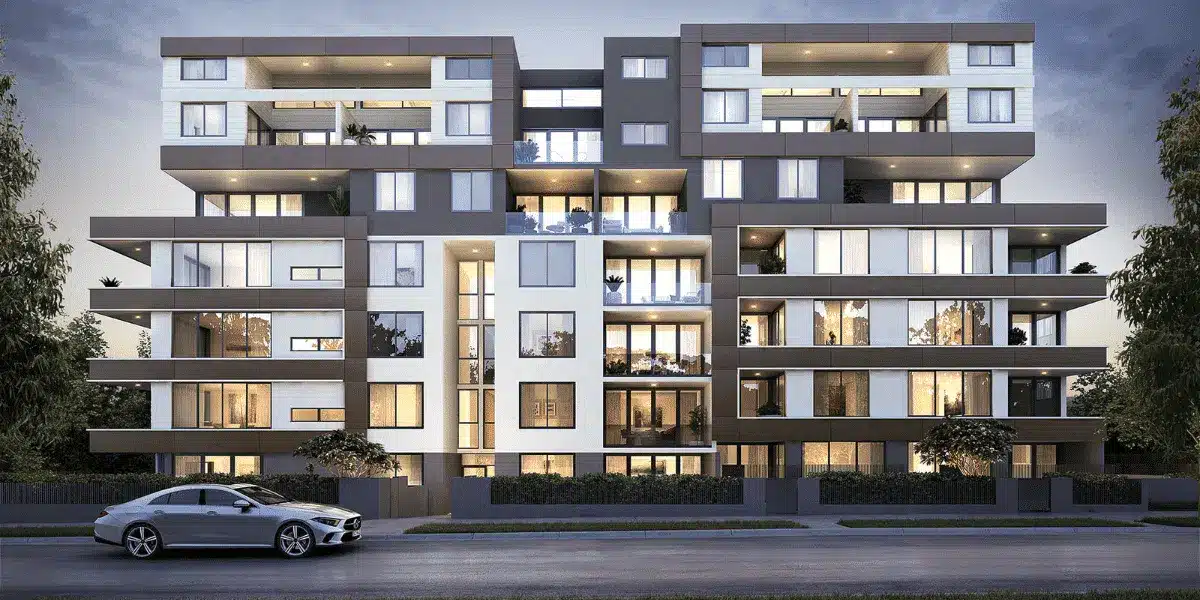
The Robust SDA design category caters to individuals with disability such as autism, mental health conditions and other psycho-social disorders. Homes under the Robust category are built with durable and strong materials that prevent injury, neighbourhood disturbances and the need for frequent maintenance.
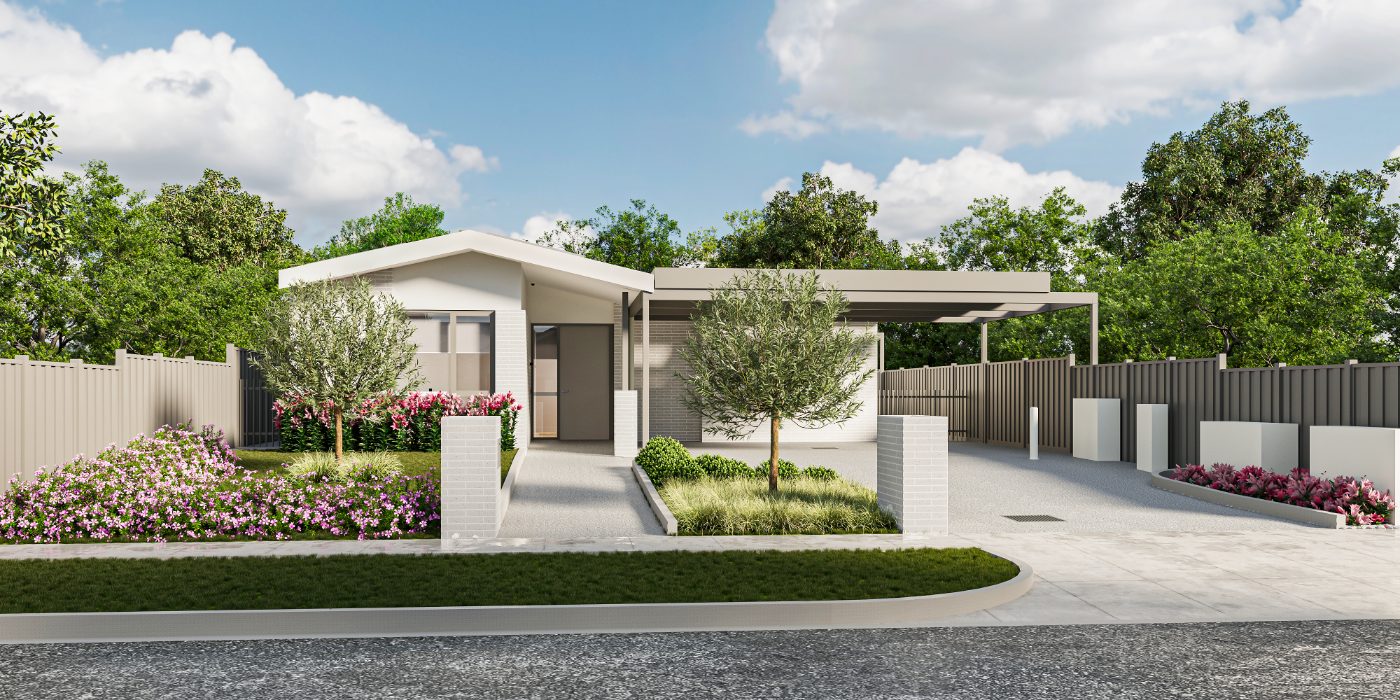
Our Home and Living team can talk through your functional needs and what each category would change day to day.
| Category | Main focus | Best suited to | Standout features |
|---|---|---|---|
| Improved Liveability | Easy navigation and comfort | Sensory, intellectual or cognitive impairment | Contrasting walls and doors, wayfinding, task lighting, visual assistance lines |
| Fully Accessible | Wheelchair access | Significant physical impairment | Wider doorways and corridors, flat flooring, open-plan layouts |
| High Physical Support | Very high physical support | Extreme functional impairment | Ceiling hoists, 95cm door openings, emergency power, intercom |
| Robust | Safety and durability | Complex needs that may create risk | Robust materials, solid doors, sound-insulated bedroom, shatter-free glazing |
Indicative summary only. Enrolment requirements are set out in the NDIS SDA Design Standard.
In order for a home to be classified as a particular SDA category, it must contain certain design features stated in the SDA Design Standard. This standard, which took effect in 2021, details the requirements for newly built SDA homes to qualify for NDIS enrolment. An SDA Assessor will assess the home to confirm it includes all the required features listed in the SDA design standard. Some of these features may include step-free accessways or room measurements, however, this will be different for each design category.
At Enliven Housing, we go beyond meeting the basic SDA design requirements. Our blended model design exceeds the requirements for all SDA categories, offering tailored solutions that cater to diverse needs. For example, our tenants can use Elker – a safeguarding and “speak up” software designed so you can raise concerns, complaints and suggestions completely anonymously. We genuinely care about our tenants, and we’re committed to providing housing that enhances your quality of life, not just meeting expectations but setting new benchmarks in SDA living.
If you believe SDA housing will benefit your support needs, you may be eligible for SDA funding. This funding is provided by the NDIS, where eligible participants can have their building and maintenance costs covered. To be eligible for SDA Improved Liveability funding, you may require one or more of the following:
Our calculator points you in the right direction in under 60 seconds. No paperwork needed.
At Enliven Housing, we believe your home should empower you to live your best life. That’s why we’ve designed our SDA housing with innovative features and community-focused solutions, ensuring a comfortable and supportive living experience.
Our Choice Collective is used and loved by our tenants across all our SDA locations. Watch the video to see why.
Watch the storyUnderstanding the SDA design categories Improved Liveability, Fully Accessible, High Physical Support or Robust, is a crucial step in ensuring your living environment truly supports your comfort and quality of life.

Our SDA homes are a combination of Improved Liveability, Fully Accessible and High Physical Support designs and are available in NSW, VIC, ACT, WA, SA and QLD.
If you’re looking for SDA options, Enliven Housing is here to make your choice easier. We don’t just meet SDA requirements; we go above and beyond to ensure you feel at home. Ready to explore if you’re eligible for SDA? Use our quick eligibility calculator or get in touch with us directly by hitting the “Call Us” or “Chat Now” button below to find out how we can support you on your journey to Improved Liveability SDA living.
"We go beyond meeting the basic SDA design requirements, offering tailored solutions that cater to diverse needs."
We’re excited to introduce the new Enliven Housing Support Coordinator Hub – a dedicated online space designed to make navigating Specialist Disability Accommodation (SDA) easier for Support Coordinators. We work with Support Coordinators every day, and we know how important…
One of the great things about shared living is that everyone's support can be tailored to their individual needs. That means even if you and your housemate live in the same home, your NDIS plans may look quite different.You might…
If you're exploring shared living, you've probably come across terms like SDA, SIL and ILO. Understanding what each one means can feel confusing at first, especially when they're often explained separately.Shared living is a living arrangement where you share a…
If you have been searching for a disability group home, you have probably noticed the term pops up everywhere, often meaning slightly different things. You may also have come across "shared living" and wondered whether it is just another word…
For a lot of people, this is the question that matters most about shared living. Not the funding, not the building, but the people. Who will I actually live with? What if we don’t get along? And can I choose…
"*" indicates required fields
Western Australia
South Australia
Australian Capital Territory
Western Australia
South Australia
Australian Capital Territory
"*" indicates required fields