Home Housing By Diagnosis Enliven Housing provides NDIS SDA housing for autistic adults across NSW, QLD, VIC, SA, ACT and […]

Browse live vacancies across every state and territory.
Search the directory Check my eligibility →
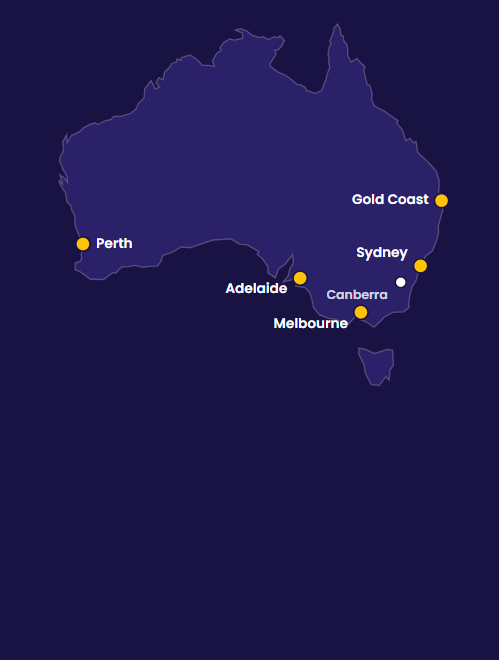
Enliven Housing provides NDIS SDA housing for autistic adults across NSW, QLD, VIC, SA, ACT and WA.
A suitable home plays a key role in supporting independence, routine and wellbeing for autistic adults. At Enliven Housing, we provide NDIS SDA housing for autistic adults across NSW, QLD, VIC, SA, ACT and WA, with homes designed to help you feel calm, safe and in control of your everyday life. Our team helps match every individual with the home that best suits their lifestyle and support needs.
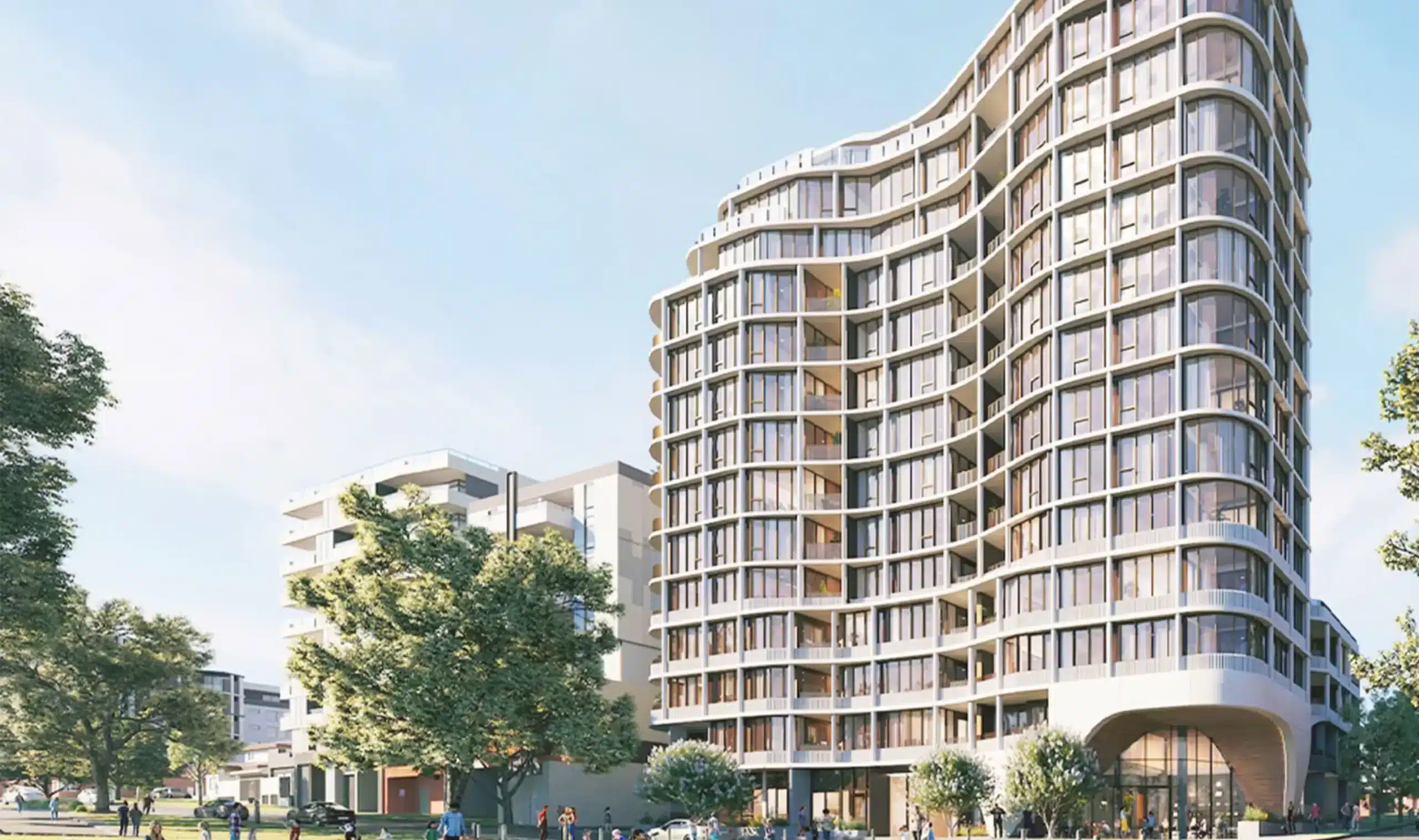
21-23 Irving Ave, Box Hill
Irving Domain places 10 two-bedroom SDA apartments within a 13-level residential building in the heart of Box Hill, overlooking Box […]
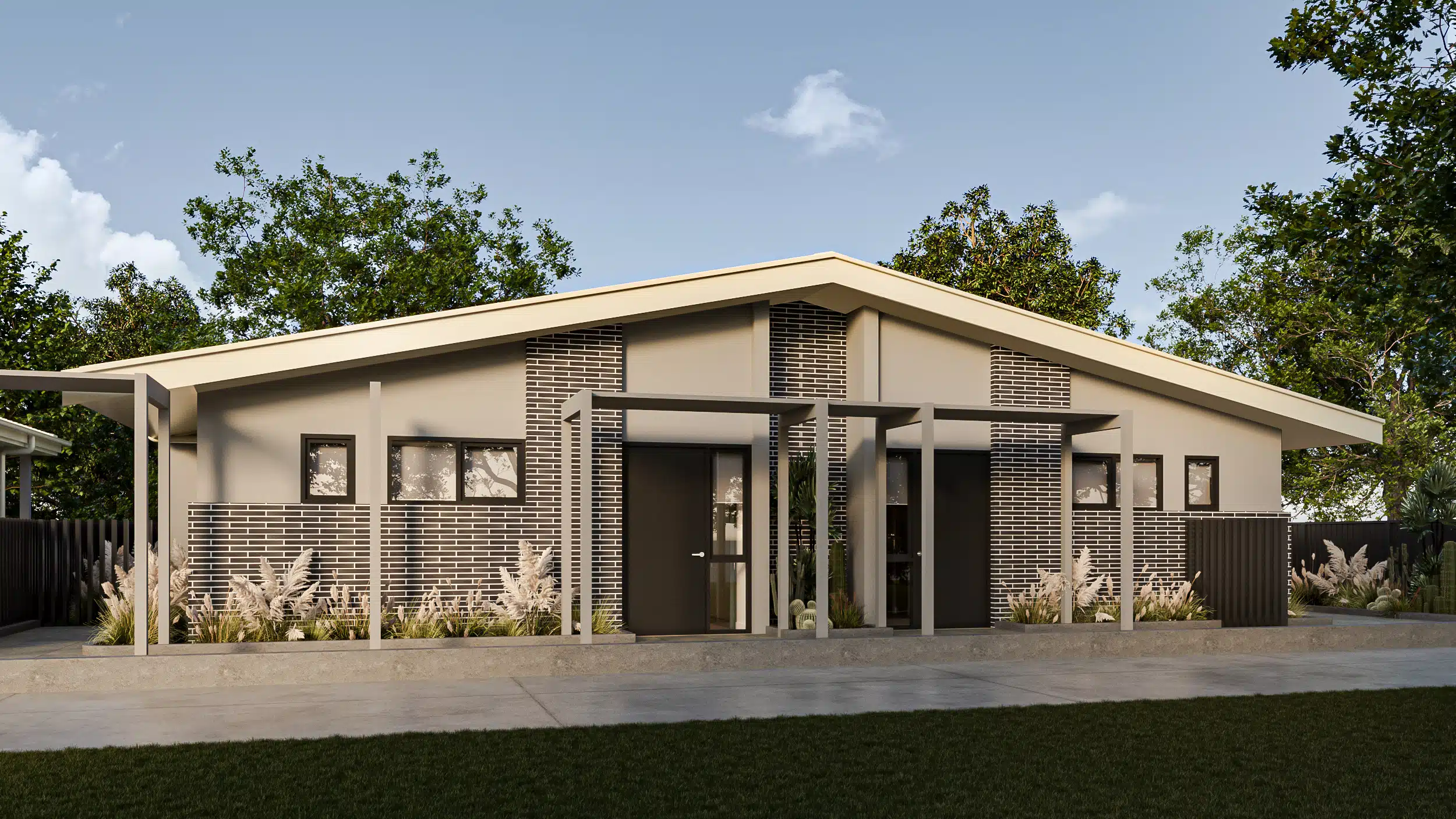
7 Maple Tree Rd, Westmead
Highline is a collection of 10 single-level, one-bedroom SDA apartments at 7 Maple Tree, Westmead, in Sydney’s west. Designed from […]
7 Wunderlich Rd, Subiaco
Orchard Terrace is a new SDA apartment development in the inner-city township of Subiaco, by Vestor Developments and Blaq Projects. […]
Finding the right home can make a huge difference to wellbeing, routine and independence. Enliven Housing offers Specialist Disability Accommodation (SDA) in a range of property types designed to support autistic adults with higher support needs – including calm environments, thoughtful layouts and Assistive Technology to make everyday living easier and safer.
Improved Liveability (IL) caters to participants with sensory, intellectual or cognitive impairments. It offers subtle design features that can significantly enhance the liveability of those who may need that extra bit of support in their home. Some of these features include contrasting walls and doors, improved wayfinding with limited corridors, task lighting and visual assistance lines. The main outcome of Improved Liveability housing is to assist you to navigate around and promote overall safety and comfort.
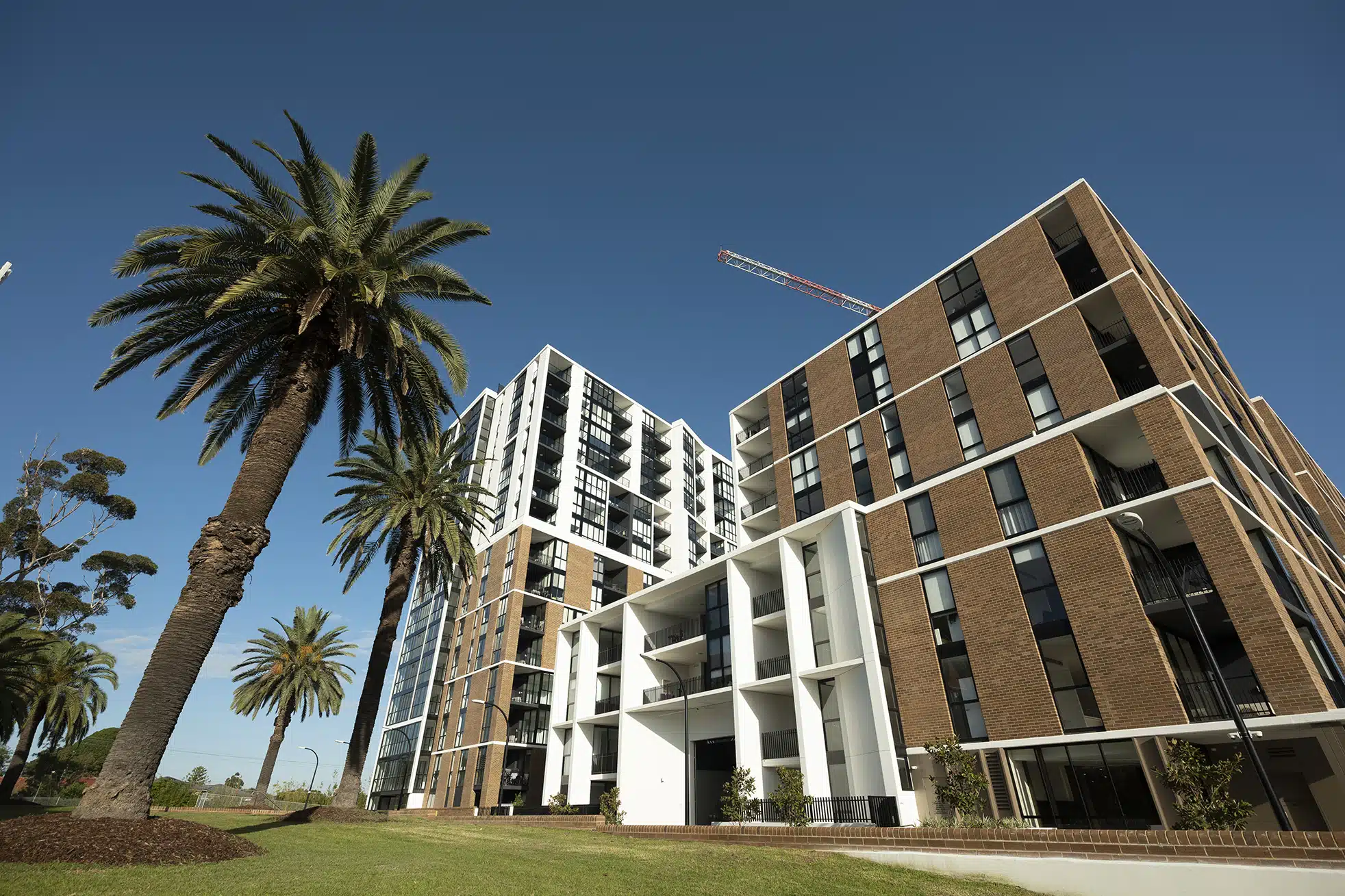
The Fully Accessible (FA) design category caters to individuals with high physical impairment. The main focus of this design is to support mobility so you can move around your home with ease. The main features of FA SDA include wider doorways and corridors, flat flooring and open-plan layouts.
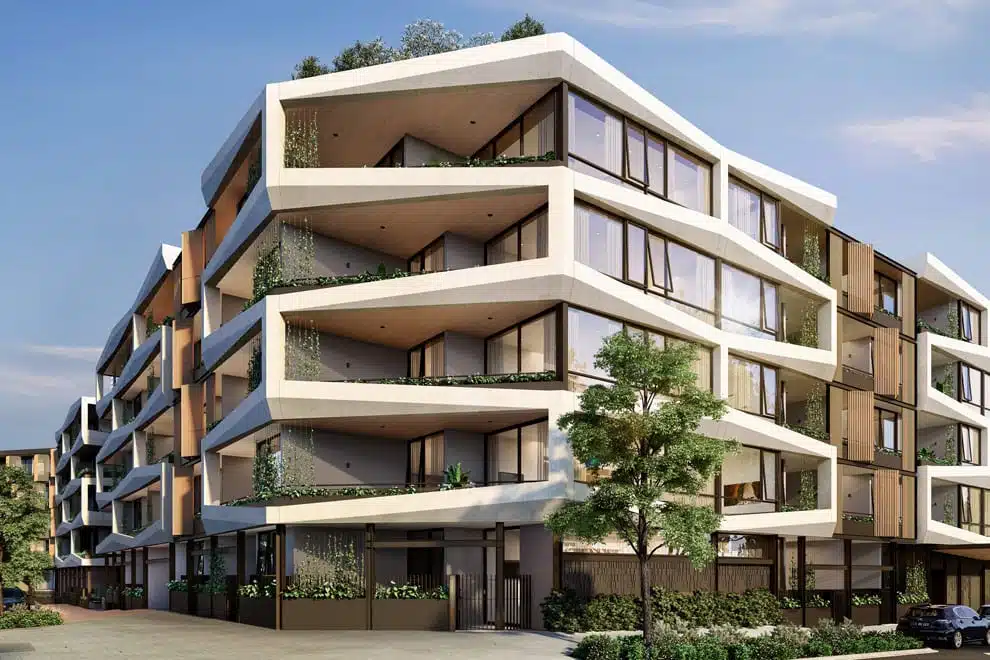
The High Physical Support (HPS) design category caters to individuals with high physical impairment and require a lot of support with daily activities. Similar to the FA design category, this category features open-plan layouts, step-free accessways and wide corridors. Additionally, other provisions such as ceiling hosts and even wider door openings are required to enhance accessibility, movement and comfort for you.
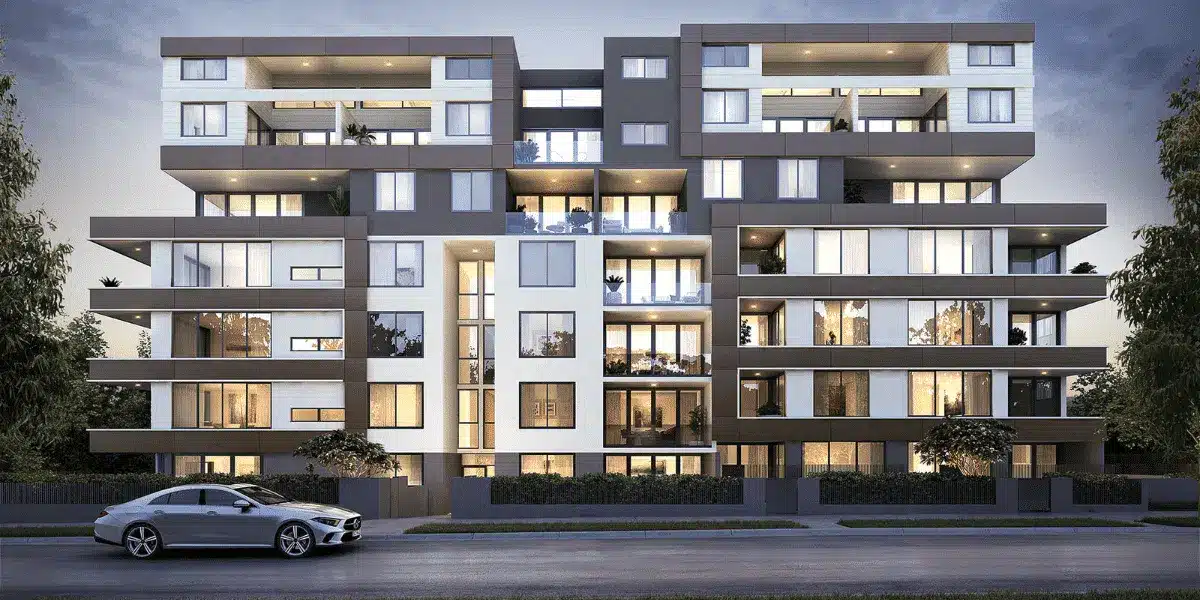
The Robust SDA design category caters to individuals with disability such as autism, mental health conditions and other psycho-social disorders. Homes under the Robust category are built with durable and strong materials that prevent injury, neighbourhood disturbances and the need for frequent maintenance.
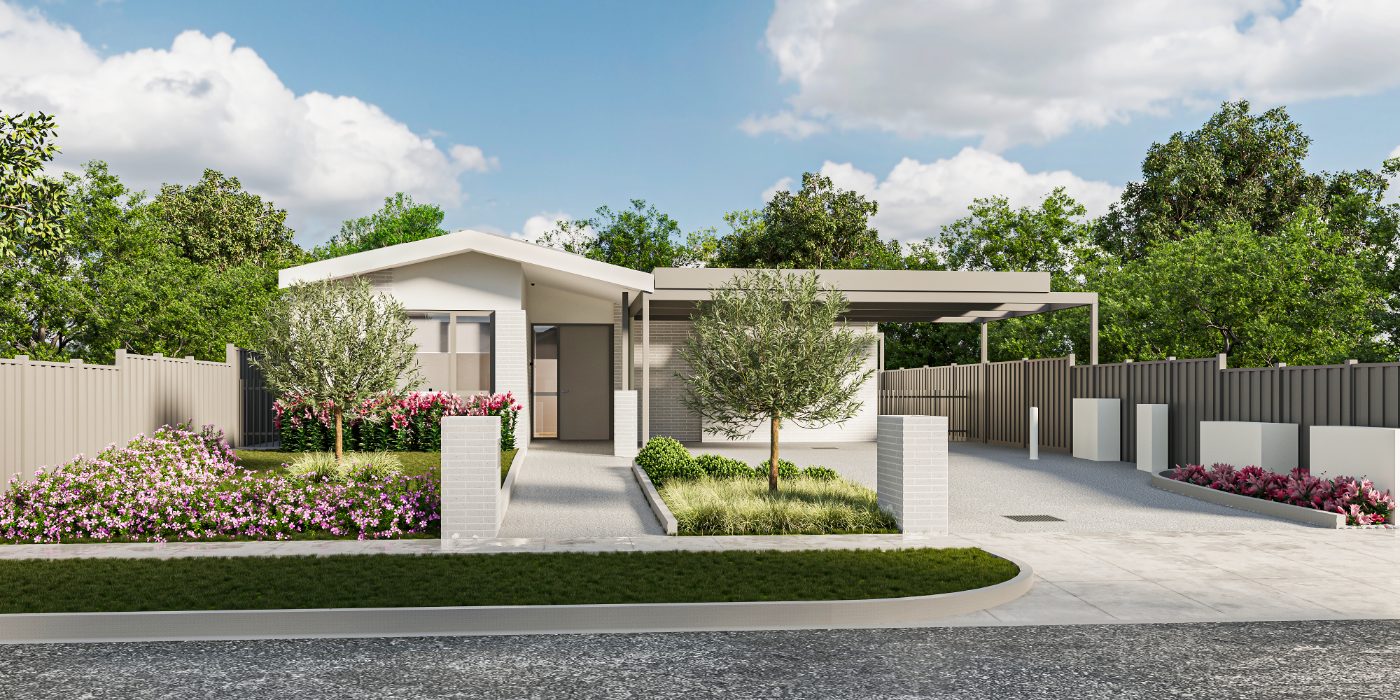
Robust SDA homes may include reinforced materials, low-stimulation layouts and features that reduce environmental stress.
Our eligibility calculator gives you an answer in under 60 seconds, with no paperwork.
Our Home and Living team can help you assemble evidence and understand what to expect at each step.
Finding the right home is an important step, and you don’t have to do it alone. Enliven Housing is here to help you explore your options, understand your NDIS pathway and find a home that truly supports your independence, comfort and wellbeing.
If you’re ready to take the next step, our team is here to guide you – from understanding funding to finding the right autism-friendly home close to you. Reach out today and let’s find the place where you can live your best independent life.
There is no single “best” housing option for autistic adults. The right choice depends on your individual support needs, how you like to live and the NDIS funding you are approved for.
That said, many autistic adults are assessed as eligible for Robust SDA. This is one of four SDA design categories. Robust SDA homes may include reinforced materials, low-stimulation layouts and features that reduce environmental stress. This design category is often well suited to autistic people who benefit from calm, durable environments and design features that support safety, emotional regulation and predictable routines.
Other autistic adults may be better suited to Improved Liveability, Fully Accessible or High Physical Support housing, depending on their goals and daily support needs.
Autism group homes can provide a range of supports, depending on your needs and NDIS plan. The SDA home itself includes design features that support comfort, safety and independence. For example, in Robust SDA homes, this can include durable materials, low-stimulation layouts and a dedicated breakout room – a separate space where you can step away, regulate or decompress when you need to.
At Enliven, many of our SDA shared living homes also include space for a Shared Onsite Support Provider (SOSP). This allows you to access in-home support for daily living tasks such as cooking, cleaning and personal care, as well as support with routines, emotional regulation and social interaction. Supports are flexible and tailored to you, so they fit around how you live rather than controlling it. This support falls under Supported Independent Living (SIL) which is separate to SDA funding.
Finding autism-friendly housing usually starts with understanding your NDIS plan and eligibility. You can search for registered SDA providers, speak with your Support Coordinator, or contact housing providers directly to ask about vacancies and locations.
At Enliven, we offer SDA housing across Australia and can help you explore options that suit your needs, preferences and location.
Supported Independent Living (SIL) refers to the daily support services you receive in your home, such as help with personal care, meals and household tasks. Specialist Disability Accommodation (SDA) refers to the physical home itself — housing designed to support people with higher or more complex needs.
For some autistic people who may experience challenging behaviours, SDA can include Robust design features, such as reinforced walls and durable fittings, to improve safety and reduce maintenance. These features are not typically covered by standard housing or SIL funding alone.
Learn more about the difference between SIL and SDA.
Yes – many autistic adults live independently, especially when they have the right supports in place. Independence looks different for everyone, and support needs can change over time.
At Enliven, we offer SDA homes that support independence while still providing access to assistance when needed. This might include living alone or sharing with others, with flexible supports designed to build confidence, routine and long-term stability.
Yes. The National Disability Insurance Scheme (NDIS) can provide SDA funding for eligible participants, including both shared and single-occupancy homes.
Eligibility depends on your individual needs and circumstances. If you’re unsure whether you qualify, you can use our SDA eligibility calculator or speak with your Support Coordinator to explore your options.
We’re excited to introduce the new Enliven Housing Support Coordinator Hub – a dedicated online space designed to make navigating Specialist Disability Accommodation (SDA) easier for Support Coordinators. We work with Support Coordinators every day, and we know how important…
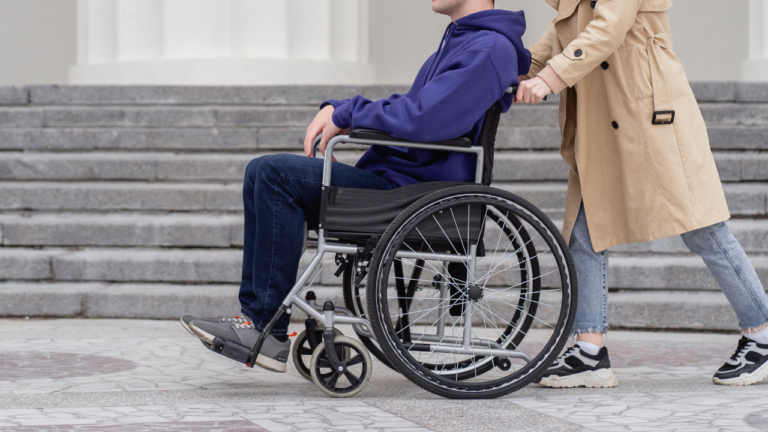
One of the great things about shared living is that everyone's support can be tailored to their individual needs. That means even if you and your housemate live in the same home, your NDIS plans may look quite different.You might…
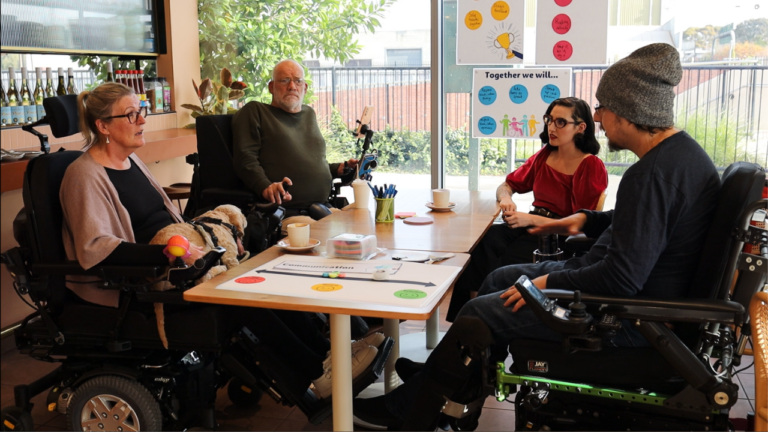
If you're exploring shared living, you've probably come across terms like SDA, SIL and ILO. Understanding what each one means can feel confusing at first, especially when they're often explained separately.Shared living is a living arrangement where you share a…
If you have been searching for a disability group home, you have probably noticed the term pops up everywhere, often meaning slightly different things. You may also have come across "shared living" and wondered whether it is just another word…

For a lot of people, this is the question that matters most about shared living. Not the funding, not the building, but the people. Who will I actually live with? What if we don’t get along? And can I choose…
"*" indicates required fields
Western Australia
South Australia
Australian Capital Territory
Western Australia
South Australia
Australian Capital Territory
"*" indicates required fields