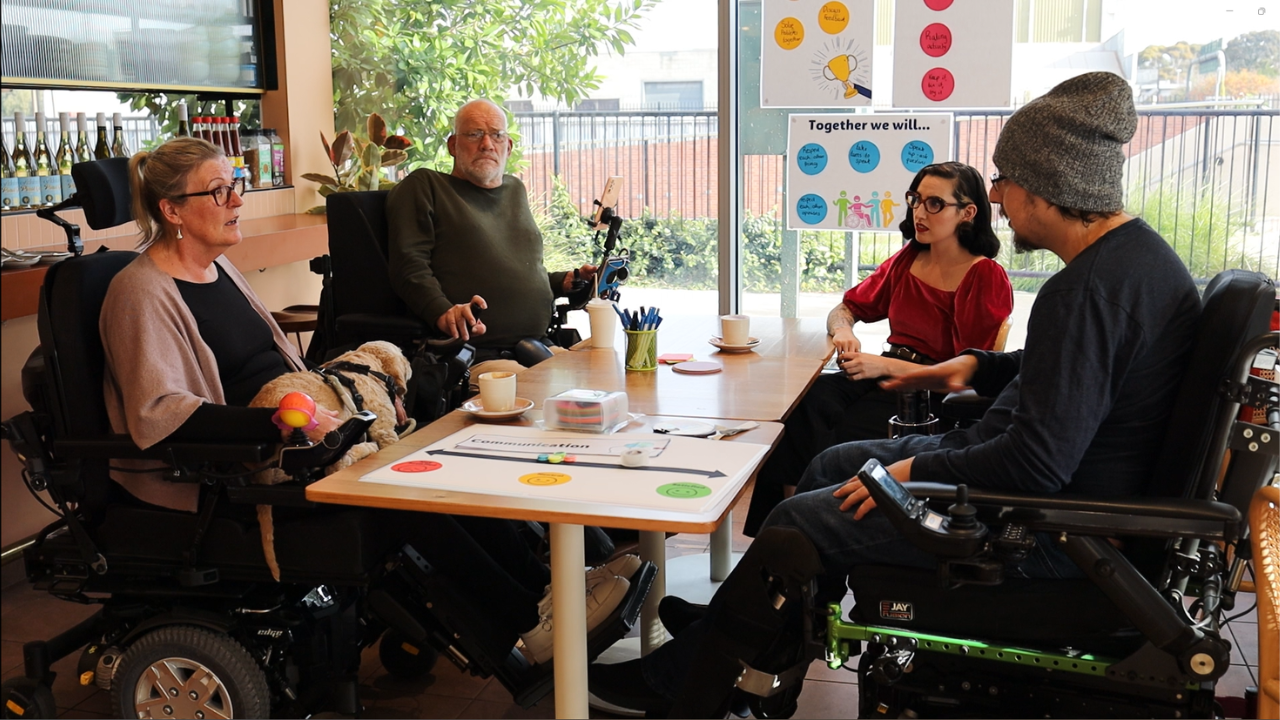
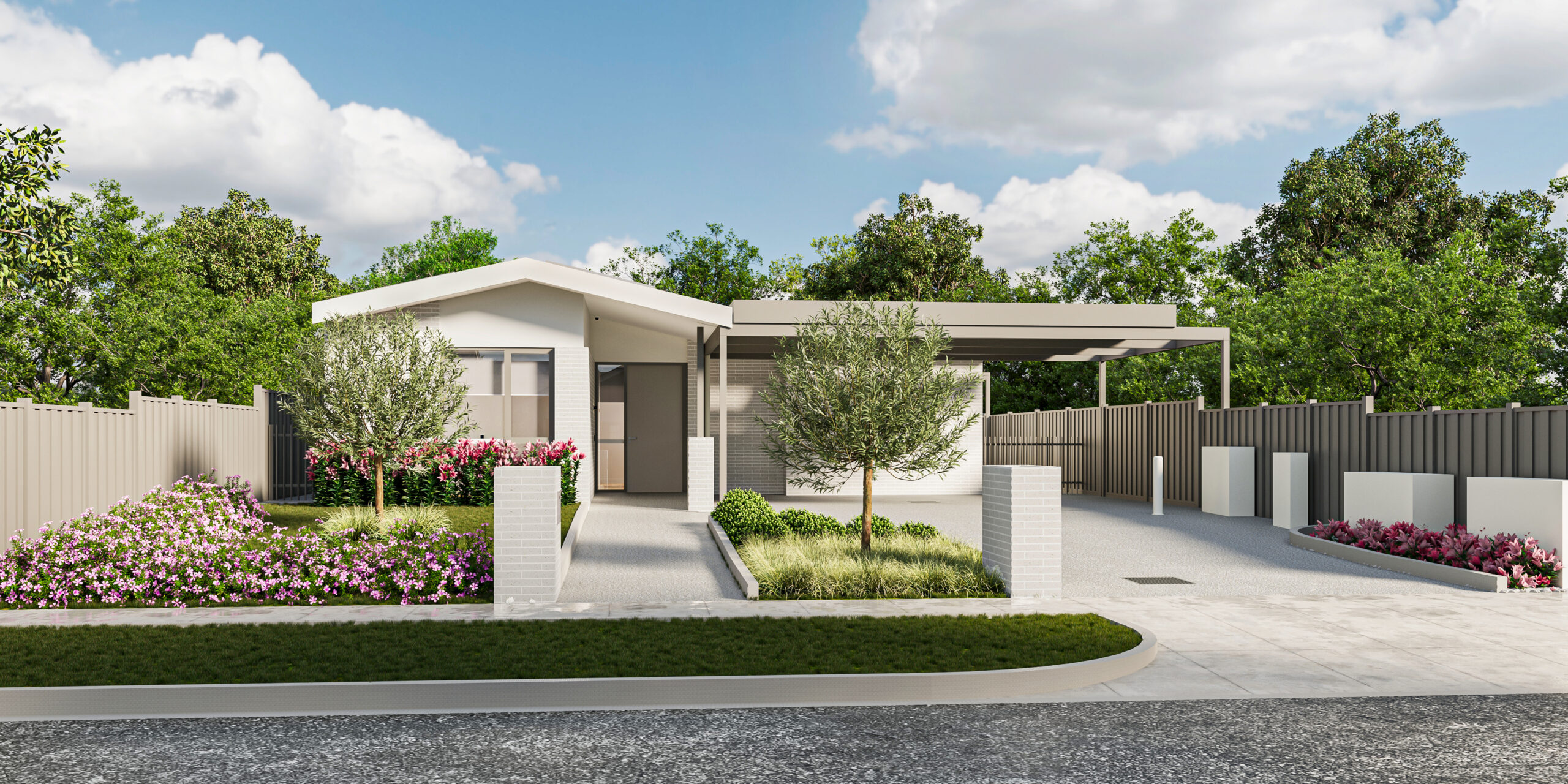
It’s completely normal for housemates to have different National Disability Insurance Scheme (NDIS) plans, because your funding is based on your own support needs.
Specialist Disability Accommodation (SDA) funding covers the home and is paid directly to your housing provider. Supported Independent Living (SIL) or Individualised Living Options (ILO) funding covers the support you receive inside it.
Your Reasonable Rent Contribution is capped and based on your income. As of March 2026, the maximum for a single participant is around $516 per fortnight.
SIL funding is worked out individually through a roster of care, based mainly on your support ratio, overnight support and the hours you need.
Finding the right housemate matters more than matching funding ratios.
If you believe your funding doesn’t reflect your needs, you can request a review of the NDIS decision.
Understanding how funding works in a shared home helps you make sense of your own plan. If you live in a shared home, or you’re about to, you may notice that your NDIS plan looks quite different from your housemate’s, even though you live in the same kind of home. Your funding might be higher or lower, and your support hours might not match.
This is one of the most common questions people have about shared living. In almost all cases, different plans under one roof are completely normal, and this guide explains why.
We’ll walk through how funding works in a shared home, why two people’s plans can look different, and why finding the right housemate matters more than matching funding.
A quick recap: two funding streams, two jobs
Two separate types of NDIS funding usually work together in a shared home, one for the home and one for your support.
SDABricks and mortar
Specialist Disability Accommodation
●Funds the physical dwelling and its maintenance
●Paid directly to your housing provider
●Tied to a design category and an enrolled property
SILPeople and support
Supported Independent Living
●Funds paid personal support and daily living help
●Covers tasks like household chores and personal care
●Delivered by your support provider, not your landlord
SDA funding covers the home itself, and SIL or ILO funding covers the support you receive inside it. The two are assessed separately. Our guide to how shared living and supports work together explains how the home and the support fit together. This article focuses on how the funding is worked out, and why yours may not match your housemate’s.
Shared Living and Supports: How They Work Together
How the home and the support fit together in a shared living arrangement.
Your SDA funding goes straight to your housing provider, so you don’t need to manage it yourself.
If you have SDA funding in your plan, the NDIS pays it directly to your housing provider. It covers the cost of the specialist home, the accessible design and the building.
What you pay is separate and much smaller. It’s called a Reasonable Rent Contribution, and it’s a capped amount set by the National Disability Insurance Agency (NDIA) and updated twice a year, in March and September. It’s calculated as a percentage of the Disability Support Pension plus Commonwealth Rent Assistance, so it stays affordable however much the home cost to build. As of March 2026, the maximum for a single participant is around $516 per fortnight.
Your reasonable rent contribution
Set by the NDIA, as of March 2026
~$516
maximum per fortnight for a single participant
2×
updated twice a year, in March and September
DSP + CRA
calculated as a percentage of the Disability Support Pension (DSP) plus Commonwealth Rent Assistance (CRA)
On top of your rent contribution, you pay your share of everyday household costs like electricity, water and food, as you would in any home. Your rent contribution is capped the same way whichever design category you live in, so a High Physical Support home with a ceiling hoist and backup power is capped at the same rate as a simpler one.
Your rent contribution is based on your income, so you and your housemate may pay different amounts if your incomes or entitlements differ. This is completely normal.
How your SIL funding works, and why it varies
Your SIL funding is worked out around your own support needs, which is where most of the difference between housemates comes from.
SIL funding pays for the support workers who help you day to day. Each person’s SIL funding is worked out individually, based on their assessed needs, through a document called a roster of care.
A roster of care is a detailed timetable. Your support provider maps out, hour by hour across a typical week, what support you need, when you need it and how many workers are involved. That roster is costed against the NDIS price limits and becomes your SIL budget. Because it’s built around your needs, each roster is different.
Three things have the biggest influence on the size of a SIL budget.
1:1 · 1:2 · 1:3
How many people share one worker
Your support ratio
This is how many people share one support worker at a given time.
Common ratios
●A 1:1 ratio means one worker supports you alone.
●A 1:2 ratio means one worker is shared between you and one housemate.
●A 1:3 ratio means one worker is shared across three people.
The more support is shared, the lower the cost to each person for that period. Your ratio can also change across the day, with higher support during busy morning routines and lower support in quieter periods.
Active · Sleepover
Two forms of overnight support
Your overnight support
Overnight arrangements come in two forms.
●An active overnight means the worker stays awake and available all night, which costs more.
●A sleepover means the worker sleeps on site and helps if needed.
Which one you have depends on your needs, and it makes a real difference to your funding.
When, not just how much
Pricing varies by time
Your total hours and the times you need them
Support on weekends, public holidays, and overnight is priced differently to weekday support, so the pattern of when you need help matters, not just how much.
This is why two people in the same house can have very different SIL budgets. One might need active overnight support and 1:1 help in the mornings, while the other might be comfortable with a 1:3 ratio and a sleepover. Their plans differ because their needs differ.
Why different plans under one roof are normal
Your NDIS funding is matched to you as a person. It’s based on your disability, your functional capacity, your goals and your support needs. Two people can live in identical bedrooms, side by side, and have entirely different plans, because they have different needs.
The size of a plan reflects the support that person needs. A larger or smaller plan shows the funding has been matched to the person, which is how the NDIS is designed to work.
If you’re still getting to know how shared living works overall, our complete guide to shared living gives you the full picture.
What happens if your ratio doesn’t match your housemate’s?
Different ratios between housemates can usually be managed. Shared supports work best when people’s needs line up reasonably well, so it’s a fair question to ask.
Where ratios differ between housemates, some support providers are willing to work out an arrangement that suits everyone in the home. It takes some coordination, and it happens often.
It can’t always be guaranteed, because it depends on the providers involved, the specific needs in the home and how the shared supports are structured. It’s worth asking about early in the process.
Why finding the right housemate matters more than funding ratios
Finding the right housemate matters more than matching funding ratios.
The biggest factor in whether a shared home works well is whether the people in it get along, respect each other and want to live together. Compatibility between housemates has a much bigger effect on everyday life than how their funding lines up.
Funding differences can usually be worked through, and a good housemate match helps everyone feel settled from the start. This is why Enliven Housing puts so much weight on compatibility when matching housemates. You can read more about how housemate matching works in our dedicated guide.
Housemate matching
Housemate Matching and Compatibility: Who Will I Live With?
How matching works, what happens if things don’t work out, and living with a partner or friend.
You can request a review if your funding doesn’t reflect what you need.
You can request a review of an NDIS funding decision. Strong, specific evidence from your treating professionals is important at every stage. At Enliven Housing, we also run a Housing Outcomes Program (HOP) to help you appeal if you believe your funding isn’t right. Our guide to shared living eligibility and appeals explains how the process works.
Yes and it’s capped. You pay a Reasonable Rent Contribution, calculated from your pension and rent assistance, plus your share of household costs like utilities and food. Your SDA funding, which covers the home itself, goes directly to your housing provider by the NDIS.
What is a support ratio?
It describes how many people share one support worker at a time. A 1:1 ratio is one worker for you alone. A 1:3 ratio means one worker is shared across three people. Your ratio can vary across the day depending on when you need more or less support.
What if my funding ratio doesn't match my housemates'?
It is often workable. Some support providers will coordinate an arrangement that suits everyone in the home, though this cannot be guaranteed. It is worth raising early so everyone knows where they stand.
Can I get my SIL funding changed if it is not enough?
You can request a review of the decision, backed by current evidence from your treating professionals. Enliven’s Housing Outcomes Program can support you through this if you believe your funding isn’t right.