Homes for MS Patients

Home Housing By Diagnosis Enliven Housing provides NDIS Specialist Disability Accommodation (SDA) for people living with Multiple Sclerosis (MS) across […]


Enliven Housing Enliven Housing
Published 23 Feb 2026 Updated 8 Oct 2026
70+ five-star
reviews on Google
Homes for MS Patients
70+ five-star
reviews on Google
On this page
Home directory
Find an SDA home near you

Browse live vacancies across every state and territory.

Search the directory Check my eligibility →

Quick summary

Enliven Housing provides NDIS Specialist Disability Accommodation (SDA) for people living with Multiple Sclerosis (MS) across NSW, VIC, QLD, SA, the ACT and WA.

  • Homes work on your harder days as well as your good ones, with step-free access, wide doorways and everything within easy reach.
  • Individually adjustable climate control for heat sensitivity, and layouts and smart-home technology that conserve energy.
  • Blended Improved Liveability, Fully Accessible and High Physical Support design, with provisions for Assistive Technology to be added as MS changes.
  • The NDIS does not fund SDA on diagnosis alone. It looks at your functional impairment and support needs.

Finding the right home when you are living with Multiple Sclerosis (MS) can feel overwhelming, especially when your symptoms change from week to week and your needs may grow over time. The right home takes that pressure off. It works on your harder days as well as your good ones, and can adapt as MS changes. Enliven Housing provides thoughtfully designed NDIS Specialist Disability Accommodation (SDA) for people living with MS across New South Wales, Victoria, Queensland, South Australia, the ACT and Western Australia.

MS Housing Options Available

Homes suited to MS, with Assistive Technology and 24/7 onsite overnight assistance. Search all properties.

Homes That Suit How You Want to Live

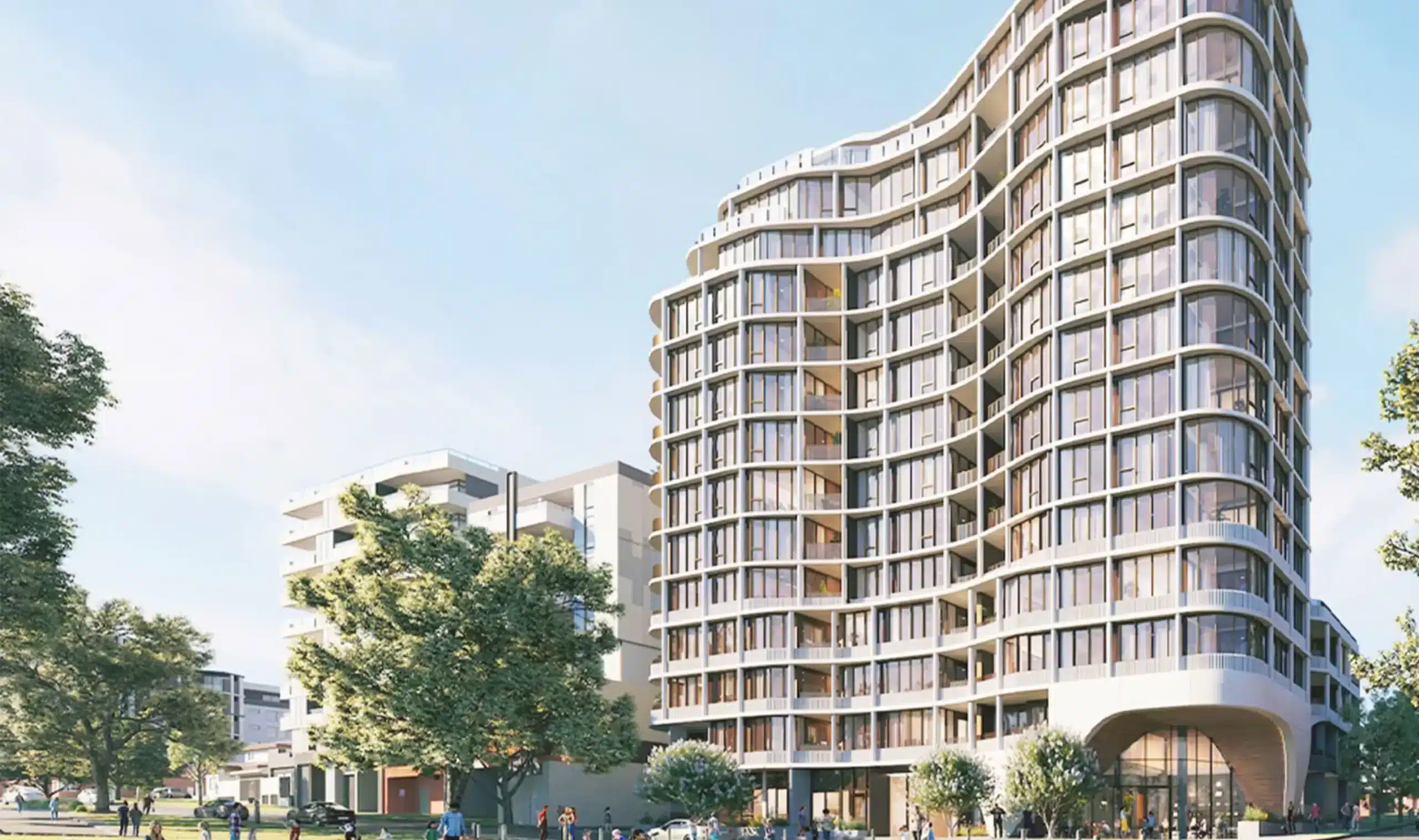
Living with MS often means adapting to changing physical needs, so our homes are designed to promote safety, energy conservation and independence, now and into the future. Choose the setting that suits you. Apartments give you a self-contained home close to transport and health services. Villas offer single-level living with more space and privacy in a quieter setting. Shared living gives you a private space of your own, alongside shared areas, onsite support and company close by. Browse them all in the home directory.

IL Sensory, intellectual or cognitive impairment

Improved Liveability

Improved Liveability (IL) caters to participants with sensory, intellectual or cognitive impairments. It offers subtle design features that can significantly enhance the liveability of those who may need that extra bit of support in their home. Some of these features include contrasting walls and doors, improved wayfinding with limited corridors, task lighting and visual assistance lines. The main outcome of Improved Liveability housing is to assist you to navigate around and promote overall safety and comfort.
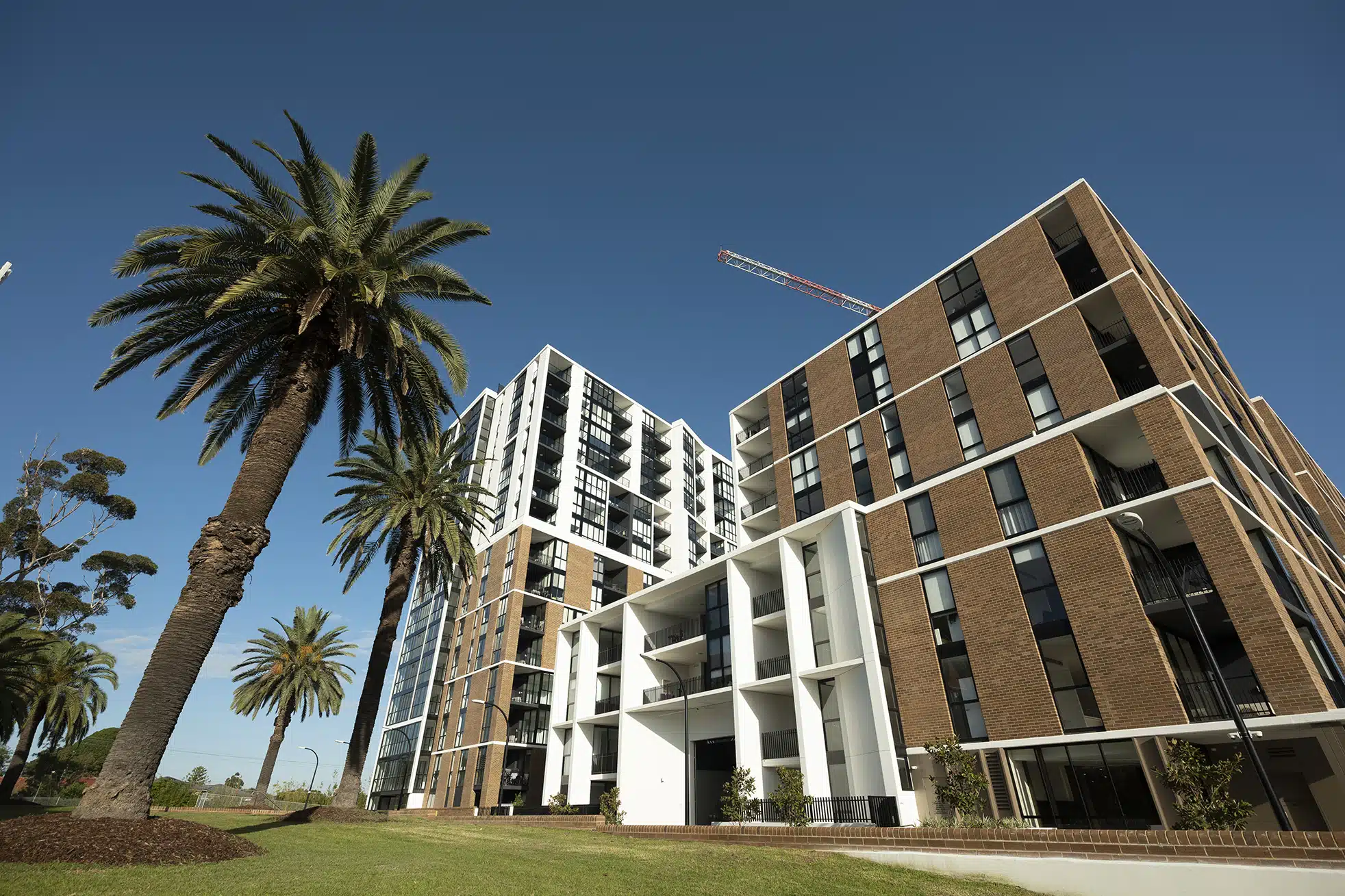
Key design features
● All corridors and passageways must be at least 120cm wide
● Luminous contrast of at least 30% between two surfaces (e.g. door leaf and door frame)
● Solid glazing strips over large areas of glass
● Colour contrast between the floor and wall
Improved Liveability guide →
Improved Liveability
Highline, Westmead
High-contrast joinery · wide sightlines · task-lit kitchen
FA High physical impairment

Fully Accessible

The Fully Accessible (FA) design category caters to individuals with high physical impairment. The main focus of this design is to support mobility so you can move around your home with ease. The main features of FA SDA include wider doorways and corridors, flat flooring and open-plan layouts.
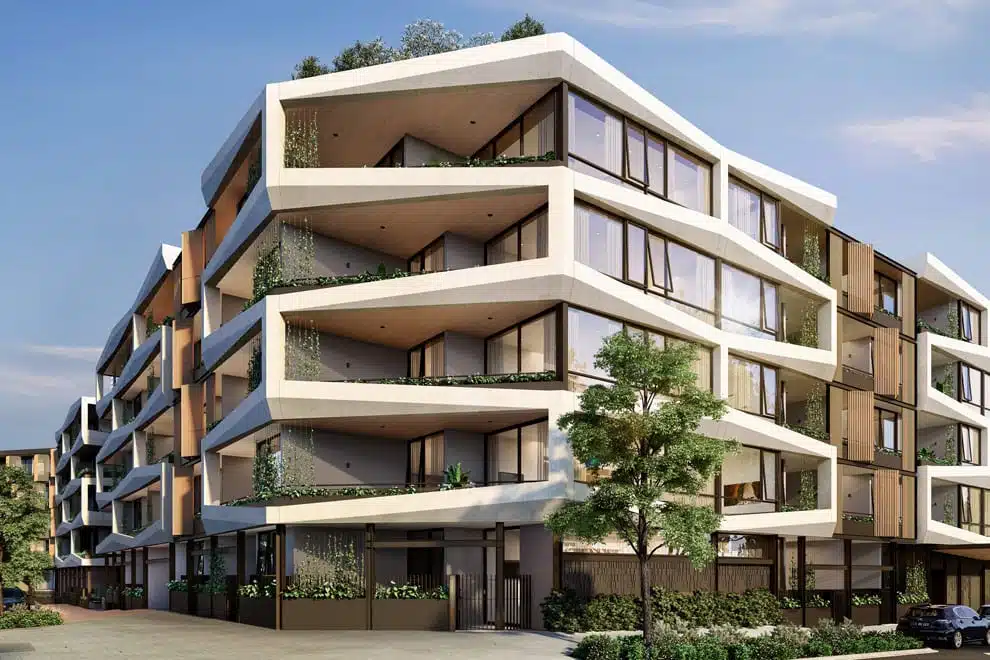
Design requirements exclusive to Fully Accessible include but are not limited to
● Continuous accessible path from dwelling to the letterbox
● Doors to have a minimum opening of 90cm wide
● This category would be most beneficial if you use a wheelchair, assisted devices or have limited mobility.
Fully Accessible guide →
Fully Accessible
Orchard Terrace, Subiaco
Step-free entry · 90cm doorways · roll-under benches
HPS High physical impairment requiring a lot of support with daily activities

High Physical Support

The High Physical Support (HPS) design category caters to individuals with high physical impairment and require a lot of support with daily activities. Similar to the FA design category, this category features open-plan layouts, step-free accessways and wide corridors. Additionally, other provisions such as ceiling hosts and even wider door openings are required to enhance accessibility, movement and comfort for you.
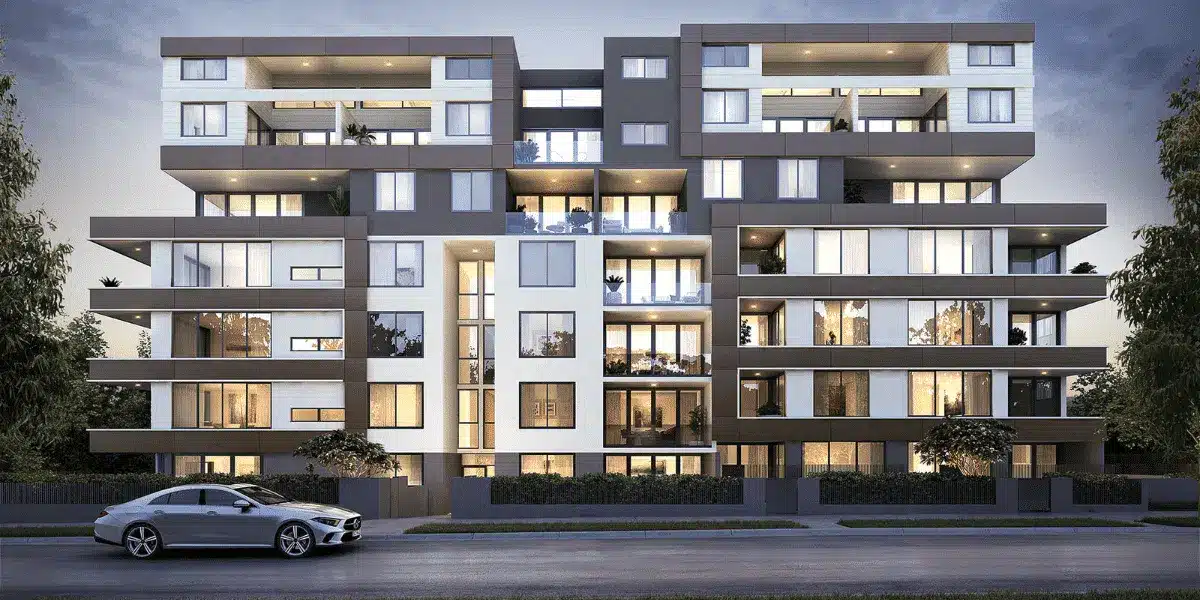
Housing requirements for HPS include, but are not limited to
● All doors that are to be used by the participant have to have an opening of at least 95cm
● Power and control cabling must be installed above the main bedroom doorway along with one external doorway that leads to an open area for future automation
● Power and control cabling must be installed above windows for blind automation
● Each participant bedroom must be equipped to install and power a hoist
● Emergency power generators must be provided
● Communication technology such as video or intercom must be provided
High Physical Support guide →
High Physical Support
The Evoke, Blacktown
Ceiling hoist provision · emergency power · intercom
Robust Autism, mental health conditions and other psycho-social disorders

Robust

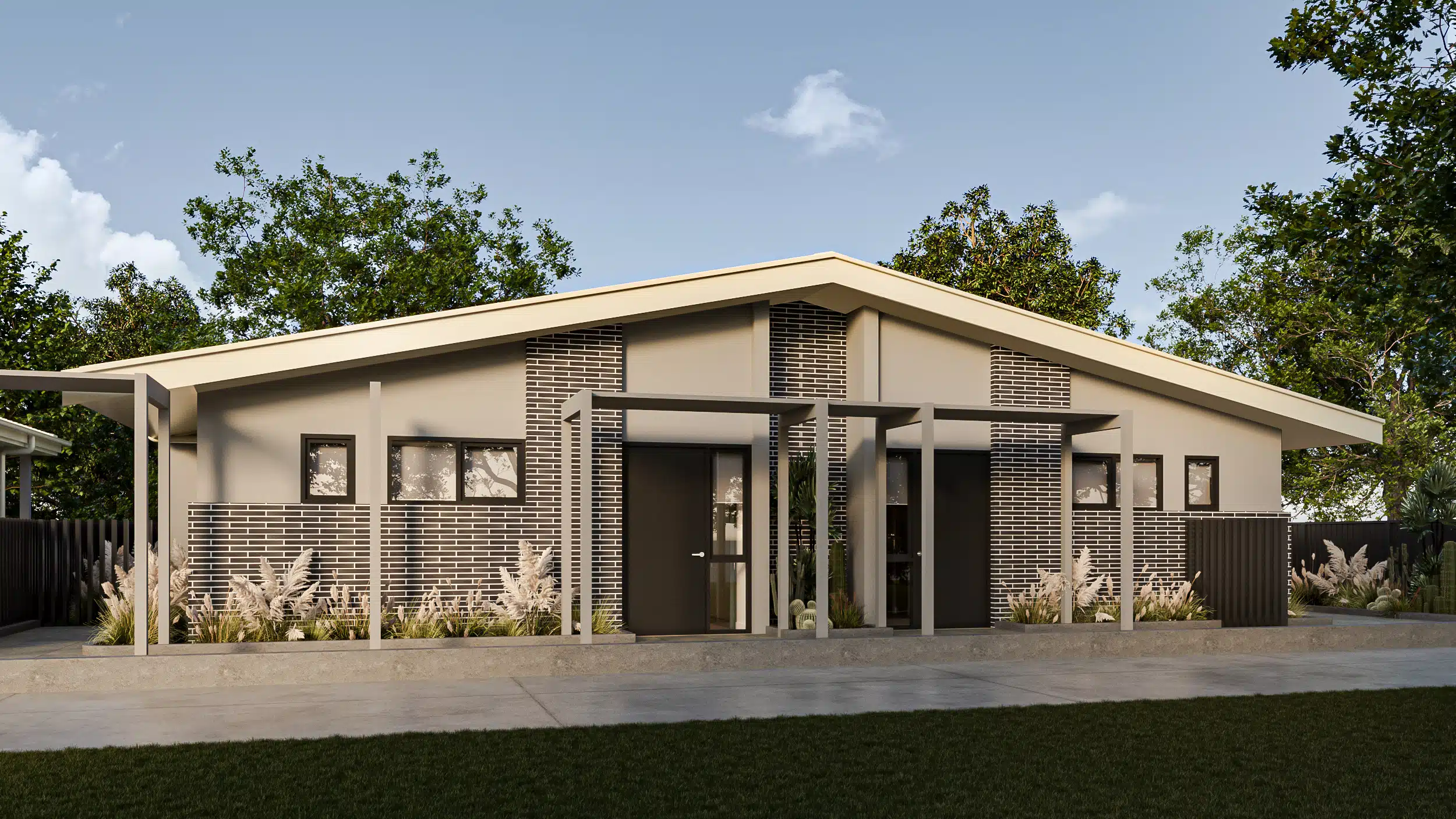
The Robust SDA design category caters to individuals with disability such as autism, mental health conditions and other psycho-social disorders. Homes under the Robust category are built with durable and strong materials that prevent injury, neighbourhood disturbances and the need for frequent maintenance.
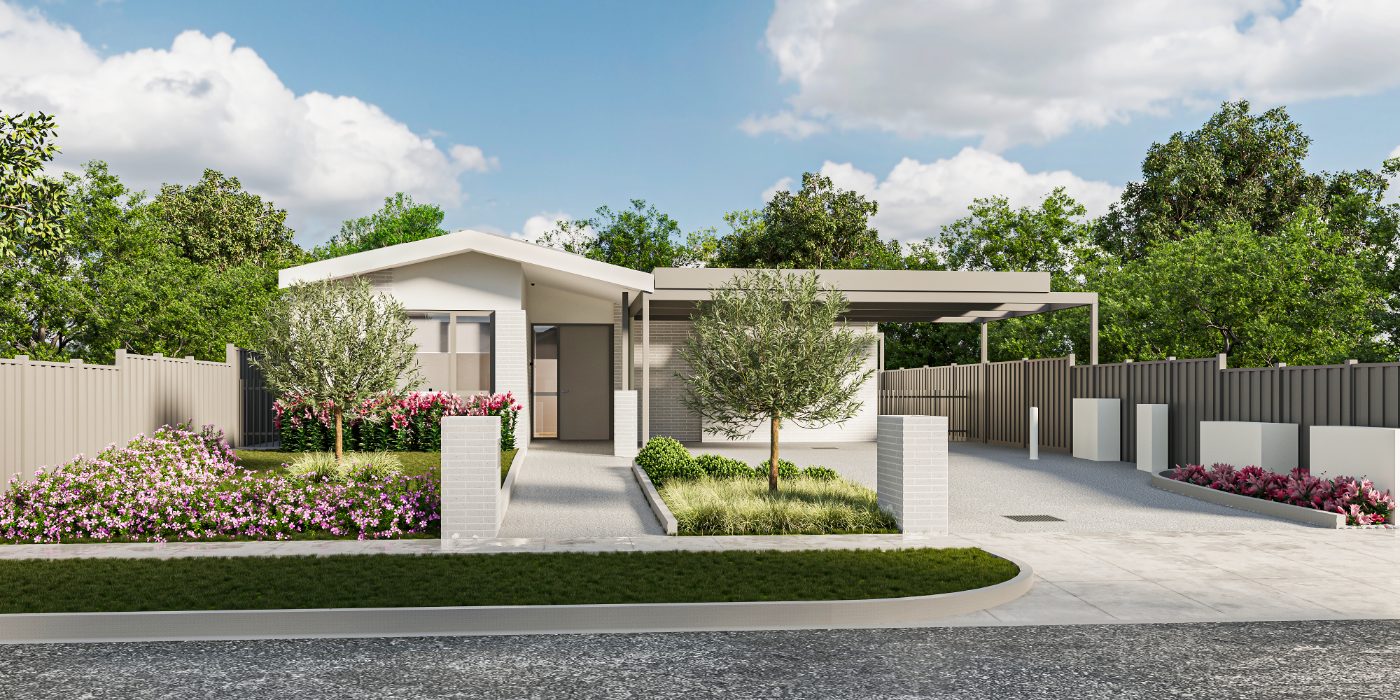
Design features unique to Robust include
● Kitchen benchtop and cabinetry shall be made of robust materials
● Any timber doors must be solid
● Any breakout rooms must be solely designed to cater for the individual disability-related needs
● The main bedroom must be sound-insulated
● All fittings and fixtures e.g. door handles must be strong and durable
● Windows must be made of shatter-free material such as laminated glass or polycarbonate
Compare all categories →
Robust
Shared living home
Robust materials · sound insulation · shatter-free glazing

How Our Homes Can Support People Living With MS

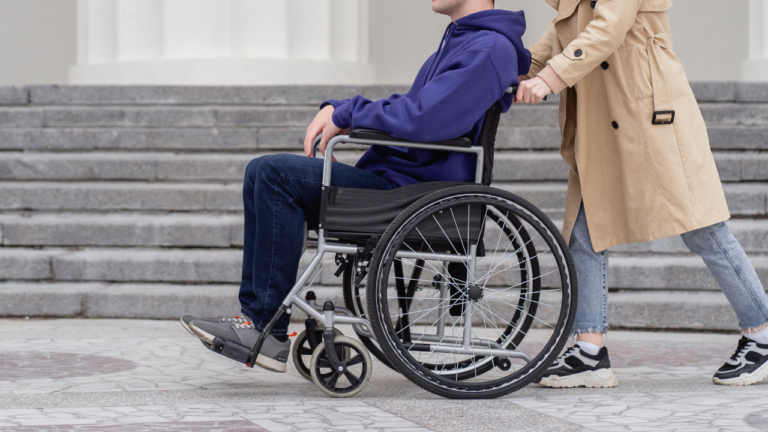
Living with MS can mean your needs change over time. Our homes are designed to support greater independence and flexibility, with features that can adapt as your mobility and support needs change.
A home that works on your worst days
✓ Step-free access throughout the home
✓ Wide doorways for a wheelchair or walker
✓ Accessible bathrooms and kitchens
✓ Height-adjustable fixtures and fittings
✓ Layouts that keep everything within easy reach
Climate control and fatigue
✓ Individually adjustable climate control, as heat is a common MS trigger
✓ Single-level or lift-accessed living
✓ Short, simple paths between rooms
✓ Energy-efficient design to reduce daily strain
Technology and safety
✓ Voice or app control for lighting, blinds, doors and temperature
✓ Emergency response systems
✓ Slip-resistant flooring and safe circulation spaces
✓ Assistive Technology across our homes
A home that adapts as MS changes
✓ Blended Improved Liveability, Fully Accessible and High Physical Support design
✓ Provisions for Assistive Technology to be added over time, from wider access to ceiling hoists
✓ No need to move homes at the hardest time
✓ Close to medical services, allied health, shops and transport
Design category
Many people with MS suit Fully Accessible or High Physical Support SDA

Because MS can change over time, these categories support higher physical needs and specialised equipment as your needs grow.

Design categories guide

Support That Keeps Pace With Your MS

Because we provide the home and not the support, you are free to choose a provider who really understands MS, and change it without moving home. An Onsite Support Hub means help is close by when a relapse or a rough patch hits. Your daily support, such as personal care and help around the home, is funded separately through Supported Independent Living (SIL) and delivered by a separate provider.

We’re happy to recommend SIL providers, and through our Choice Collective you and your housemates shape how any shared support works. We’re 100% pet friendly and do not outsource. For how the home and the support fit together, see our SIL vs SDA guide.

Are You Eligible for SDA With MS?

✓ To access SDA you must be an NDIS participant, and SDA has its own criteria on top of that.
✓ The NDIS does not fund SDA on a diagnosis alone. It looks at your functional impairment and support needs, because MS affects everyone differently.
✓ You may be eligible if your MS causes extreme functional impairment or very high support needs, and specialist housing is the best way to support you compared with other supports alone.
✓ Eligibility is assessed individually, taking into account how MS affects your daily living, mobility and safety, and your NDIS goals for independence and supported living. We'll help you understand where you stand.
Eligibility check
Not sure whether you qualify for SDA?

Our eligibility calculator gives you an answer in under 60 seconds, with no paperwork.

Learn more

How to Get Housing for Adults with MS Through the NDIS

1
Prepare your NDIS plan

Make sure your plan reflects your current and future housing needs.

2
Identify the supports you need

Work out the mix of SDA and daily support (SIL or ILO) that suits you.

 
3
Work with your support coordinator

They help gather evidence and guide you through the process.

 
4
Tour Enliven homes

Visit in person and picture daily life there, now and into the future.

 
5
Move in and begin supports

Settle into a home designed to support your independence.

 
Ready to start the application?

Our Home and Living team can help you assemble evidence and understand what to expect at each step.

How to apply guide

Ready to Find the Right Home for You or Your Loved One?

Finding the right home when living with MS is a big decision and you don’t have to make it alone. Enliven Housing is here to help you explore your options, understand your NDIS pathway and find a home where you can live comfortably, safely and with confidence.

We have homes across Australia, and our team can help you find one nearby, now and as your needs change. Explore homes in Sydney, Melbourne, Brisbane, Adelaide, Perth and Canberra, or see what is available now on SDA vacancies.

FAQ

Adults living with MS may benefit from Fully Accessible or High Physical Support SDA, depending on their individual needs. SDA funding and design categories aren’t based on a diagnosis alone, so there isn’t one housing option that’s right for everyone with MS. The most suitable category will depend on your functional capacity, mobility and day-to-day support needs.

Our homes include individually adjustable climate control, which matters because heat is a common MS trigger, along with energy-saving design: single-level or lift access, short paths between rooms, controls for lights, blinds and doors, so you use less energy day to day.

Yes. Our homes combine Improved Liveability, Fully Accessible and High Physical Support design, with provisions for future assistive technology, so features can be added as your needs change without you needing to move.

Yes, for eligible participants. SDA funding covers both shared and single-occupancy homes. Eligibility depends on how MS affects your functional needs. If you are unsure, use our eligibility calculator or speak with your Support Coordinator.

We specialise in the home itself (SDA), not personal support. Your daily support, such as personal care and help around the home, is funded separately through Supported Independent Living (SIL) and delivered by a provider you choose. We are happy to recommend SIL providers.

Because we provide the home and not the support, you are free to choose a provider who really understands MS, and change it without moving home. An onsite Support Hub means help is close by when a relapse or a rough patch hits, and through our Choice Collective you and your housemates shape how any shared support works.

Learn the difference between Supported Independent Living (SIL) and Specialist Disability Accommodation (SDA).

Start with your NDIS plan and eligibility, then browse homes by city or check current vacancies. Enliven offers SDA across Australia, including Sydney, Melbourne and Brisbane, and can help you find and plan for the right home.

Speak to our team
Speak to our team

Not sure where you sit in the process? A ten-minute call with our team will tell you what to do next.

Related blog posts

All resources →
Enliven Housing Launches New Support Coordinator Hub
News
Enliven Housing Launches New Support Coordinator Hub

We’re excited to introduce the new Enliven Housing Support Coordinator Hub – a dedicated online space designed to make navigating Specialist Disability Accommodation (SDA) easier for Support Coordinators. We work with Support Coordinators every day, and we know how important…
How Funding Works in Shared Living Arrangements
SDA
How Funding Works in Shared Living Arrangements

Quick summary It’s completely normal for housemates to have different National Disability Insurance Scheme (NDIS) plans, because your funding is based on your own support needs. Specialist Disability Accommodation (SDA) funding covers the home and is paid directly to your…
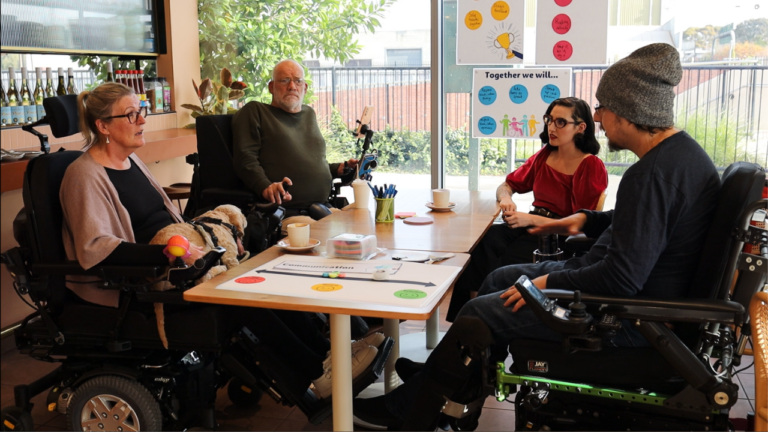
Shared Living and Supports: How They Work Together
SDA
Shared Living and Supports: How They Work Together

Quick summary Shared living describes the setting you live in. Within that setting, Specialist Disability Accommodation (SDA) funds the home, and Supported Independent Living (SIL) or Individualised Living Options (ILO) funds the support you receive there. Your National Disability Insurance…
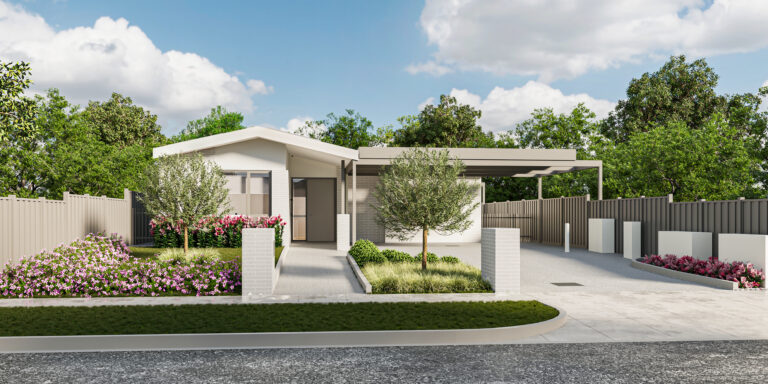
Group Home vs Shared Living: What’s the Difference?
SDA
Group Home vs Shared Living: What’s the Difference?

Quick Summary Group homes and shared living both describe people with disability living together with support. The main difference is how much choice and control you have. In a traditional group home, housing and support are usually bundled with one…

Housemate Matching and Compatibility: Who Will I Live With?
SDA
Housemate Matching and Compatibility: Who Will I Live With?

For a lot of people, this is the question that matters most about shared living. Not the funding, not the building, but the people. Who will I actually live with? What if we don’t get along? And can I choose…

Feedback Form

"*" indicates required fields

Request a Call Back