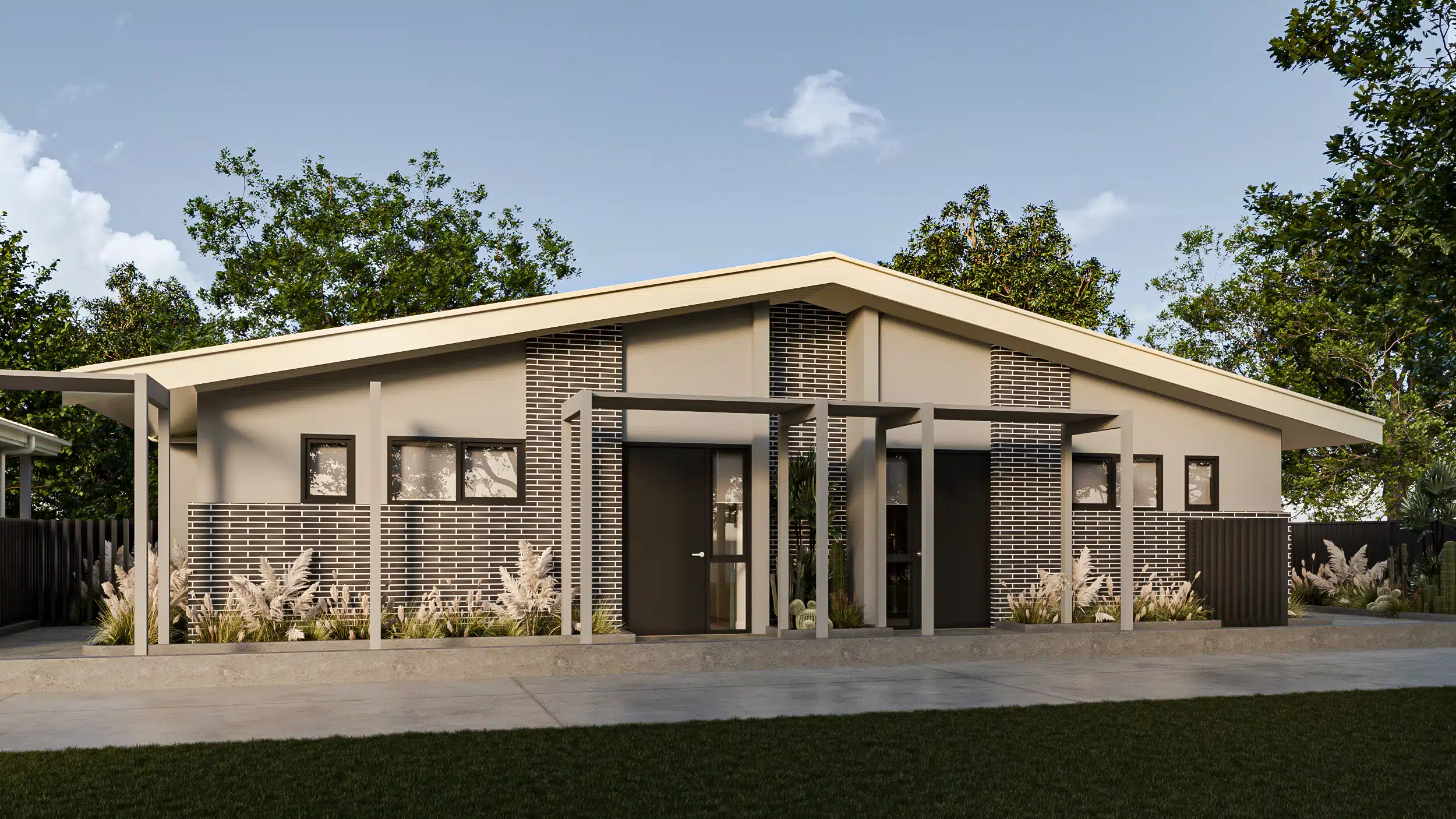
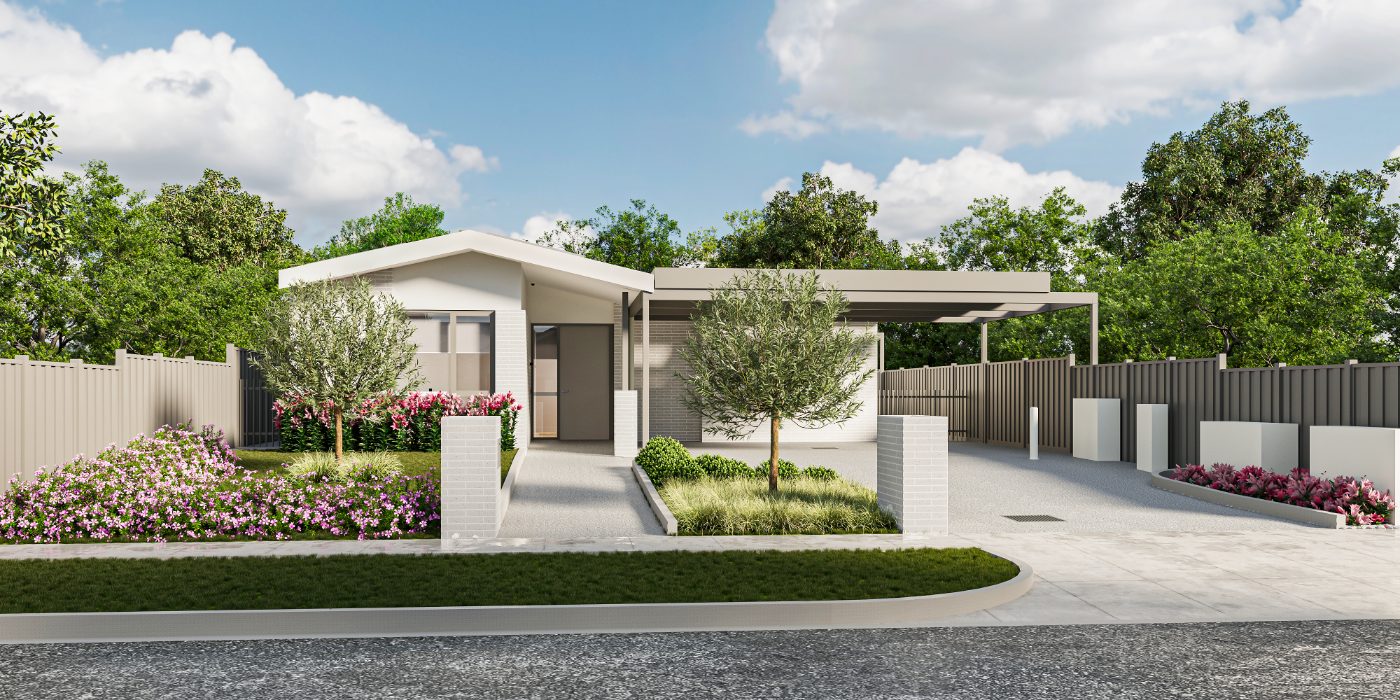
Improved Liveability (IL) is SDA designed for NDIS participants who benefit from simpler layouts, clearer visibility and sensory-friendly environments.
It is one of four design categories in the SDA Design Standard created by the NDIS.
As part of eligibility, the NDIA must agree that mainstream housing, home modifications or other supports cannot meet your needs.
It focuses on supporting people with sensory, intellectual or cognitive impairment.
Typical features include high-contrast walls and doors, simplified wayfinding, task lighting and visual assistance cues.
It provides a reasonable level of physical access while enhancing safety, comfort and everyday independence.
Improved Liveability is one of the most common SDA design categories.
Are you looking into Specialist Disability Accommodation (SDA) options? If so, you’ve come to the right place. In this blog, we’ll focus on what Improved Liveability is, how it compares to the other SDA design categories, and how Enliven’s Improved Liveability apartments can help you live your best life.
What is Improved Liveability in SDA Housing?
Improved Liveability (IL) housing is SDA designed for NDIS participants who benefit from simpler layouts, clearer visibility and sensory-friendly environments. It is one of four design categories outlined in the SDA Design Standard created by the NDIS and focuses on supporting people with sensory, intellectual or cognitive impairment. For the wider picture, start with our guide to SDA housing.
Improved Liveability homes typically include features such as high-contrast walls and doors, simplified wayfinding with minimal corridors, task lighting and visual assistance cues. Together, these elements provide a reasonable level of physical access while enhancing safety, comfort and everyday independence.
Improved Liveability is one of the most common SDA design categories, because it suits a wide range of sensory, intellectual and cognitive needs rather than only very high physical support needs.
How does Improved Liveability differ from other SDA design categories?
There are four SDA design categories: Improved Liveability (IL), Fully Accessible (FA), High Physical Support (HPS) and Robust. Each category is designed to meet different support needs, ensuring SDA housing aligns with your NDIS goals, preferences and daily living requirements. Understanding the differences between these categories can help you choose the option that best fits your needs. Improved Liveability, for example, focuses on sensory-friendly design and ease of navigation, rather than the higher physical access or specialised support features found in Fully Accessible, High Physical Support or Robust SDA.
Improved Liveability SDA is suited to participants who benefit from predictable, calm and easy-to-navigate features, creating an environment that supports their daily living and independence. These features may include high-contrast walls and floors for easier visibility, open living areas that allow support workers to maintain clear sightlines and homes with minimal or no stairs.
Improved Liveability SDA homes include spacious SDA bedrooms, accessible kitchens, bathrooms and laundry areas, all designed to promote safety and comfort. Common features include built-in wardrobes, accessible kitchen fixtures, slip-resistant flooring, easy-to-reach light switches and strong visual contrast to support safe and confident navigation throughout the home.
Comparison with other SDA categories
Design feature by category
Requirement
Improved Liveability (IL)
Fully Accessible (FA)
High Physical Support (HPS)
Robust
Primary focus
Sensory, intellectual or cognitive impairments
Significant physical impairments and wheelchair users
Severe physical impairments requiring high-level support
Safety and durability for those with complex behaviours
Structural provisions for ceiling hoists, wider doors
Soundproofing, retreat areas for staff
Safety features
Clear lines of sight for support workers
Accessible kitchen appliances
Heating/cooling systems, household communication tech
Laminated glass, high-impact wall linings
Having the right SDA design category is important to ensure you get the maximum benefit from your SDA home. This can enhance your overall well-being by helping you live your best life. Having the right category ensures your home isn’t just a place to live, but a space that truly supports your health and quality of life.
Important
Not sure which design category is yours?
To find out more about other design categories, check out our guide on SDA design categories.
What are the features of Improved Liveability SDA?
The Improved Liveability SDA design aims to provide a reasonable level of physical access and additional features to promote safety and comfort. Below are the different types of Improved Liveability design features and how they can help people with sensory, intellectual or cognitive impairments.
Sensory
This is related to how you see, hear and touch.
Sensory
Key design features
●Illuminated light switches, doorbells and fire alarms
●Luminous contrast of at least 30% between two surfaces (e.g. door leaf and door frame)
●Glazing strips to mark large areas of glass to avoid collision
●Reverse-cycle air-conditioning to living areas and bedrooms
This is related to how you speak and listen, read and write, judge and critically think
Intellectual
Key design features
●Reduced lighting and noise
●Step-free access from entry to the building and doorway
●Minimum door entry of 820 millimetres
●Consistent placement of switches and fixtures
●Simplified layouts that reduce confusion
Cognitive
This relates to thinking, remembering and reasoning
Cognitive
Key design features
●Labelling
●Handrails
●Improved wayfinding (signage, colour and other visuals to navigate around)
●Non-slip flooring
●Lift for easy access, where necessary
●Predictable navigation paths
Are you eligible for Improved Liveability SDA Housing?
If you’re an NDIS participant with sensory, intellectual or cognitive impairments, you might be eligible for Improved Liveability SDA Housing.
To qualify, your NDIS plan needs to include SDA funding and you must demonstrate a need for housing with enhanced physical access and features tailored to your specific needs. You’ll need supporting evidence from medical professionals explaining that this housing will support your independent living goals and overall quality of life.
Improved Liveability SDA criteria
To be eligible for SDA Improved Liveability funding, you may require one or more of the following.
You may be eligible if you
✓Are an NDIS participant
✓Have a sensory, intellectual or cognitive impairment
✓Require someone else to help you complete daily tasks, or
✓Need 1 on 1 assistance for a large portion of the day
And with Improved Liveability you would
✓Improve, maintain or prevent your functional capacity from getting worse
✓Lower the need for future support and help from others
✓Create better connections with informal (e.g. friends and family) and formal (e.g. health services, education and employment) support systems
The NDIS may ask for proof in the form of reports from your Allied Health Professional or other documents outlining your daily support and housing needs. This may include a Functional Capacity Assessment or a Home and Living Supporting Evidence Form provided by your Support Coordinator.
Important
Want to know more about your eligibility?
Try our SDA eligibility calculator, or read our guide to SDA funding.
What are the features of Enliven Housing’s Improved Liveability SDA homes?
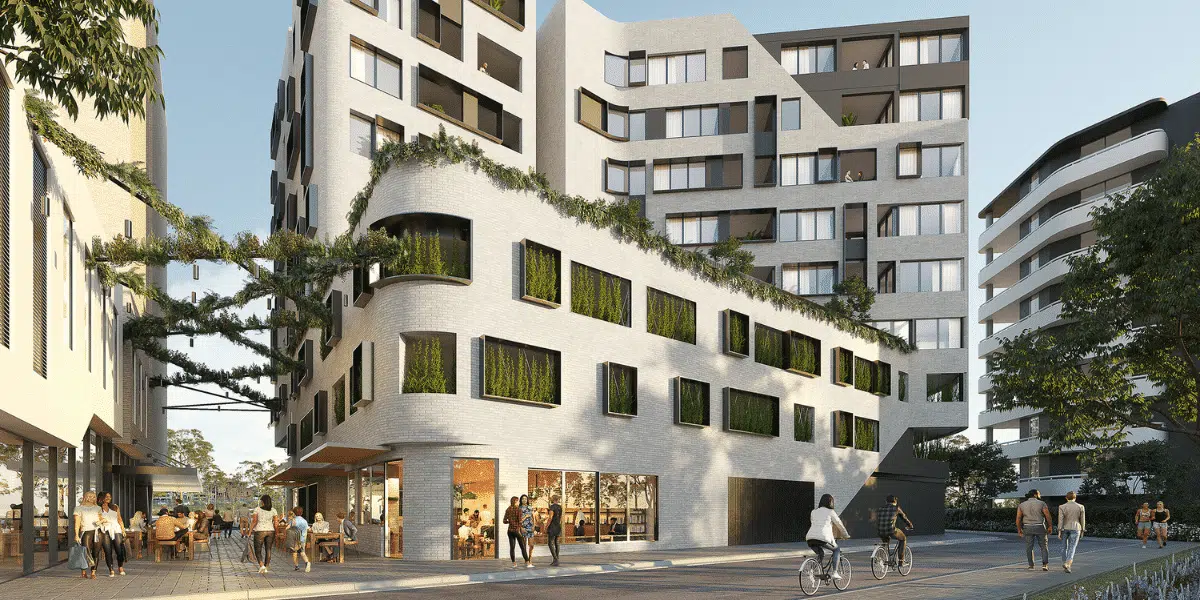
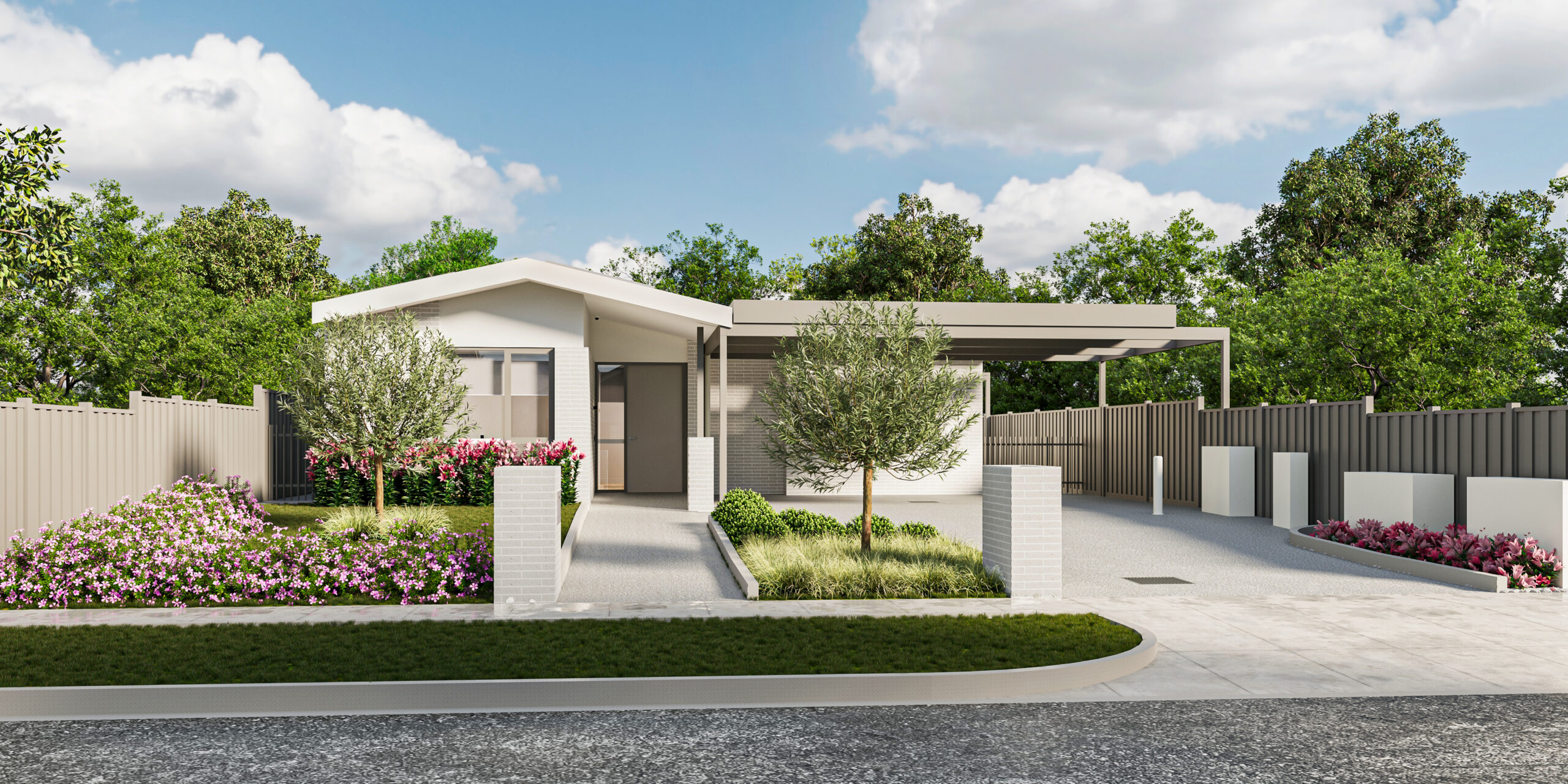
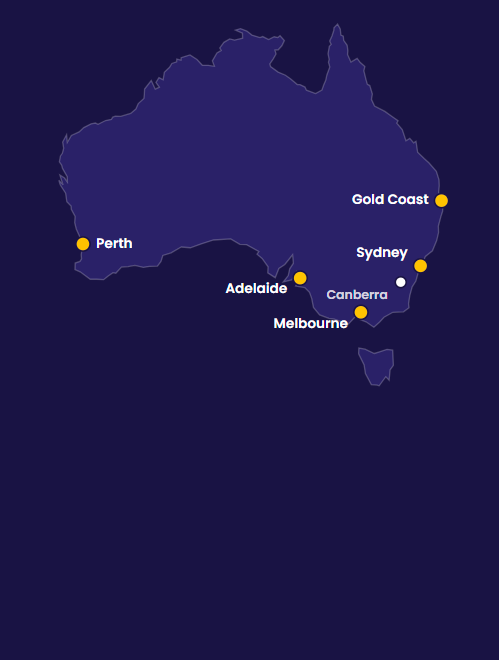
At Enliven Housing, our Improved Liveability SDA accommodation is designed to meet your needs. We put our tenants at the centre of the decision-making process throughout their SDA journey with us. We currently have SDA homes in Sydney, Melbourne, Canberra, Adelaide, Gold Coast and Perth.
We incorporate our Design Model in all our SDA housing. This includes prime location, on-site support hub and compatibility with all design categories including Improved Liveability SDA. Below, we break down what makes our apartments accessible for those classified within the SDA Improved Liveability category.
The Entrance
Key design features
●Safe, continuous step-free access from entry to the building right through to the entry doorway
●Requires a functioning lift that provides access from the car park to the unit level
●Homes have a wider doorway with a minimum door opening of 820 millimetres
●Cupboards need to have a deep covered handles or pushed-to-release mechanisms
●Minimum one-metre clearance between appliances and fixed benchtops
Bathroom and Laundry
Key design features
●Must have a water closet, shower, hand basin and slip resistance on all floors
●Laundries are provided with a sink or tub with taps
●Enliven Housing installs a washer-dryer combo for accessibility and space
Key design features
●All doorways must have a minimum luminous contrast of 30% between door leaf, floorboards or skirting boards
●Luminous contrast of at least 30% between two surfaces (e.g. door leaf and door frame)
●Solid glazing strips over large areas of glass
●Toilet seats must have a minimum luminance contrast of 30% with the background
●Colour contrast between the floor and wall
What are the benefits of Improved Liveability with Enliven Housing?
At Enliven Housing, we don’t just stop at Improved Liveability SDA — we go the extra mile to help you reach your NDIS goals. We’re committed to going above and beyond to ensure our tenants not only enhance their liveability but also enjoy their best life. With our state-of-the-art AT, Friendly Landlord Model and Access and Safety Provisions, our Improved Liveability SDA options are designed to make our tenants feel safe, comfortable and truly at home.
Assistive Technology
Voice-controlled smart devices in most homes. In an emergency, Alexa can notify up to 25 contacts at any time.
Friendly Landlord Model
Our dedicated Tenancy Officers will always respond to your concerns and ensure you’re at the centre of the decision-making process.
Safe, accessible locations
Homes in safe, reputable suburbs close to public transport, leisure and medical facilities. See our Design Philosophy.
Choice Collective
Where shared support is part of your home, the Choice Collective gives you a say in choosing, reviewing and shaping how that support works. Learn more.
Compliance and quality you can trust
We design and deliver our Improved Liveability homes to meet the NDIS SDA Design Standard. Every home is independently assessed by accredited third-party SDA Assessors, both at the design stage and once the home is built. This gives you confidence that your home meets the standards required for SDA, now and into the future.
The SDA Design Standard supports better housing outcomes for people with disability. It sets clear, nationally consistent requirements that focus on independence, safety and comfort in everyday living. We use these standards to guide how we design our homes – always with the people who live in them at the centre.
Our Improved Liveability SDA also goes beyond the Livable Housing Australia (LHA) Silver Level Standard. LHA Silver is a nationally recognised benchmark referenced in the National Construction Code (NCC). It includes seven core design features that make homes more accessible and simpler to adapt over time.
What this means for you is peace of mind. You can stay in a home you know and feel comfortable in, even if your support needs change – without major renovations or having to move.
Explore Improved Liveability SDA options with Enliven Housing
If you’re looking for SDA options, Enliven Housing is here to make your choice easier. We specialise in Improved Liveability SDA housing, offering modern, accessible living spaces tailored for individuals with sensory, intellectual or cognitive impairments.
At Enliven Housing, we don’t just meet SDA requirements; we go above and beyond to ensure you feel at home.
Ready to explore if you’re eligible for Improved Liveability SDA?
Use our quick eligibility calculator, or contact us directly by hitting the “Call Us” or “Chat Now” button below to find out how we can support you on your journey to Improved Liveability SDA living.
Frequently asked questions about Improved Liveability SDA
What is Improved Liveability SDA?
Improved Liveability is an SDA design category for people with sensory, intellectual or cognitive impairment. It provides a reasonable level of physical access plus features like high-contrast surfaces, task lighting and simple wayfinding that make a home easier and safer to navigate.
Who is Improved Liveability SDA for?
People with sensory needs such as vision or hearing impairment, intellectual disability such as autism or Down syndrome, or cognitive impairment such as acquired brain injury or early dementia. It is one of the most common SDA categories.
What is the difference between Improved Liveability and Fully Accessible?
Improved Liveability focuses on sensory-friendly design and easy navigation with a reasonable level of physical access. Fully Accessible provides comprehensive wheelchair access. IL suits cognitive and sensory needs, while Fully Accessible suits significant physical needs.
What conditions suit Improved Liveability SDA?
There is no fixed list. It often suits people with autism, Down syndrome, a vision or hearing impairment, an acquired brain injury or early dementia. Your assessment decides your category, and homes can blend features.
Where we build SDA housing
Location matters as much as design. Our homes sit in well-connected suburbs close to transport, health services and the people you already know.