Fully Accessible (FA) is one of four Specialised Disability Accommodation (SDA) design categories. In this article, we break down everything you need to know about Fully Accessible SDA and how this category is exceptional for individuals with high physical support needs.
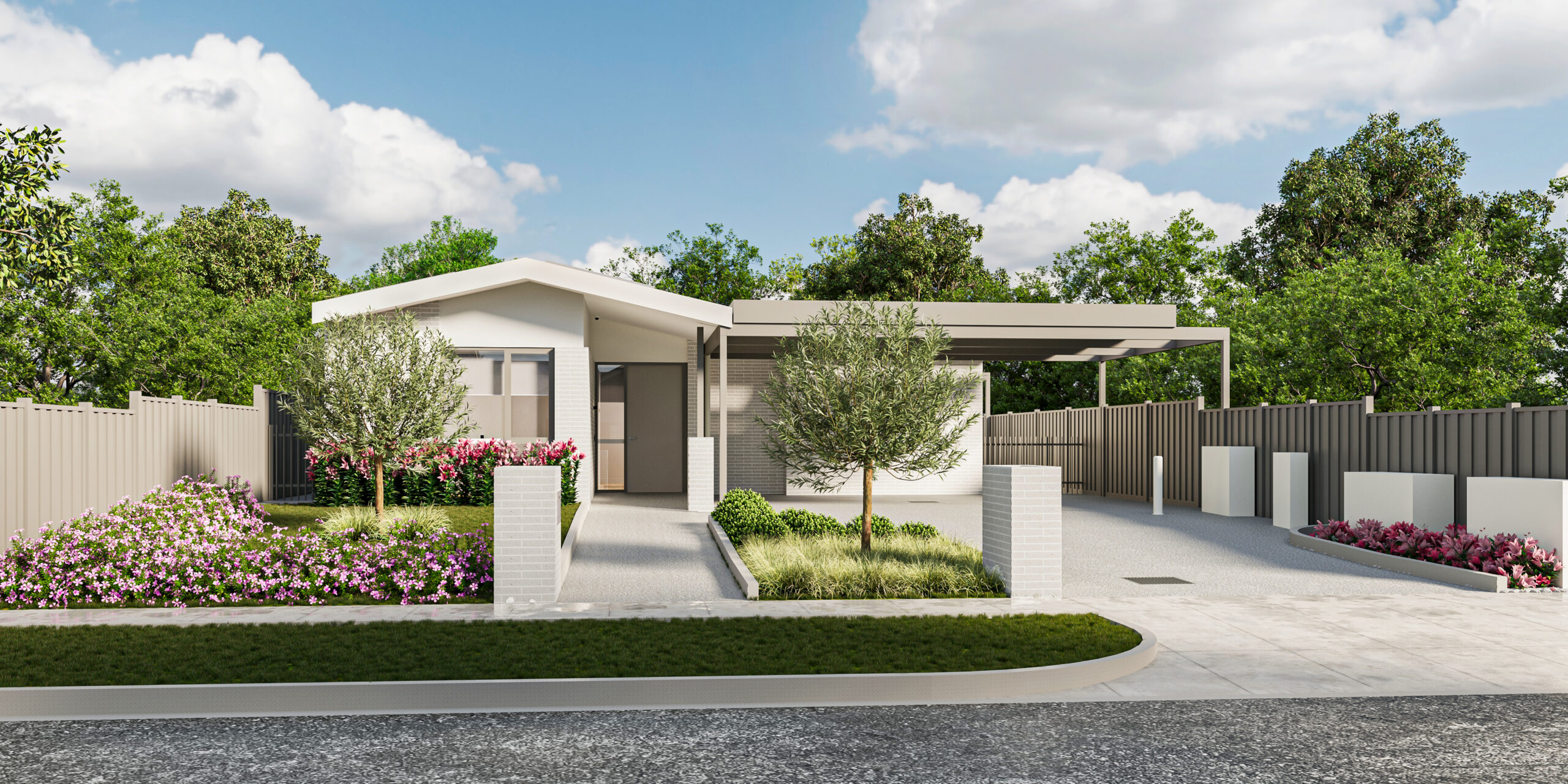
Fully Accessible (FA) is one of four SDA design categories with enhanced provisions and special features for participants with physical impairments who require a high level of accessibility. Some essential features of this category include wider doorways and corridors, flat flooring and open-plan layouts. The aim of Fully Accessible SDA is to create an accessible and safe living environment where participants can live more independently and comfortably.
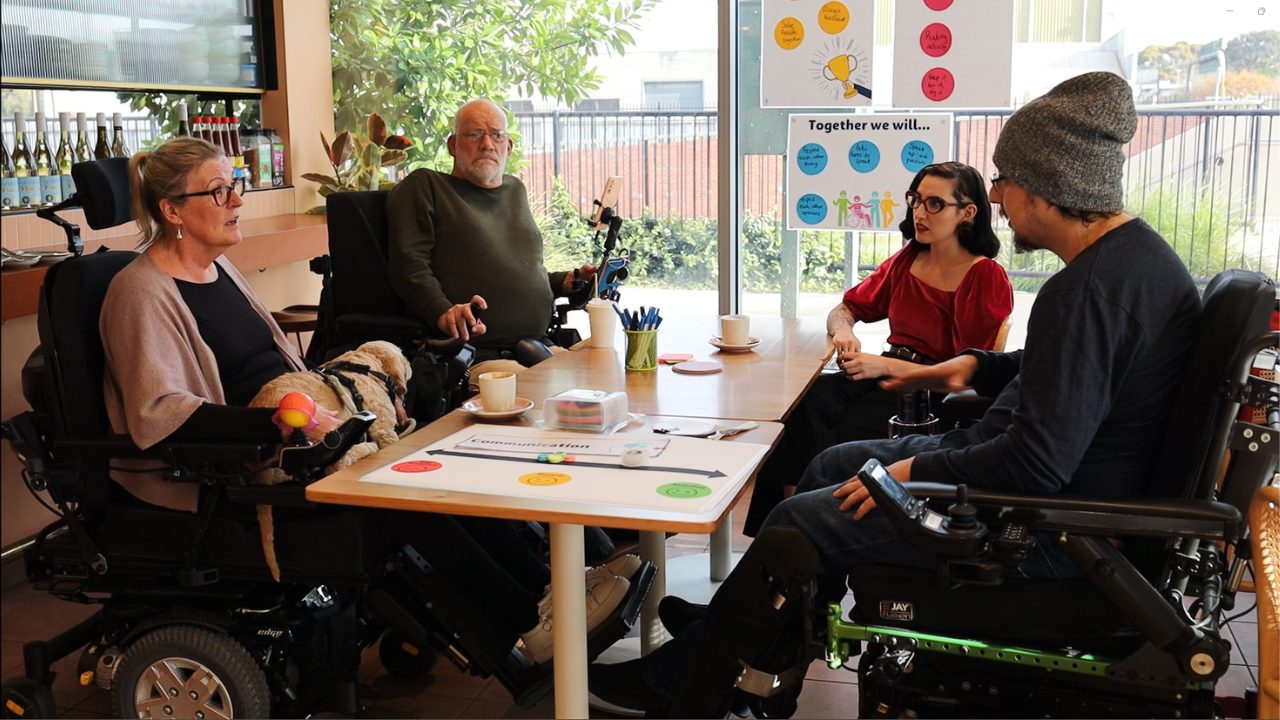
Fully Accessible SDA homes are designed for people who use wheelchairs, as well as people with neurological conditions or mobility impairments who benefit from greater access, space and environmental safety.
Some essential features of this category include wider doorways and corridors, flat and even flooring and open plan layouts that make it easier to move around your home. The aim of Fully Accessible SDA is to create a safe, accessible living environment where you can live more comfortably and with greater independence.
Fully Accessible SDA housing is designed to provide enhanced physical accessibility, meeting the specialised disability housing standards set by the National Disability Insurance Scheme (NDIS). This ensures you can live in a home that meets your support needs, enhancing independence and productivity. Below are some of the important design features of Fully Accessible SDA:
Here’s what you can expect in a Fully Accessible SDA home.
"At Enliven Housing, many of our homes include Amazon Alexa technology. In an emergency, Alexa can notify up to 25 emergency contacts, helping you get support quickly when you need it most. While this isn’t required by the NDIS, we include it because it makes a meaningful difference to our tenants’ safety and independence."
Faye Minty
Fully Accessible SDA can be most beneficial to participants with mobility impairment, which can affect movement, balance and motor skills such as walking and lifting. These impairments may be related to physical conditions, neurological disorders or injuries.
Here are some examples:
This can be a physical condition that affects movement or motor skills but isn’t necessarily caused by injury or neurological factors.
Examples:
Neurological disability can be related to the brain function and central nervous system which affect your cognitive function, movement control and sensory processing.
Examples:
This type of impairment can be a result from an accident or injury, which may affect both physical and/or neurological functions.
Examples:
If you have a mobility impairment, you may rely on assistive equipment or mobility aids. That’s why safety and accessibility are key to maintaining your independence and freedom. Fully Accessible SDA is designed to support your needs by offering features that improve mobility and remove obstacles, making everyday living easier.
SDA housing has four design categories: Improved Liveability (IL), Fully Accessible (FA), High Physical Support (HPS) and Robust. Each has its own design standards that are ruled out by the NDIS. Below, we describe the other categories and how they can differ from Fully Accessible SDA.
Improved Liveability SDA focuses on assisting participants with sensory, intellectual or cognitive impairment. It includes some features that Fully Accessible SDA doesn't require, such as task lighting and colour contrasts.

Robust SDA prioritises support for participants with disability such as autism, mental health conditions and other psychosocial disorders. Unlike Fully Accessible, this SDA category requires sound-insulation and must be made up of materials that prevent injury, neighbourhood disturbance and the need for frequent maintenance.
High Physical Support is similar to Fully Accessible SDA in a way that they both focus on providing an accessible living environment for participants with high physical support needs. HPS and Fully Accessible share many SDA design requirements; however, this category includes some additional features that Fully Accessible doesn't, such as ceiling hoists.
Category | Best For | Key Features | Examples of Disability Types |
|---|---|---|---|
Improved Liveability (IL) | Sensory, cognitive or intellectual disability | Visual contrast, illuminated switches, improved wayfinding | Autism, sensory impairment, intellectual disability |
Fully Accessible (FA) | Significant physical impairment | Step-free entry, wide doors, accessible bathrooms | Muscular Dystrophy, MS, Spinal Injury, Arthritis |
High Physical Support (HPS) | High physical support needs requiring assistive equipment. | Ceiling hoists, backup power, advanced home automation | Quadriplegia, ALS, progressive neuromuscular disorders |
Robust | Behaviours of concern and environmental safety | High-strength materials, soundproofing, secure outdoor areas | Autism (with behaviours of concern), mental health conditions |
This comparison helps highlight that Fully Accessible SDA specifically supports people who rely on physical accessibility and safe, unobstructed mobility—without the high clinical equipment needs found in HPS or the durability requirements in Robust SDA.
Fully Accessible SDA is designed for people who have significant physical impairments and need a home with a high level of accessibility. To receive SDA funding, you must first be eligible.
You may be eligible for Fully Accessible SDA if you:
The NDIS is looking for situations where SDA is not just helpful, but is also necessary for your health, safety and ability to participate in everyday life.
Are you unsure if you or someone you know might be eligible? Give our SDA eligibility calculator a try — it only takes about 60 seconds and can help point you in the right direction.
"*" indicates required fields
When you request SDA, the NDIS needs evidence that shows why you need a specialist home and why other housing options are not suitable. You may be asked to provide:
OT Functional Assessment
A detailed report that explains your mobility needs, physical limitations and the accessible features required for you to live safely.
Housing Needs Assessment
A breakdown of why mainstream housing won’t meet your needs and how SDA will support your independence.
Allied Health Reports
This may include reports from Occupational Therapists, Physiotherapists, Psychologists or other health professionals who understand your daily support needs.
Daily Support Needs Documentation
Information that explains:
Informal & Formal Support Information
Details from your support coordinator, support workers or family about how your current living situation affects your daily life.
The NDIS wants to understand whether Fully Accessible SDA will:
If the evidence shows that SDA is the best option for your needs, the NDIS may include it in your plan.
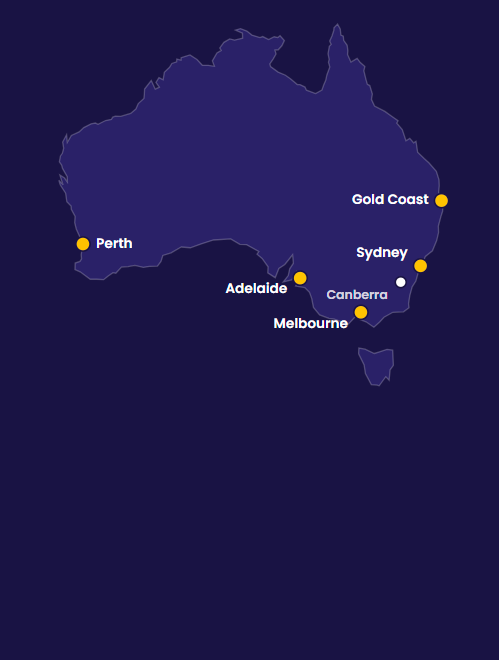
At Enliven Housing, we offer Fully Accessible SDA in Sydney, Melbourne, Canberra, Gold Coast, Adelaide and Perth.Â
Understanding the different SDA design categories can help you choose the option that best fits your lifestyle and support needs. Fully Accessible SDA includes specialised features designed to support people with physical disabilities to live more independently.
If you think SDA might be right for you, contact us or submit an enquiry to start your journey today.
Enliven Housing is proud to introduce Enliven Residences – a new selection of SDA houses and villas. Since 2019, we’ve
What is the SDA Design Standard? The Specialist Disability Accommodation (SDA) Design Standard outlines the design and construction requirements for
The Specialist Disability Accommodation (SDA) Pricing Arrangements help set fair and consistent price limits for the funding of different types
Western Australia
South Australia
Australian Capital Territory
"*" indicates required fields
Western Australia
South Australia
Australian Capital Territory
"*" indicates required fields