Housing for Deaf Adults in Australia

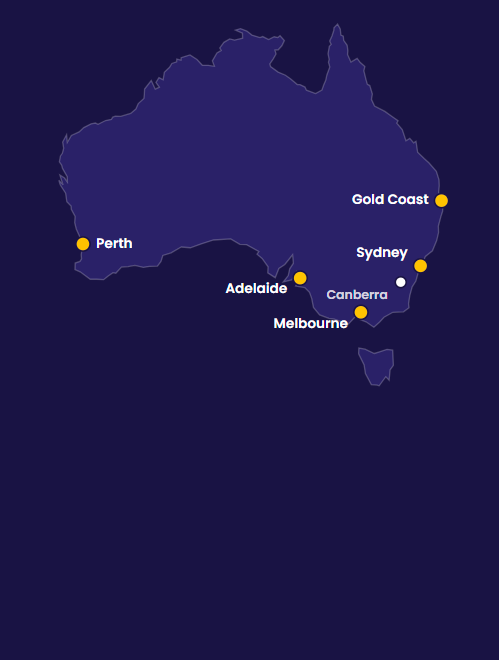
Enliven Housing provides NDIS SDA housing for Deaf adults and people with hearing impairment across NSW, QLD, VIC, SA and […]


Enliven Housing Enliven Housing
Published 1 Apr 2026 Updated 7 Oct 2026
70+ five-star
reviews on Google
Housing for Deaf Adults in Australia
70+ five-star
reviews on Google
On this page
Home directory
Find an SDA home near you

Browse live vacancies across every state and territory.

Search the directory Check my eligibility →

Quick summary

Enliven Housing provides NDIS SDA housing for Deaf adults and people with hearing impairment across NSW, QLD, VIC, SA and WA.

  • Homes come as apartments, villas and shared living homes.
  • Design focuses on visual alerts, clear sightlines, strong lighting and assistive technology.
  • Every property is certified against the NDIS SDA Design Standard by accredited assessors.
  • Deafness alone does not automatically qualify someone for SDA. Eligibility depends on functional impact and support needs.

At Enliven Housing, we provide NDIS Specialist Disability Accommodation (SDA) across NSW, QLD, VIC, SA and WA, designed to support Deaf adults and people with hearing impairment. Our homes are built with modern accessibility features, assistive technology integration and thoughtful layouts that enhance safety, visibility and independence.

Whether you’re exploring housing for yourself or a loved one, our team can help you understand your NDIS options and find a home that aligns with your goals.

Enliven’s SDA Housing Options for Deaf Adults

Our SDA homes are designed in line with the NDIS SDA Design Standard, ensuring compliance with accessibility, safety and assistive technology requirements.

 
IL Sensory, intellectual or cognitive impairment

Improved Liveability

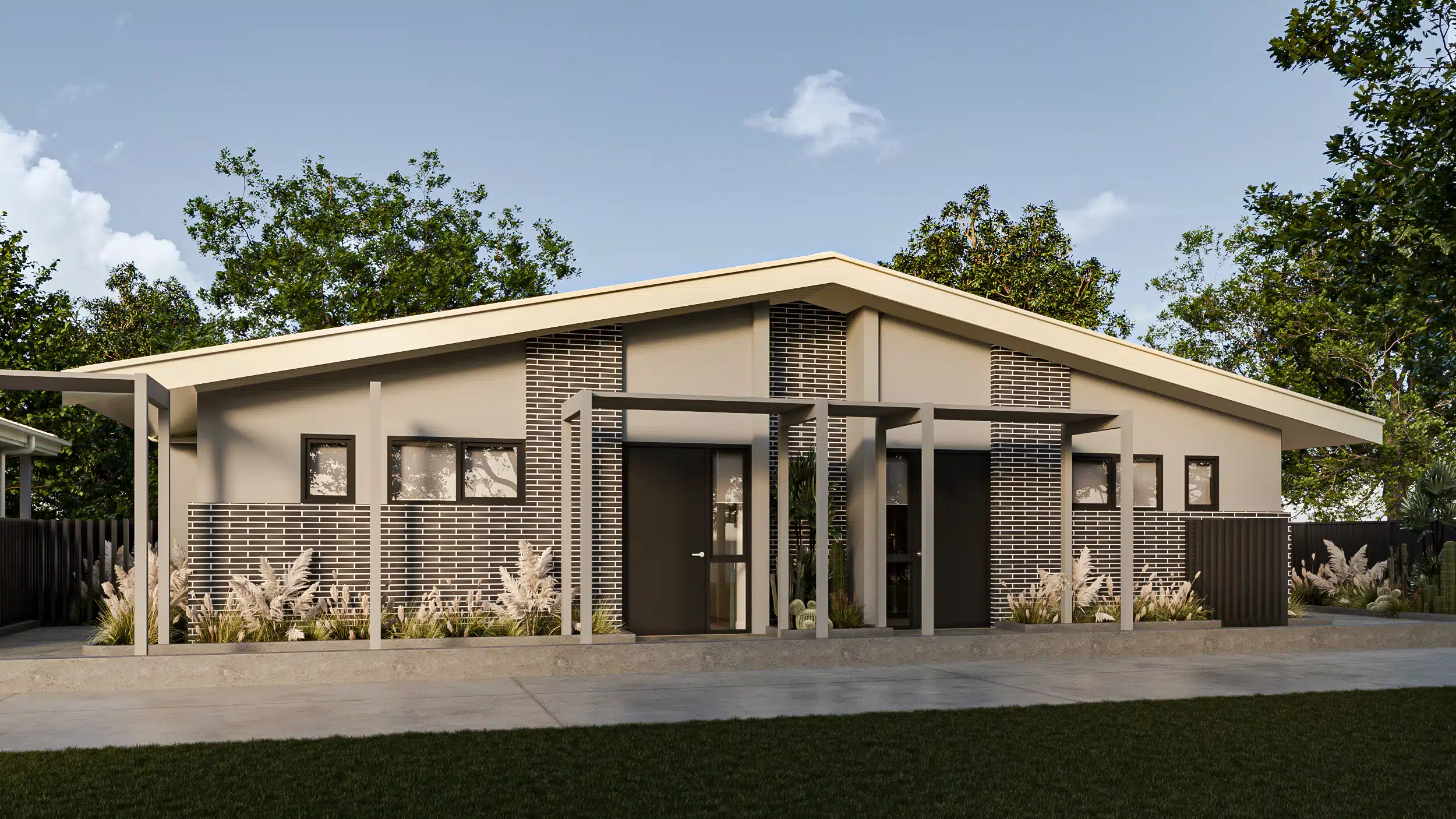
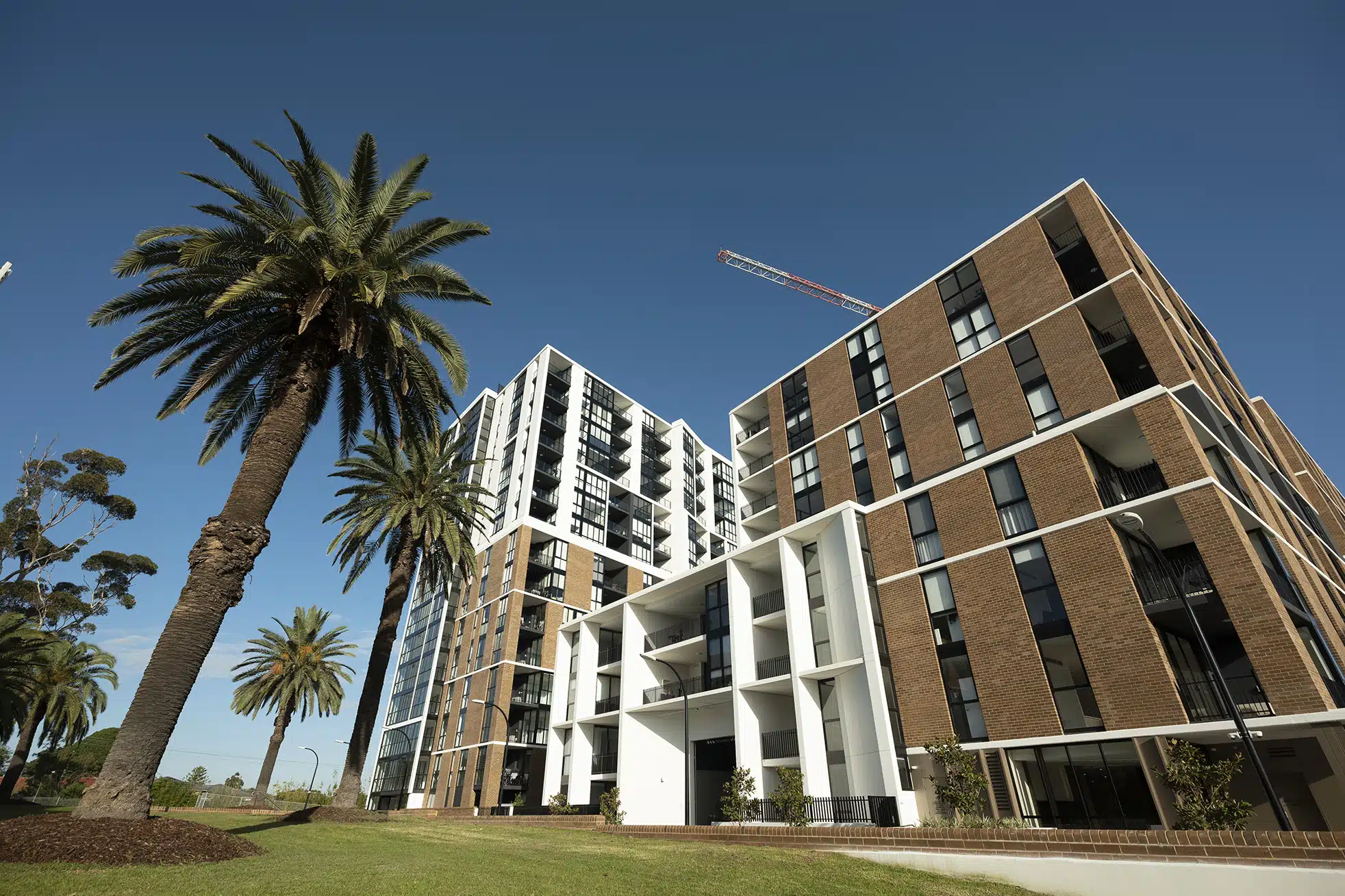
Improved Liveability (IL) caters to participants with sensory, intellectual or cognitive impairments. It offers subtle design features that can significantly enhance the liveability of those who may need that extra bit of support in their home. Some of these features include contrasting walls and doors, improved wayfinding with limited corridors, task lighting and visual assistance lines. The main outcome of Improved Liveability housing is to assist you to navigate around and promote overall safety and comfort.
Key design features
● All corridors and passageways must be at least 120cm wide
● Luminous contrast of at least 30% between two surfaces (e.g. door leaf and door frame)
● Solid glazing strips over large areas of glass
● Colour contrast between the floor and wall
Improved Liveability guide →
Improved Liveability
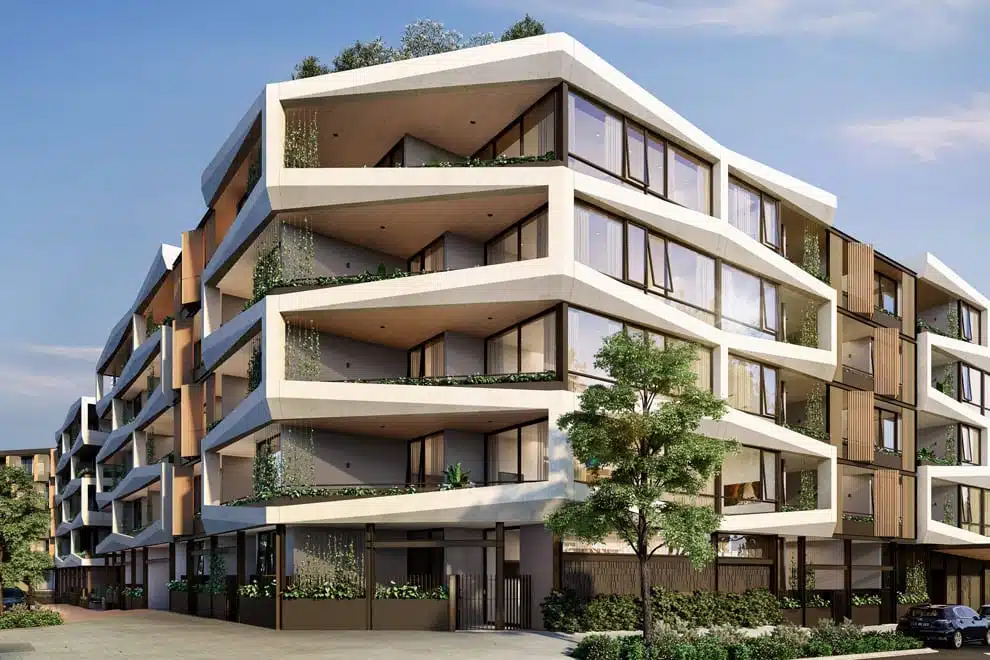
Highline, Westmead
High-contrast joinery · wide sightlines · task-lit kitchen
FA High physical impairment

Fully Accessible

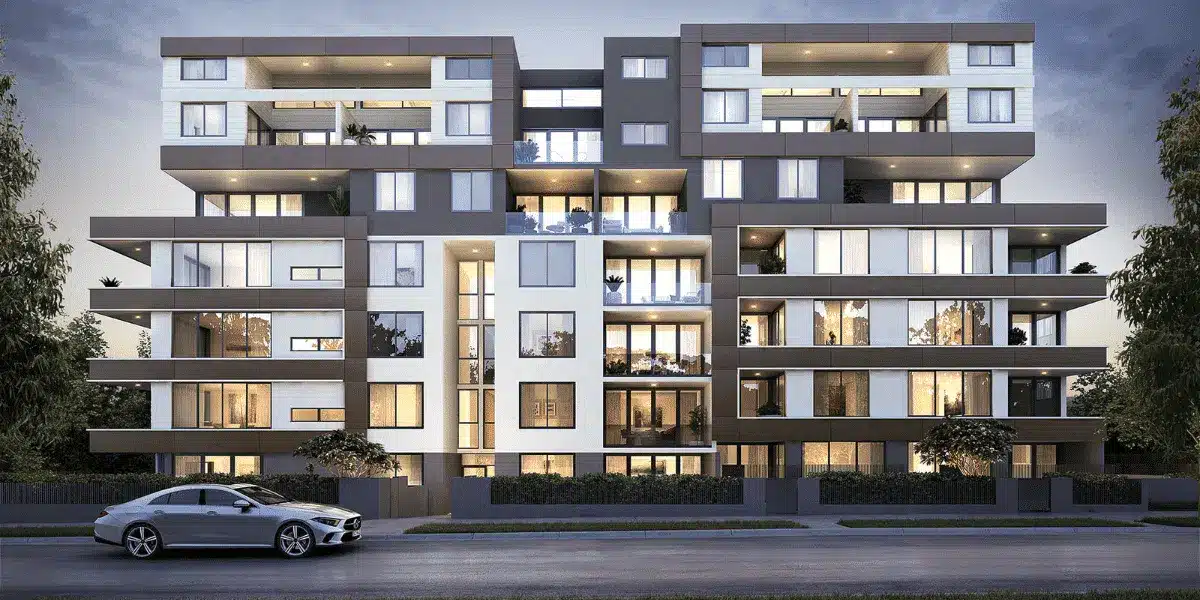
The Fully Accessible (FA) design category caters to individuals with high physical impairment. The main focus of this design is to support mobility so you can move around your home with ease. The main features of FA SDA include wider doorways and corridors, flat flooring and open-plan layouts.
Design requirements exclusive to Fully Accessible include but are not limited to
● Continuous accessible path from dwelling to the letterbox
● Doors to have a minimum opening of 90cm wide
● This category would be most beneficial if you use a wheelchair, assisted devices or have limited mobility.
Fully Accessible guide →
Fully Accessible
Orchard Terrace, Subiaco
Step-free entry · 90cm doorways · roll-under benches
HPS High physical impairment requiring a lot of support with daily activities

High Physical Support

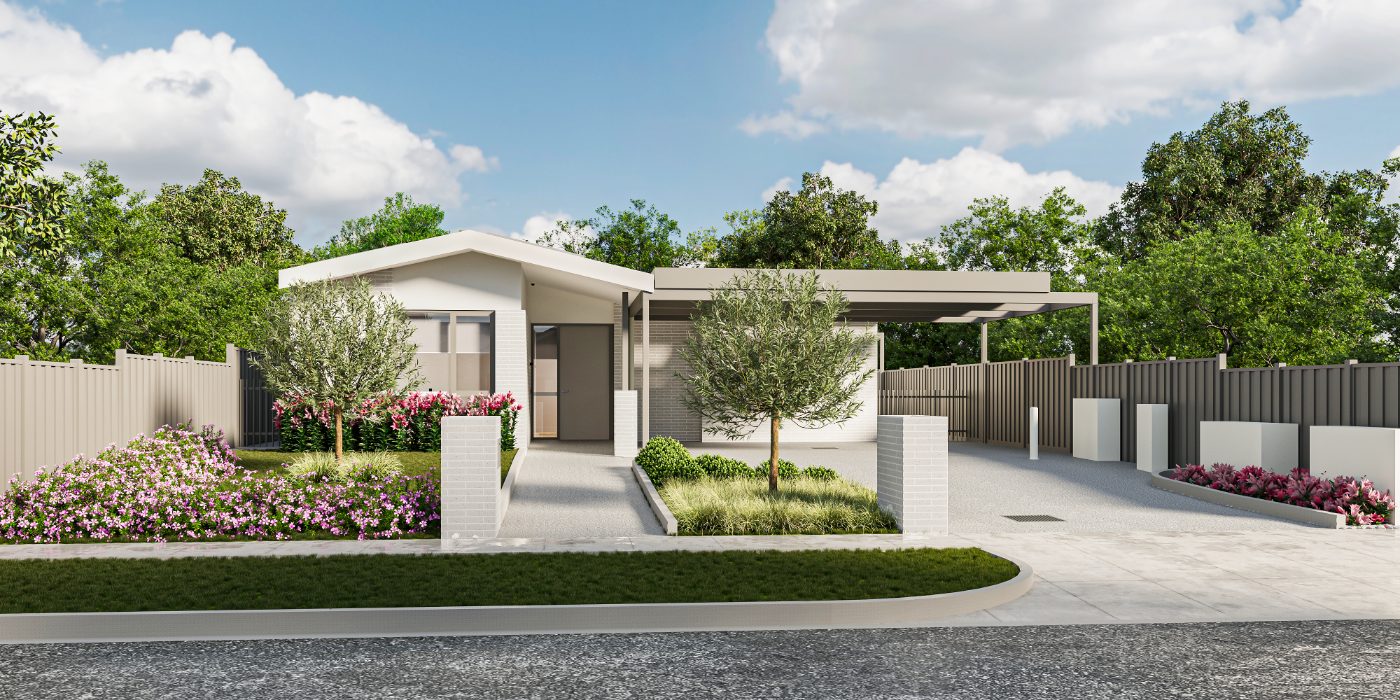
The High Physical Support (HPS) design category caters to individuals with high physical impairment and require a lot of support with daily activities. Similar to the FA design category, this category features open-plan layouts, step-free accessways and wide corridors. Additionally, other provisions such as ceiling hosts and even wider door openings are required to enhance accessibility, movement and comfort for you.
Housing requirements for HPS include, but are not limited to
● All doors that are to be used by the participant have to have an opening of at least 95cm
● Power and control cabling must be installed above the main bedroom doorway along with one external doorway that leads to an open area for future automation
● Power and control cabling must be installed above windows for blind automation
● Each bedroom must be equipped to install and power a hoist
● Emergency power generators must be provided
● Communication technology such as video or intercom must be provided
High Physical Support guide →
High Physical Support
The Evoke, Blacktown
Ceiling hoist provision · emergency power · intercom
Robust Autism, mental health conditions and other psycho-social disorders

Robust

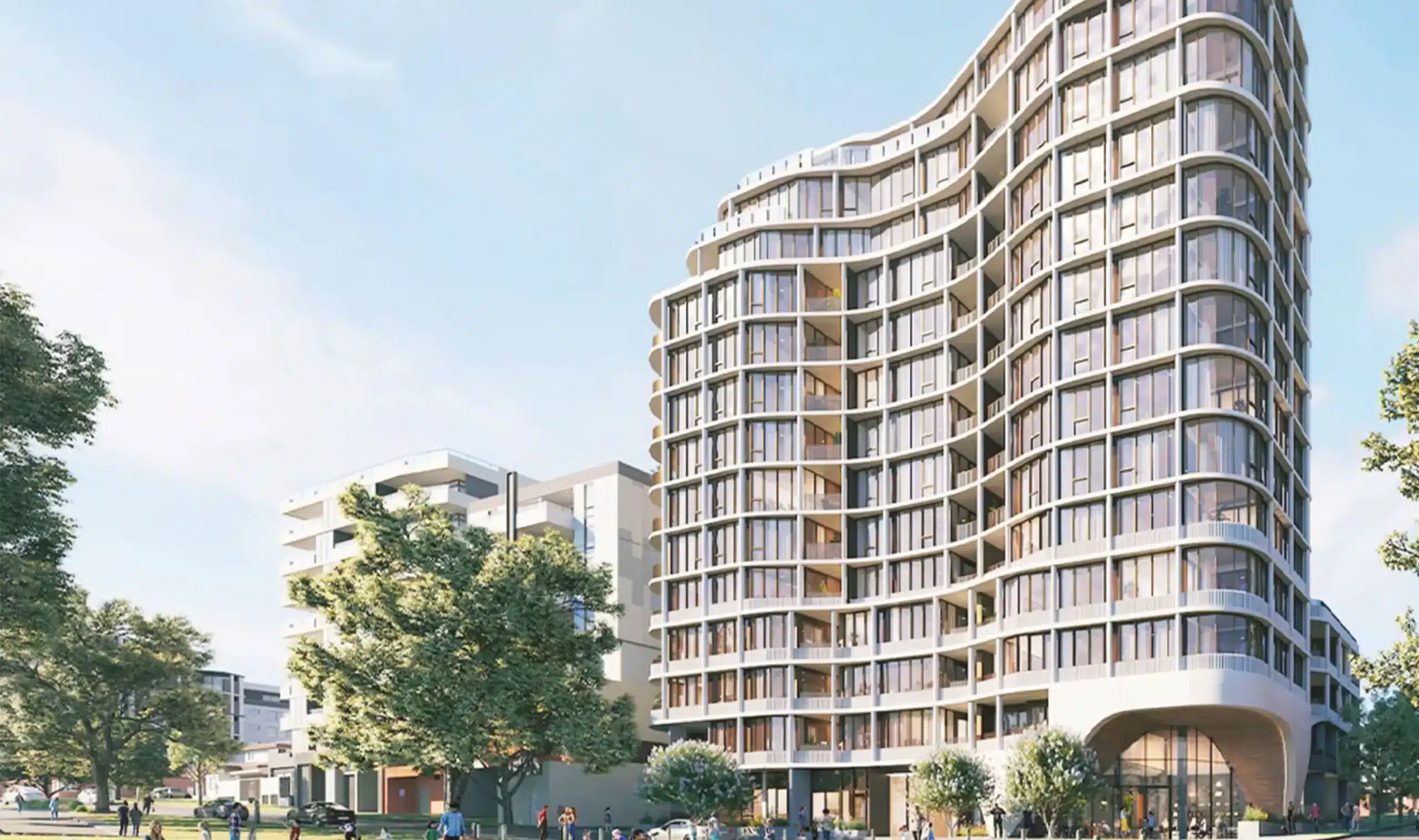
The Robust SDA design category caters to individuals with disability such as autism, mental health conditions and other psycho-social disorders. Homes under the Robust category are built with durable and strong materials that prevent injury, neighbourhood disturbances and the need for frequent maintenance.
Design features unique to Robust include
● Kitchen benchtop and cabinetry shall be made of robust materials
● Any timber doors must be solid
● Any breakout rooms must be solely designed to cater for the individual disability-related needs
● The main bedroom must be sound-insulated
● All fittings and fixtures e.g. door handles must be strong and durable
● Windows must be made of shatter-free material such as laminated glass or polycarbonate
Compare all categories →
Robust
Shared living home
Robust materials · sound insulation · shatter-free glazing

What Makes Our Autism-Friendly Homes Different?

While the SDA Design Standard focuses on physical accessibility and safety, Deaf-friendly housing goes further by supporting communication access and visibility.

 
Visual & Communication Accessibility
✓ Visual doorbells and intercom systems
✓ Flashing or vibrating fire alarm systems
✓ Strong lighting level throughout living areas
✓ Open layouts to improve line-of-sight communication
✓ Infrastructure for assistive technology
✓ Consistent placement of switches and powerpoints
Safety & Independence
✓ Step-free entry pathways
✓ Minimum compliant door widths
✓ Slip-resistant flooring
✓ Lockable windows and secure entry points
✓ Emergency power provisions where required under SDA
Comfort & Wellbeing
✓ Reverse-cycle air conditioning with accessible controls
✓ Dimmable lighting in bedrooms and living areas
✓ Acoustic considerations in shared living environments
✓ Private bedrooms and adaptable layouts
SDA Design Standard
Every home is independently certified

Our experience in SDA delivery means every property is certified against the NDIS SDA Design Standard by accredited assessors, giving participants and families confidence in quality and compliance.

SDA design categories

Housing Options for Deaf People Available

Every person’s support needs are different. Some Deaf adults live independently with minimal supports, while others may qualify for SDA under the NDIS due to additional functional impacts or complex support needs.

Enliven Housing offers a range of Specialist Disability Accommodation (SDA) property types designed to meet different levels of support while prioritising communication access, safety and autonomy.


Are Deaf Adults Eligible for Housing Under the NDIS?

Not all Deaf adults will qualify for SDA. SDA is funded under the NDIS for participants with extreme functional impairment or very high support needs.

Eligibility may include:

 
✓ Permanent hearing impairment (diagnosed)
✓ Functional impact affecting daily living
✓ Requirement for specialist housing solutions
✓ SIL, SDA or ILO funding in your NDIS plan (if approved)
✓ Goals related to independence or supported living

If you’re unsure about eligibility, our team can guide you through the SDA eligibility pathway.

Learn more about NDIS SDA Eligibility

 
Eligibility check
Not sure whether you qualify for SDA?

Our eligibility calculator gives you an answer in under 60 seconds, with no paperwork.

Learn more

How to Get Housing For Autistic Adults Through the NDIS

1
Get Your NDIS Plan Ready

Confirm whether your plan includes or may support SDA, SIL or ILO funding.

 
2
Understand Your Support Category

SDA funding applies to the home itself, not daily supports. SIL funding covers in-home support staff.

 
3
Work With Support Coordinators

Your Support Coordinator can help identify suitable housing for deaf adults near you.

 
4
Tour Available Enliven Homes

We arrange property tours and discuss assistive technology and communication modifications.

 
5
Move In and Begin Supports

Once approved, we coordinate with your support providers to ensure a smooth transition.

Ready to start the application?

Our Home and Living team can help you assemble evidence and understand what to expect at each step.

How to apply guide

Ready to Find the Right Home for You or Your Loved One?

Choosing the right deaf housing option is an important step, and you don’t have to navigate it alone.

Enliven Housing works with participants, families and support coordinators to deliver compliant, high-quality SDA homes that prioritise safety, communication and independence.

If you’re exploring housing for deaf adults near you, reach out today. Let’s find a home that supports your goals now and into the future.


FAQ

There is no single “best” option. Some Deaf adults live independently in standard housing, while others may qualify for SDA due to additional support needs. The right choice depends on your NDIS plan, goals and level of support required.

The NDIS may fund SDA if a participant has extreme functional impairment or very high support needs. Deafness alone does not automatically qualify someone for SDA.

Support may include Supported Independent Living (SIL), communication support workers, daily living assistance and assistive technology integration.

Yes. Many Deaf adults live independently, with or without NDIS supports. SDA is designed to enhance independence where specialist housing features are required.

You can search registered SDA providers, speak with your Support Coordinator, or contact Enliven Housing directly to explore availability in your state.

Speak to our team
Speak to our team

Not sure where you sit in the process? A ten-minute call with our team will tell you what to do next.

Related blog posts

All resources →
Enliven Housing Launches New Support Coordinator Hub
News
Enliven Housing Launches New Support Coordinator Hub

We’re excited to introduce the new Enliven Housing Support Coordinator Hub – a dedicated online space designed to make navigating Specialist Disability Accommodation (SDA) easier for Support Coordinators. We work with Support Coordinators every day, and we know how important…
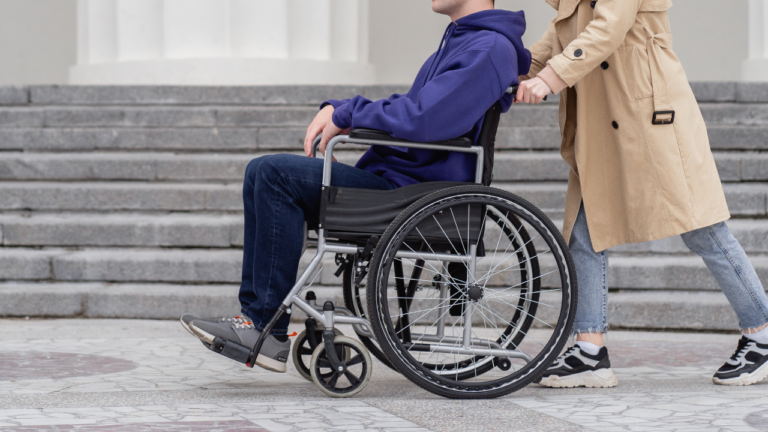
How Funding Works in Shared Living Arrangements
SDA
How Funding Works in Shared Living Arrangements

Quick summary It’s completely normal for housemates to have different National Disability Insurance Scheme (NDIS) plans, because your funding is based on your own support needs. Specialist Disability Accommodation (SDA) funding covers the home and is paid directly to your…
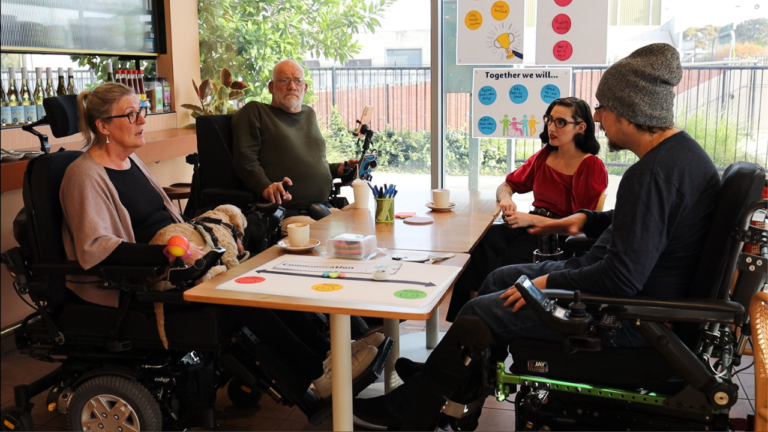
Shared Living and Supports: How They Work Together
SDA
Shared Living and Supports: How They Work Together

Quick summary Shared living describes the setting you live in. Within that setting, Specialist Disability Accommodation (SDA) funds the home, and Supported Independent Living (SIL) or Individualised Living Options (ILO) funds the support you receive there. Your National Disability Insurance…
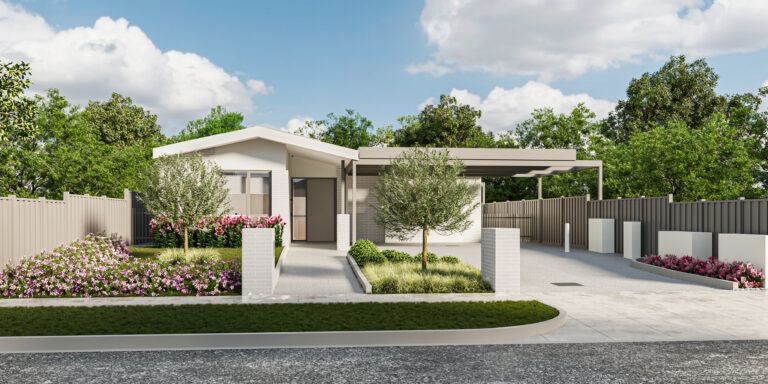
Group Home vs Shared Living: What’s the Difference?
SDA
Group Home vs Shared Living: What’s the Difference?

Quick Summary Group homes and shared living both describe people with disability living together with support. The main difference is how much choice and control you have. In a traditional group home, housing and support are usually bundled with one…

Housemate Matching and Compatibility: Who Will I Live With?
SDA
Housemate Matching and Compatibility: Who Will I Live With?

For a lot of people, this is the question that matters most about shared living. Not the funding, not the building, but the people. Who will I actually live with? What if we don’t get along? And can I choose…

Feedback Form

"*" indicates required fields

Request a Call Back