The Specialist Disability Accommodation (SDA) Design Standard outlines the design and construction requirements for newly built SDA homes seeking enrolment under the NDIS. Introduced in October 2019, the standard ensures that SDA properties are purposefully designed to meet the specific support needs of NDIS participants. It provides detailed standards that address a wide range of disability and support requirements, with a strong focus on promoting independence, safety and comfort.
The SDA Design Standard is structured around the four categories of SDA design: Improved Liveability, Fully Accessible, High Physical Support and Robust.
Improved Liveability
The Improved Liveability (IL) SDA design aims to provide a reasonable level of physical access and promote safety and comfort for individuals with sensory, intellectual or cognitive impairment.
| Sensory | This is related to how you see, hear and touch |
| Intellectual | This is related to how you speak and listen, read and write, judge and critically think |
| Cognitive | This relates to thinking, remembering and reasoning |
Some of the IL requirements outlined in the SDA Design Standard may include:
Fully Accessible
Fully Accessible (FA) SDA is designed to promote safety and independence for individuals with high physical impairment. This type of housing may be suitable if you use a wheelchair or other mobility aids to get around in daily life
The FA design requirements set out in the SDA Design Standard ensure the home is highly accessible, allowing you to move through spaces with ease. Some of these requirements are:
High Physical Support
High Physical Support (HPS) is the most comprehensive SDA design category built for participants with higher support needs. This category is most compatible if you often require additional support and specialised equipment for day-to-day activities. Some of the HPS design requirements stated within the SDA Design Standard may include:
Robust
Under the SDA Design Standard, the Robust design category addresses the needs of participants who may present with complex behaviours or psychosocial disability, such as Autism or mental health conditions. This design category ensures that homes are built to support not only participant safety and comfort but also the long-term durability of the property.
In accordance with the SDA Design Standard, Robust homes incorporate specific features and materials that prevent injury, neighbourhood disturbances and the need for frequent maintenance. This includes:
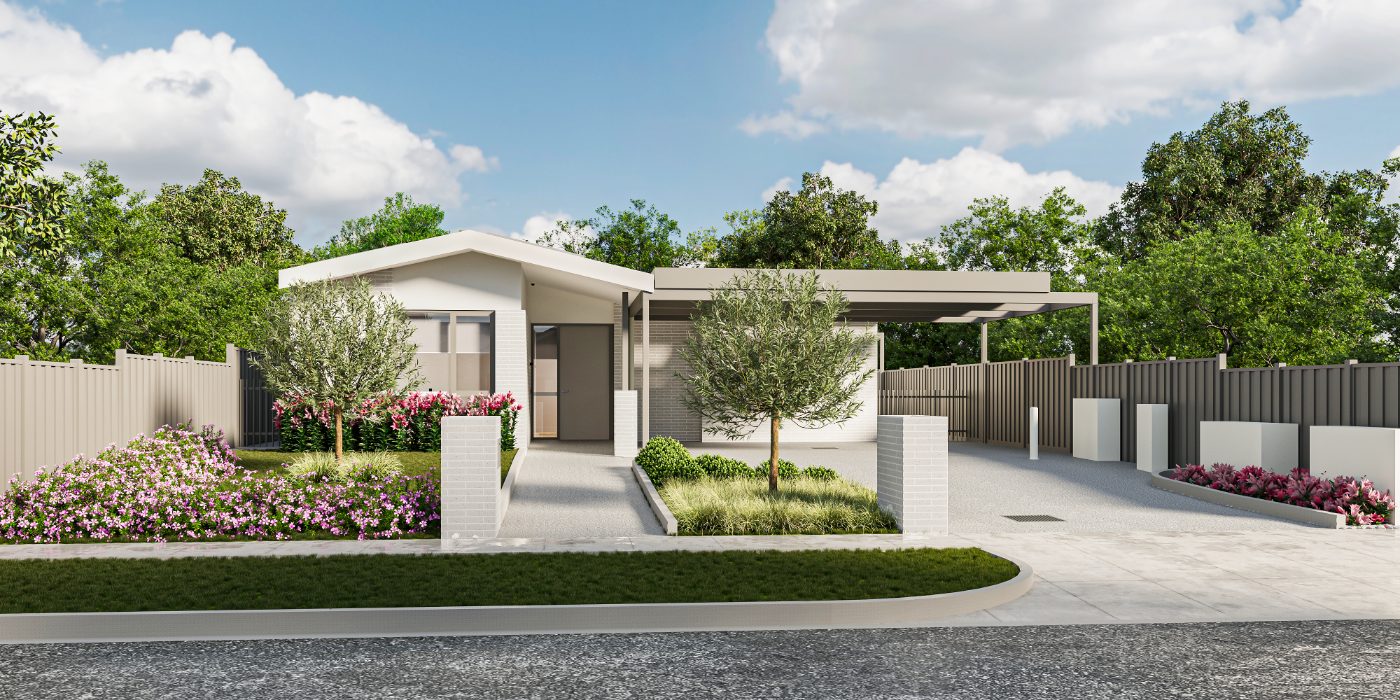
What are the Key Elements of SDA Design Compliance?
Certification Process
To enrol a newly built home as an SDA dwelling under the NDIS, it must first be certified by an Accredited SDA Assessor. This is someone who’s authorised to confirm that the dwelling meets the SDA Design Standard.
There are two stages of certification, both which are mandatory:
Stage 1: Provisional Design Certification
The provisional design certification is conducted during the design phase. The purpose of this certification is to make sure the proposed plans align with the SDA Design Standard before construction begins.
Stage 2: Final-as-built Certification
This certificate confirms that the dwelling matches the approved design and complies with all relevant SDA requirements after the dwelling is physically built.
Throughout both stages, the Assessor reviews key documentation to ensure the SDA dwelling meets the NDIS design standards. This may include:
Once the assessor confirms the home meets the SDA Design Compliance requirements, they issue the SDA As-Built Certificates, along with the SDA Assessment Summary Form and SDA Assessment Checklist. The SDA Provider then submits these documents to the NDIS to finalise the dwelling’s registration and enrolment.
Design Principles and Intent
The SDA Design Standard is built to support your independence by shaping homes that respond to your individual needs. It does this by integrating support features directly into the layout and functionality of the home, making daily living safer, more comfortable and more accessible.
Beyond accessibility, the standard also encourages connection with the community. Its guidelines help create environments where you can live, participate and thrive.
The SDA Design Standard enhances the quality of housing by guiding better outcomes for NDIS participants and supporting stronger, more consistent practices within the industry.

The SDA Design Standard recognises that people have diverse needs and preferences. It outlines several SDA design categories, each tailored to different physical and support needs. This flexibility gives you greater choice in your living environment and helps ensure the home you choose genuinely supports your independence and the way you want to live.

The SDA Design Standard has played a significant role in improving the quality of disability housing across Australia. By setting clear and consistent guidelines, it helps ensure that SDA homes are built to a reliable standard of accessibility, safety and compliance. This creates greater confidence for participants, providers and support teams alike.
Choosing a home built in line with the SDA Design Standard isn’t just about meeting the technical requirements. It’s also about finding a place that supports your independence, safety and long-term comfort. At Enliven, we design and deliver homes that not only comply with the SDA Design Requirements but go beyond them to create environments where people feel genuinely at home.
At Enliven, our service goes beyond simply providing a compliant SDA home. As part of our Friendly Landlord Model, we stay connected with you and your support network to ensure your home continues to meet your needs, not just on day one, but as your lifestyle evolves. This means you benefit from an SDA home designed to standard, with the added reassurance of a landlord who understands what high-quality, tenant-focused SDA living should feel like.
The SDA Design Standard sets out Assistive Technology (AT) requirements for High Physical Support (HPS) and Fully Accessible (FA) dwellings. At Enliven Housing, we go a step further. Alongside HPS and FA dwellings, our Improved Liveability (IL) homes are also built with integrated AT provisions. This way, your home is designed to support your needs regardless of the SDA category you’re funded for.
At Enliven, our dedicated Assistive Technology Team works closely with you, your Occupational Therapist (OT) and Support Coordinator to develop a tailored quote and service agreement for submission to the NDIA. Our team is guided by a genuine commitment to helping you live comfortably, safely and with confidence in your home.
Faye Minty
Some AT features listed in the SDA Design Standard include:
At Enliven, meeting the SDA Design Standard is only the start. While the standard lays the foundation for accessibility and safety, we go further by prioritising location, amenities and access to transport. Our Design Philosophy blends compliance with thoughtful, tenant‑centred design to create SDA homes that genuinely enhance your independence and quality of life.
We hope this guide has helped you understand the SDA Design Standard. Knowing how the Standard works empowers you to make confident decisions about the type of home, support level and living environment that best suit your needs. If you’re ready to explore your options, our friendly team is here to help. Take the next step using our SDA Eligibility Calculator, enquiry form or by contacting us for personalised guidance.
Enliven Housing is proud to introduce Enliven Residences – a new selection of SDA houses and villas. Since 2019, we’ve
The Specialist Disability Accommodation (SDA) Pricing Arrangements help set fair and consistent price limits for the funding of different types
Specialist Disability Accommodation (SDA) offers accessible housing for people with high support needs. Recognised and funded by the National Disability
Western Australia
South Australia
Australian Capital Territory
"*" indicates required fields
Western Australia
South Australia
Australian Capital Territory
"*" indicates required fields