Group homes and shared living both describe people with disability living together with support. The main difference is how much choice and control you have.
In a traditional group home, housing and support are usually bundled with one provider, and residents are often placed based on a vacancy or their support needs.
In shared living, you have a real say in who you live with, and your housing and support are kept separate.
Shared living homes are usually purpose-built or modified Specialist Disability Accommodation (SDA), with private bedrooms and shared communal spaces.
Shared living is designed to offer more choice and control, compatible households and stronger community connection.
SDA funding covers the home itself, and the support you receive inside the home is funded separately.
If you’ve been searching for a disability group home, you’ve probably noticed the term is used in lots of places, often with slightly different meanings. You may also have come across “shared living” and wondered whether it’s another word for the same thing.
Group homes and shared living can look similar, but they reflect different approaches to disability housing. Understanding the difference helps you know how much say you’ll have over where you live, who you live with and how you’re supported day to day.
This guide explains what each term means, how the two models differ, and what modern shared living looks like.
What is a disability group home?
A group home is a shared house where several people with a disability live together, usually with support staff on site. The term has been used in Australia for decades, and it covers a wide range of settings, from older, institutional-style homes to smaller, more modern houses.
In a traditional group home, support and housing are usually bundled together and delivered by the same organisation. Residents are often placed based on a vacancy or their support needs. Daily routines, like when people eat, wake up or go out, are often built around staffing schedules.
Bundled housing and support
Housing and support are usually delivered by the same organisation.
Placed by vacancy
Residents are often placed based on a vacancy or their support needs.
Staff-led routines
When people eat, wake up or go out is often built around staffing schedules.
A step away from institutions
For many years the main alternative to institutional care, with a smaller, more home-like setting.
Group homes were an important step away from large institutions. For many years, they were the main alternative to institutional care, and they gave people a smaller, more home-like place to live. Expectations have since grown, and shared living has developed to give people more choice over how they live.
What is shared living?
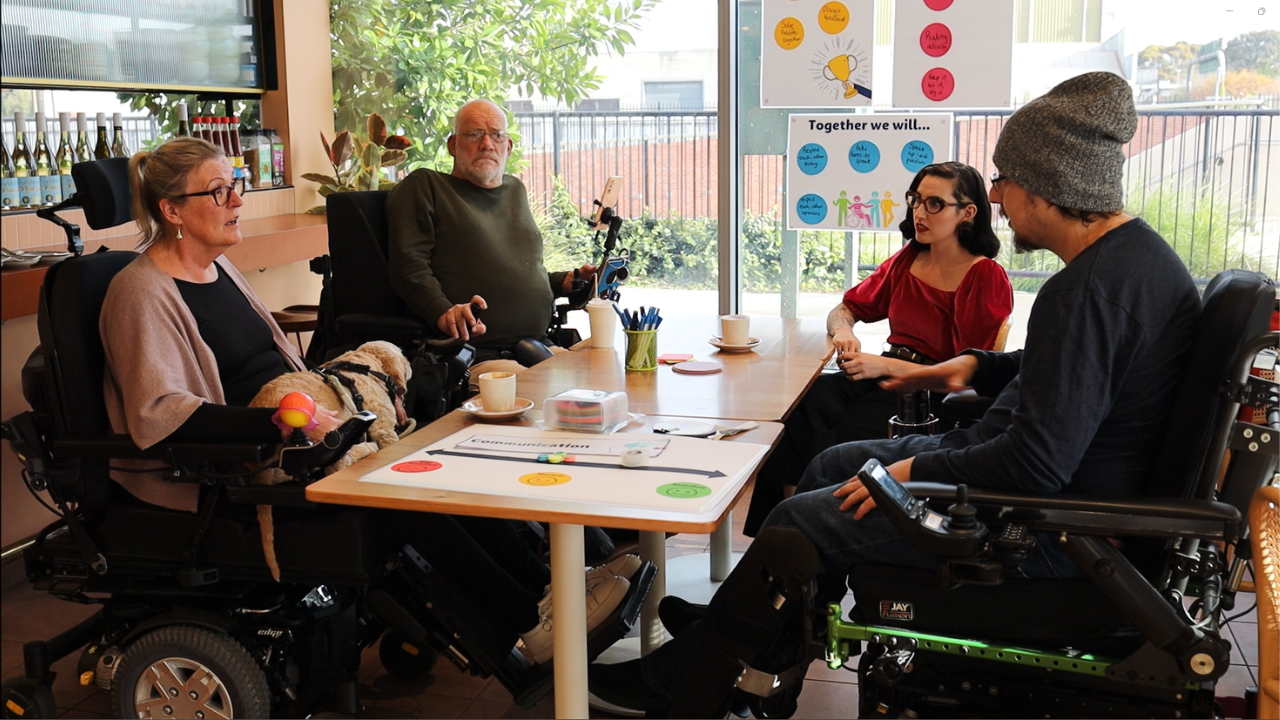
Shared living gives you more say over your home, your housemates and your support. It’s a housing arrangement where two or more people with a disability live in the same home.
In a well-designed shared living arrangement, you have a real say in who you live with. Your housing and support are kept separate, so the organisation that manages your home is different from the one that provides your daily support. Household routines are set by the people who live there.
The home itself is usually purpose-built or modified Specialist Disability Accommodation (SDA), with modern accessibility features and private bedrooms. You share communal spaces like the kitchen and living areas, and your bedroom is your own private space.
HOUSINGYour home
Specialist Disability Accommodation
●Purpose-built or modified SDA with modern accessibility features
●Private bedroom, with shared kitchen and living areas
●A real say in who you live with
SUPPORTKept separate
Your home
●Provided by a different organisation to the one that manages your home
●Household routines set by the people who live there
●Change support without changing home
The move toward shared living reflects a wider change in how the disability sector thinks about home. It aligns with the United Nations Convention on the Rights of Persons with Disabilities, which recognises the right of people with disability to choose where they live, who they live with and how they’re supported, on an equal basis with everyone else.
Ready to start the application?
How shared living works, who it suits and what to expect from your home and housemates.
Shared living is designed to give you more choice in three key areas.
More choice and control
You have a say in who you live with, who supports you and how your day runs, with decisions built around your preferences and goals.
Compatible households
Housemates are matched on shared interests, personalities and lifestyles as well as support needs, which helps create a settled home that supports wellbeing.
Community connection
Shared homes are located and designed to keep you connected to your neighbourhood and the relationships that make a place feel like home.
Many group homes are run by caring people who continue to support people with disability across Australia. Shared living builds on that foundation by putting the person at the centre of the model, so people with disability have the same housing choices as anyone else.
Traditional Group Homes vs Modern Shared Living Comparison
Group homes and shared living compared
How each model typically works
Area
Traditional Group Home
Modern Shared Living
Who you live with
Often assigned by vacancy or support needs
You have a real say, through a matching process
Housing and support
Usually bundled with one provider
Kept separate, so you can change support without changing home
Daily routines
Often built around staff schedules
Built around the people who live there
Your space
Varies, sometimes shared rooms in older settings
Private bedroom, usually private bathroom, shared communal areas
The home
Ranges from institutional to home-like
Purpose-built or modified SDA with modern accessibility
Decision-making
Often made by the provider
You’re at the centre
Both describe people with disability living together with support. The main difference is how much choice and control you have.
What good shared living looks like, and how Enliven does it
The best shared living arrangements have a few things in common.
✓You get a real say in who you live with.
✓Your housing and support stay separate.
✓You have a safe way to raise concerns.
✓You sit at the centre of decisions about your own home.
At Enliven Housing, these principles guide how we operate. As an SDA housing provider, we focus on the home, the tenancy and your living experience, while your chosen provider delivers your support. We keep housing and support separate on purpose, because it gives you more control and stronger safeguards. You can read more about why we separate housing from support in our model.
When it comes to who you live with, our Find a Housemate process works closely with you to make sure living arrangements are compatible and that everyone feels comfortable and confident in the home. You’re involved in the decision from the start.
Find a Housemate
You’re involved in the decision from the start.
Choice Collective
A structured, independent way for tenants to shape shared supports and review providers.
Friendly Landlord Model
We work flexibly with you to suit your needs.
Homes that adapt
Accessibility features and assistive technology can often be added as your needs change.
Our Choice Collective gives tenants who share supports a structured, independent way to shape how those supports are delivered and to review providers. Our Friendly Landlord Model means we work flexibly with you to suit your needs. Our homes are also designed to adapt over time, so accessibility features and assistive technology can often be added as your needs change, helping you stay in the home and community you know.
Enliven Residences
Our newest shared homes
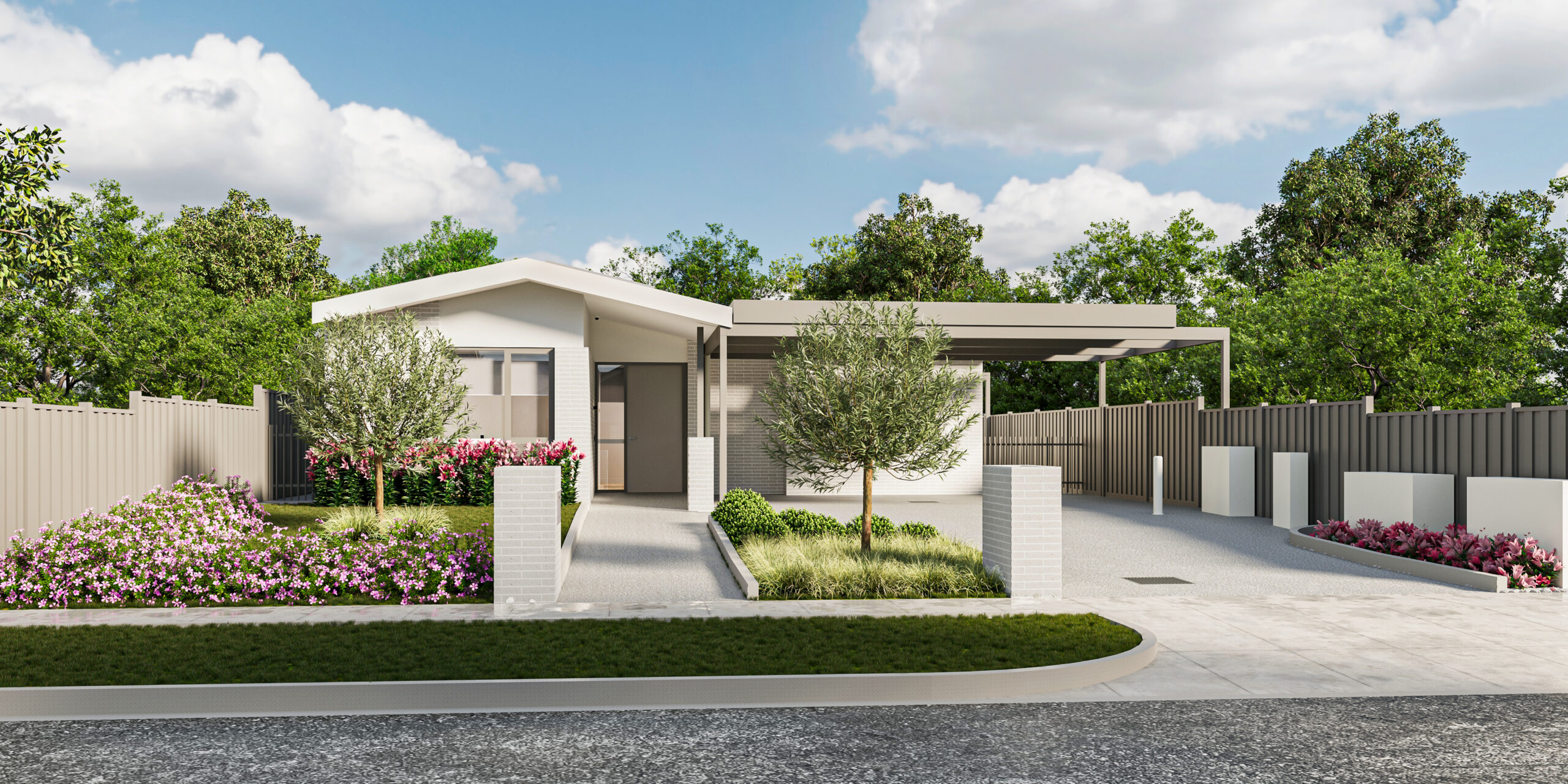
Our newest shared homes, Enliven Residences, are a selection of purpose-built SDA houses and villas designed around these principles.
Yes, with the right provider. At Enliven, our Find a Housemate process involves you from the start, so you can meet potential housemates and share your preferences before any decisions are made. Our guide to housemate matching and compatibility explains how it works and what happens if an arrangement isn’t the right fit.
Are group homes being phased out?
The disability sector is moving toward contemporary housing options that offer greater choice and control. This shift has been reinforced by the Royal Commission into Violence, Abuse, Neglect and Exploitation of People with Disability (Disability Royal Commission) and the National Disability Insurance Scheme (NDIS) Review. Many providers, including Enliven, now focus on modern shared living.
Do I need SDA funding for shared living?
Shared living in a purpose-built home usually involves SDA funding, which covers the home itself. The support you receive inside the home is funded separately. Our guide to funding shared living breaks down how SDA combines with Supported Independent Living (SIL) or Individualised Living Options (ILO). Whether you’re eligible depends on your functional impairment and support needs, which the National Disability Insurance Agency (NDIA) assesses through your plan.