For many Australians with disability, home has traditionally meant fitting into systems that already existed – rather than choosing a living arrangement that truly reflected their preferences, goals and lifestyle.
While disability group homes once represented an important step away from institutional care, expectations around housing, independence and choice have changed significantly over time.
Today, more people are asking an important question, ‘what should shared disability housing actually look like in the future?’
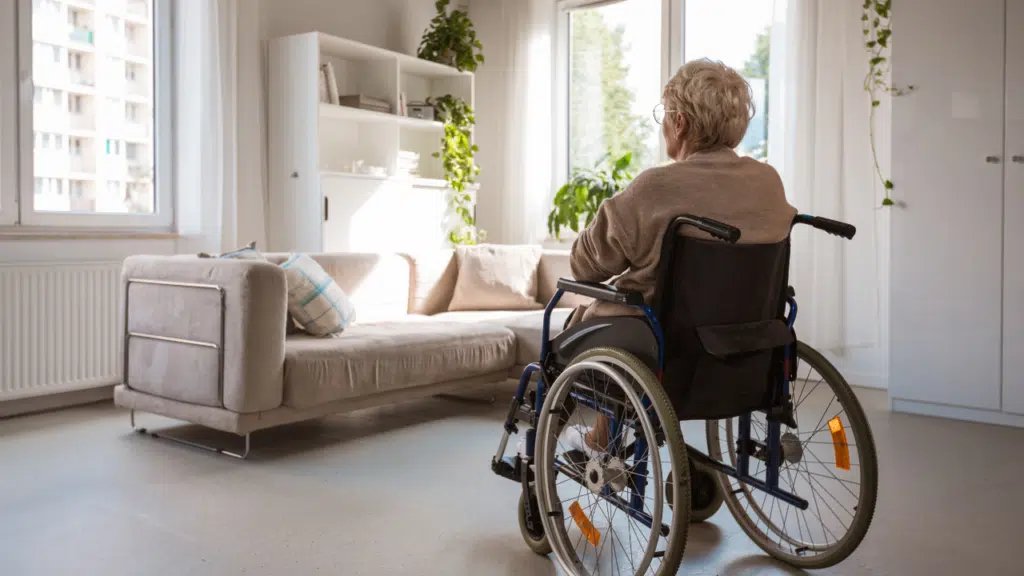
Although disability group homes represented significant progress away from institutional care, they were not without limitations. Many people living in these settings continued to experience restricted independence, limited privacy and little control over important aspects of their daily lives. In many cases, systems and service models were designed around operational efficiency rather than individual choice.
“Group homes were historically necessary, but they are no longer considered best practice for delivering genuine choice and control.”
Over time, disability advocates, people with lived experience, families and researchers began calling for housing models that better reflected the rights, preferences and needs of people with disability. This shift aligned closely with the principles of the United Nations Convention on the Rights of Persons with Disabilities (UNCRPD), which recognises the right of people with disability to live independently and be included in the community.
Today, there is growing recognition that people with disability should have the same opportunities as everyone else – to choose where they live, who they live with and how they want to be supported.
Where Group Homes fall short
Lack of Choice and Control
Tenants often have little say over who they live with, who supports them, or daily routines such as when they eat, wake up or go out. Decisions are frequently made around staffing schedules or household systems, rather than individual preferences and goals.
Incompatible Living Arrangements
People living together are often grouped based on vacancy or support needs rather than shared interests, personalities or lifestyles. This can lead to social isolation, tension within the home or environments that do not support wellbeing and personal growth.
Disconnected from Community
Today, there is growing recognition that people with disability should have the same opportunities as everyone else – to choose where they live, who they live with and how they want to be supported.
A New Approach to Disability Housing
The introduction of Specialist Disability Accommodation (SDA) under the National Disability Insurance Scheme (NDIS) in 2016 reflected a growing recognition that disability housing should be about more than just the building itself. Alongside improved accessibility and design, greater emphasis was placed on creating living arrangements that support choice, independence, community participation and quality of life.
The growth of SDA reflects a broader shift in thinking – away from fitting people into existing systems, and toward designing housing around the individual. Increasingly, people with disability are seeking homes that feel like homes: places where they can build routines, relationships, independence and a sense of belonging.
However, despite this progress, there are still significant barriers preventing many people from accessing genuine housing choice.
What's still getting in the way
Although SDA has created more opportunities for people with disability to access modern, accessible housing, genuine choice and control is still not always easy to achieve in practice.
Limited Housing Supply
In many areas, there are still not enough suitable SDA homes available. This can leave participants with fewer options about where they live, who they live with and what type of home they move into.
Funding and Approval Challenges
Navigating SDA funding can be complex and time-consuming. Some participants experience delays, reviews or funding outcomes that do not align with the type of housing that best suits their needs.
Housing and Support Still Linked Together
In some arrangements, housing providers and support providers remain closely connected. This can make it harder for participants to change supports or exercise genuine choice if issues arise.
Fear of Change
For some participants and families, moving away from traditional models can feel overwhelming particularly when people have lived in group homes for many years. Transitioning successfully requires trust, communication and the right support model.
What needs to change
If we want shared housing to truly succeed, the system needs to evolve in practical, meaningful ways.
Separate housing and support
One of the most important changes in disability housing has been the growing separation between housing and support services.
When housing and support are independent, people have greater freedom to choose who supports them without risking their home environment. It also reduces conflicts of interest and helps ensure choice and control are genuine, not just theoretical.
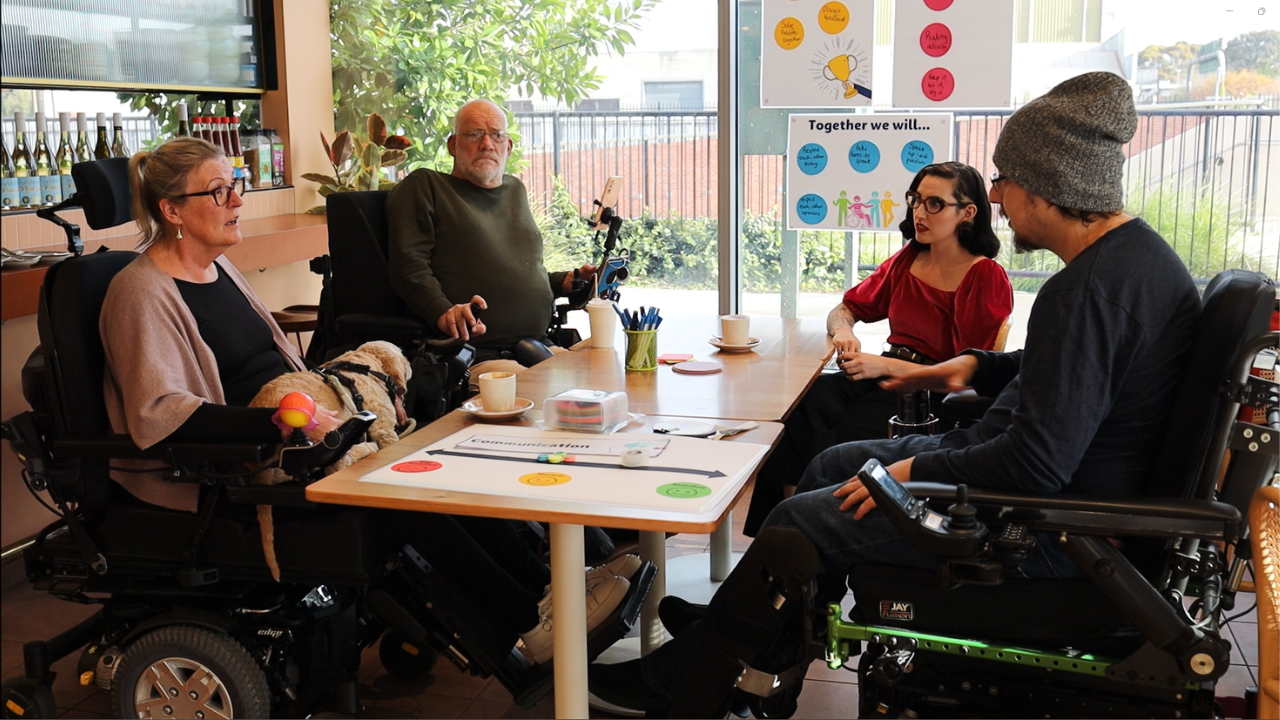
At Enliven Housing, this principle is supported through our Choice Collective model, where tenants are encouraged to provide feedback, participate in annual support reviews and have a stronger voice in how shared supports are delivered.
Enable Flexible Living Arrangements
Housing and support needs can change over time, which is why funding and living arrangements should be flexible enough to adapt alongside the participant.
Creating flexibility within the system can help people feel more confident and supported throughout their housing journey, while also improving long-term stability and outcomes.
At Enliven Housing, our homes are designed to adapt as support needs change. Additional accessibility features and assistive technology can often be added over time, helping participants remain in the home and community they know without needing to relocate or find a new housemate.
Put people at the centre of decisions
At the heart of genuine choice and control is ensuring people with disability are actively involved in decisions about where and how they live. Housing should not be built around systems or convenience – it should be shaped around the individual, their goals and what makes them feel comfortable, safe and supported.
This means listening to what people want, supporting informed decision-making and recognising that everyone has different preferences, priorities and timelines when it comes to finding the right home environment.
At Enliven Housing, participants are involved throughout the housing journey, including choosing who they live with. Through our Find a Housemate process, we work closely with participants to help ensure living arrangements are compatible and that everyone feels comfortable and confident in their shared home environment.
The Future of Shared Disability Housing
At its best, shared housing should empower people to live the life they choose, surrounded by the right supports, in a home and community that feels right for them.
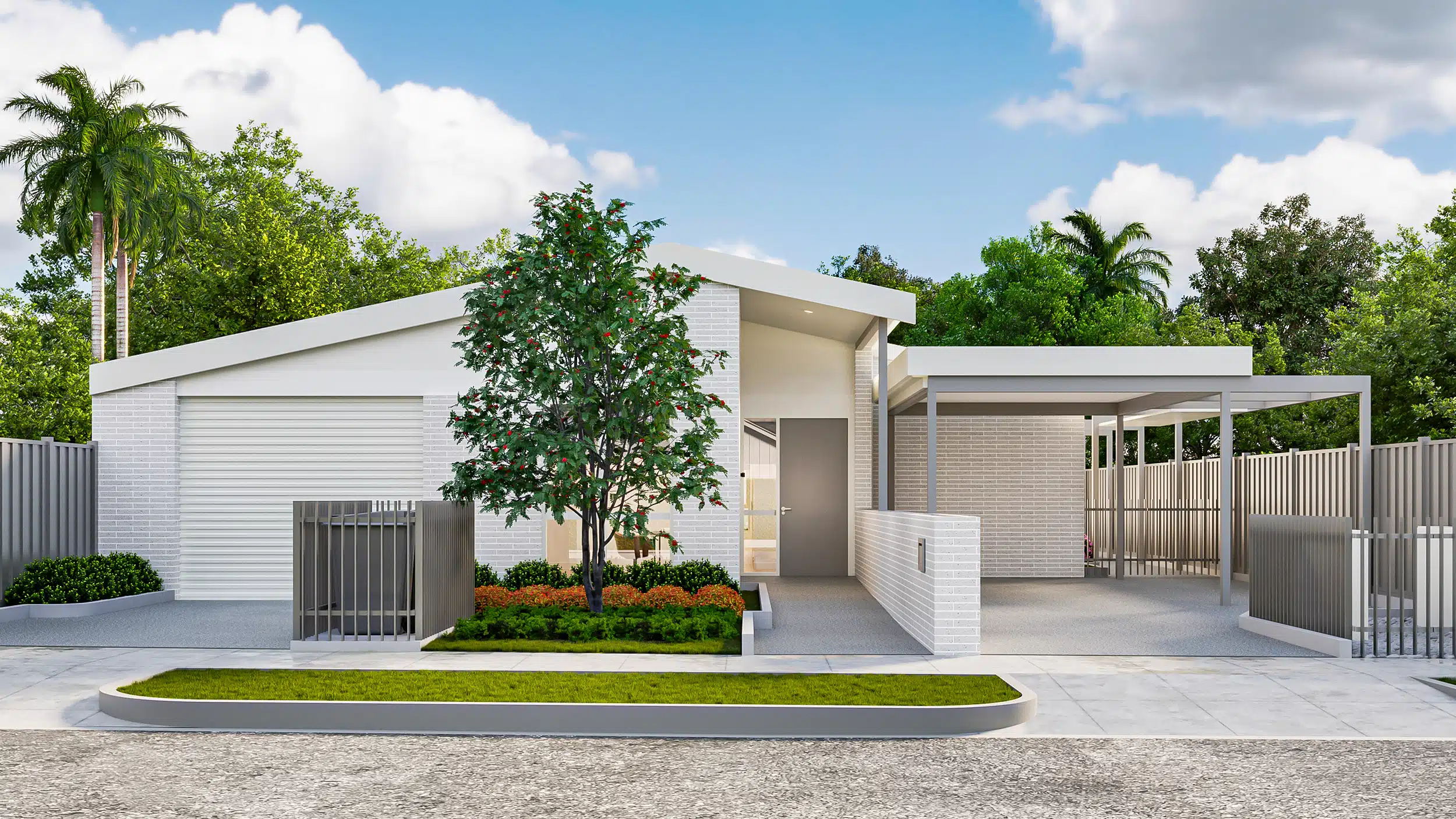
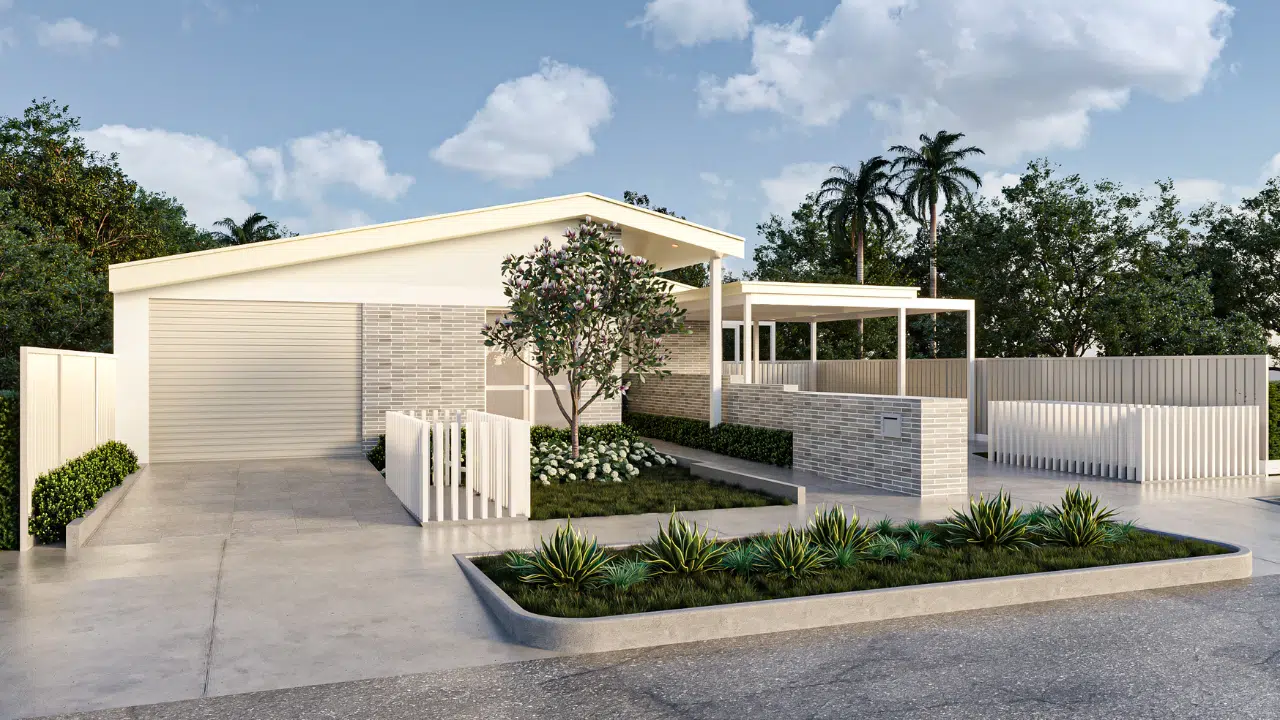
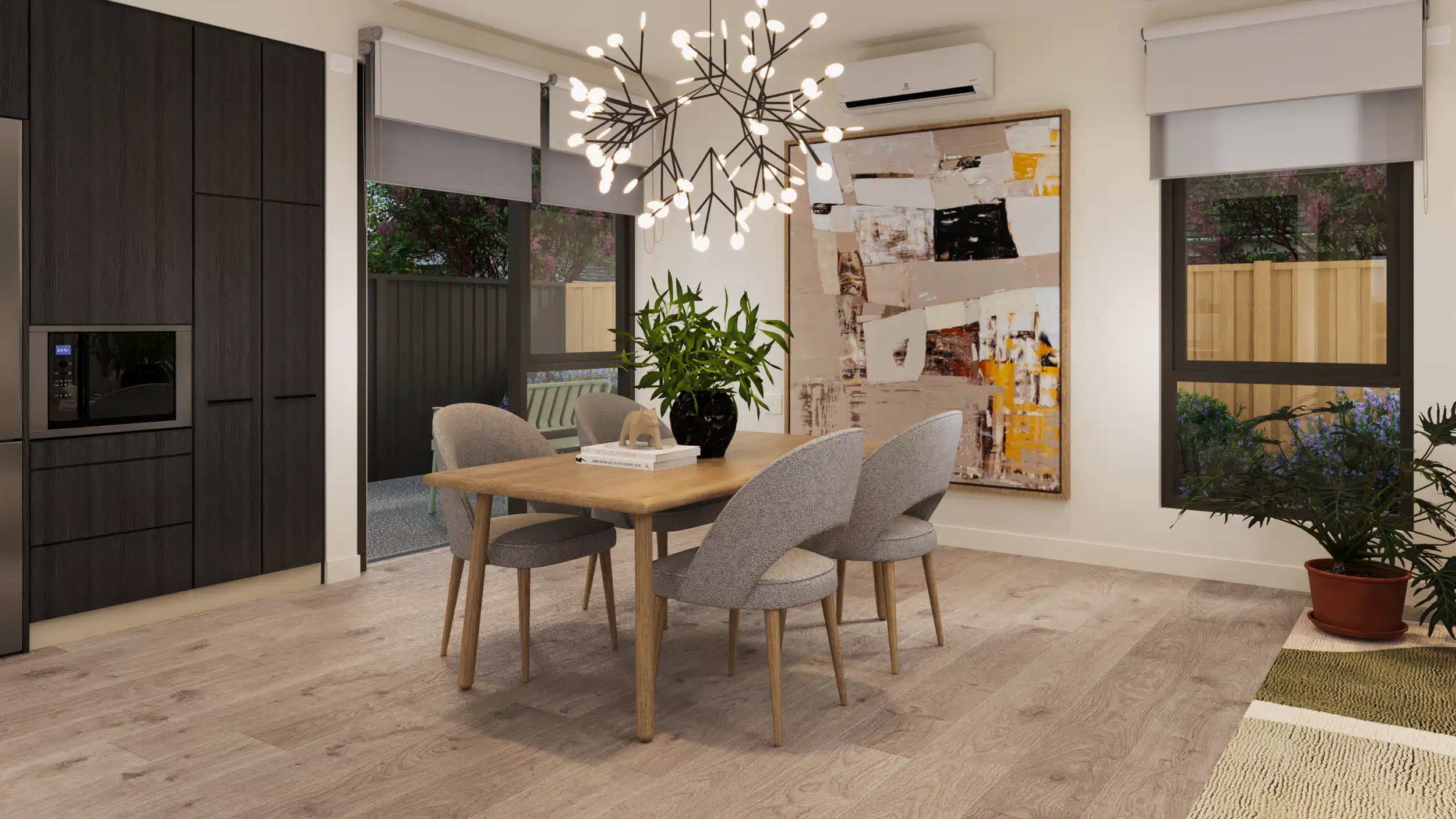
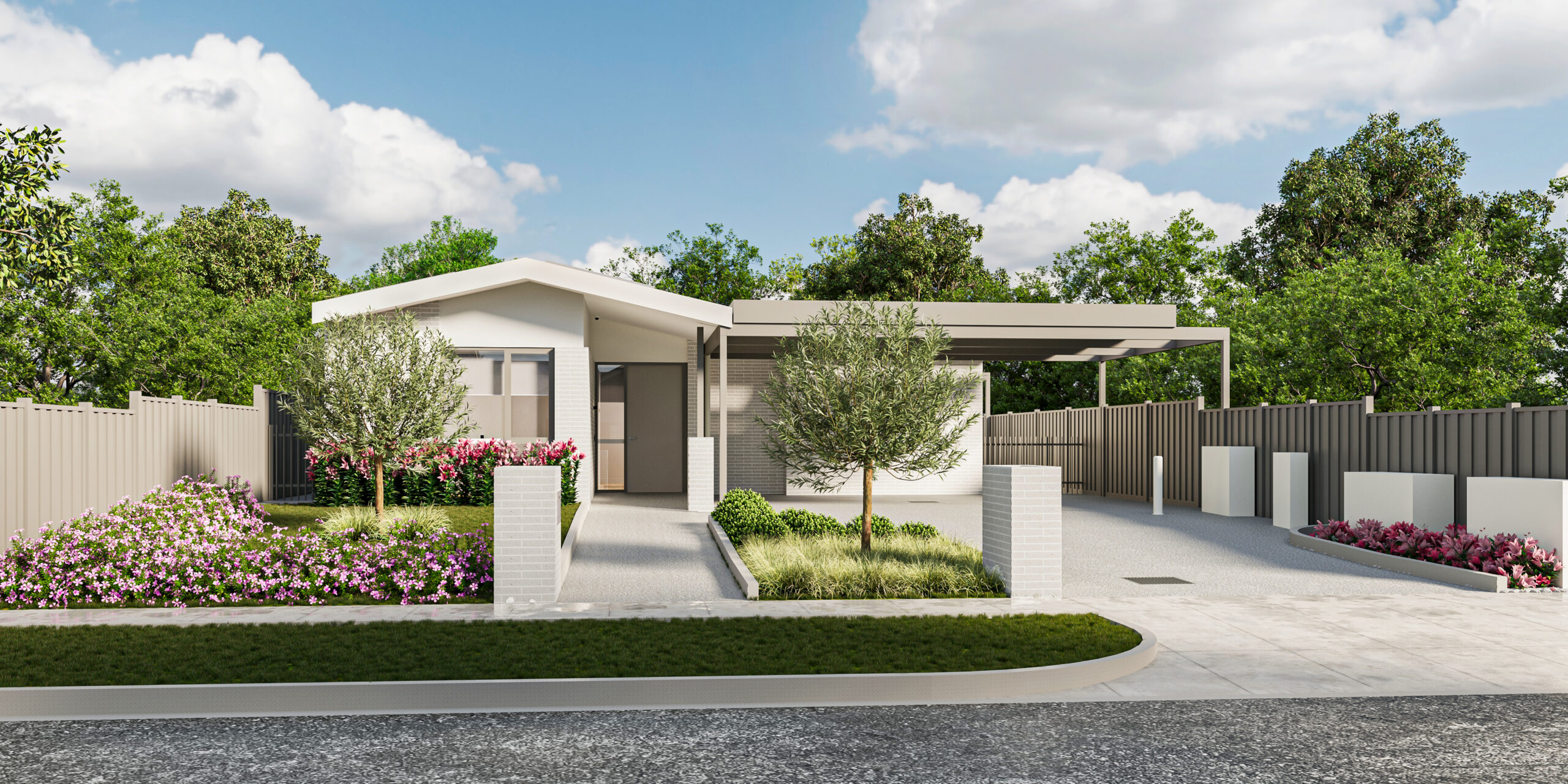
At Enliven Housing, we believe the future of shared disability housing is about moving beyond outdated models and creating homes that put people first. Through Enliven Residences, we’re reimagining what shared living can look like by combining purpose-built housing with greater choice, flexibility and participant involvement. Read more about Enliven Residences and our approach to shared housing here.