SDA

High Physical Support (HPS) SDA – Your Guide

High Physical Support (HPS) is one of four Specialist Disability Accommodation (SDA) design categories funded by the NDIS. It’s the […]

Brad Wainman Brad Wainman
Published 17 Mar 2025 Updated 30 Sep 2026 15 min read
70+ five-star
reviews on Google
High Physical Support (HPS) SDA – Your Guide
70+ five-star
reviews on Google
On this page
Home directory
Find an SDA home near you

Browse live vacancies across every state and territory.

Search the directory Check my eligibility →

Quick summary

High Physical Support (HPS) is one of four Specialist Disability Accommodation (SDA) design categories funded by the NDIS.

  • It's the most supported category, built for people with very high physical support needs who need specialised equipment and space.
  • HPS includes everything in the Fully Accessible category, plus structural provision for ceiling hoists, emergency backup power and heavy-duty fittings.
  • Eligibility is based on your functional support needs, not your diagnosis alone.
  • HPS attracts the highest NDIS SDA payments of any category. You pay a reasonable rent contribution, the NDIS pays the rest.
  • You apply through your NDIS plan with an Occupational Therapist Housing Assessment.

Finding the right home when you have very high physical support needs is a big decision, and the language around it can feel technical fast. This guide explains High Physical Support SDA in plain terms: what the category includes, the conditions and support needs it’s designed for, how it’s different from Fully Accessible, what it costs and how to apply. 

What is High Physical Support (HPS) SDA?

High Physical Support (HPS) is an SDA design category built for people with extreme functional impairment who need a high level of physical assistance with everyday activities. It’s the most comprehensive of the four SDA design categories, which means it carries the most physical access features and structural provisions of any category.

“Physical support” here means hands-on help and specialised equipment for daily tasks such as moving between rooms, transferring in and out of bed, showering and toileting. An HPS home is designed so that this support can be delivered safely, both for you and for the people who assist you.

One point worth clearing up early: HPS is defined by what you need to do day to day, not by your diagnosis. Two people with the same condition can qualify for different categories, because the NDIS looks at your functional capacity, not the label. For the wider picture, start with the SDA Design Categories hub.

Key features of High Physical Support SDA

Ceiling hoist ready

Structural provision and tracking for ceiling hoists, so transfers are safe and independent.

Emergency backup power

Uninterruptible power supply for essential equipment, so critical supports keep running during an outage.

Onsite Overnight Assistance

Not required for HPS, but an Onsite Overnight Assistance (OOA) space can be included where overnight support workers need to stay onsite.

Built for equipment and movement

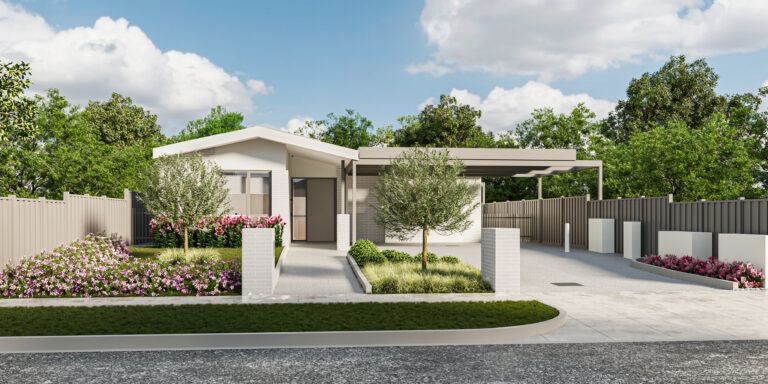
Wider doorways (at least 95cm), reinforced walls, height-adjustable and roll-under kitchen and bathroom fittings, and turning circles sized for powered wheelchairs.

Inside the home
Browse High Physical Support housing

See a real Enliven HPS apartment, including ceiling hoist provision, backup power and an onsite Support Hub. Sydney homes are available now.

View this home

What is included in High Physical Support SDA design?

Every HPS home must meet the requirements set out in the NDIS SDA Design Standard. On top of the accessibility features shared across categories, HPS homes include provisions that are specific to very high physical support needs:

Equipment and power
✓ Structural provision for ceiling hoists in participant bedrooms
✓ Emergency power for essential bedroom outlets and automated entry or exit doors
✓ High-speed internet and communication technology to connect you with supports
✓ Doorways with a clear opening of at least 95cm
Rooms and layout
✓ Accessible kitchen design, including an adjustable-height benchtop
✓ Accessible bathrooms with wheelchair circulation space and reinforced walls
✓ Greater circulation space to accommodate larger mobility equipment

At Enliven Housing, we build past the minimum of the SDA Design Standard. Our design philosophy treats the standard as the floor, not the ceiling, so every part of the home is as functional as possible.

How High Physical Support compares to the other SDA categories

Design categories compared
Minimum requirements by category
Requirement Improved Liveability Fully Accessible High Physical Support Robust
Step-free throughout Partial Yes Yes Varies
Minimum door opening Standard 90cm 95cm Standard
Hoist provision in bedrooms Not required Not required Required Not required
Emergency backup power Not required Not required Required Not required
Impact-resistant materials Not included Not included Not included Required
Wayfinding and contrast Required Included Included Varies
Minimum bedroom size 3.1m × 3.1m 4.07m × 3.1m 4.07m × 3.1m 3.1m × 3.1m
Minimum corridor width 1m 1.2m 1.2m 1m
Communication technology (intercom) Not required Reccomended Required Not required

Indicative summary only. Enrolment requirements are set out in the NDIS SDA Design Standard.

Important

HPS vs Fully Accessible, the key difference

A Fully Accessible home gives you comprehensive wheelchair access.

A High Physical Support home also adds:

– ceiling hoists
– emergency backup power
– on-site overnight assistance.

How High Physical Support compares to the other SDA categories


HPS is designed for people who need substantial physical assistance for most of the day and specialised equipment to stay safe and independent at home. Because eligibility is based on function rather than diagnosis, there is no fixed list of conditions. That said, people who often benefit from HPS design include those living with:

Severe mobility impairment

Relying on a wheelchair or other mobility aid, with accessible design needed to support movement and daily activities. Spinal cord injury, quadriplegia and paraplegia, severe arthritis, amputation, muscular dystrophy.

Neuromuscular disorders

Conditions affecting the nerves and muscles that control movement, often needing significant physical support. Cerebral palsy, stroke, motor neurone disease (MND/ALS), multiple sclerosis, acquired or traumatic brain injury, peripheral neuropathy .

Degenerative conditions

Conditions that reduce physical ability over time, so the home needs to adapt alongside changing needs. Parkinson’s disease, Huntington’s disease, advanced musculoskeletal disorders.

If you’re exploring housing for a specific condition, our housing by diagnosis guides go into more detail on how SDA design supports each one.

Are you eligible for High Physical Support SDA?

Being an NDIS participant does not automatically make you eligible for SDA. The NDIS funds SDA, and HPS specifically, when it is the best option for your support needs compared with other supports alone.

 
You may be eligible if you
✓ Are a current NDIS participant, under 65 years old
✓ Have an extreme functional impairment or very high support needs
✓ Need substantial help with daily physical tasks such as transfers and personal care
✓ Rely on specialised equipment such as a hoist or powered wheelchair
And HPS SDA would
✓ Improve, maintain or prevent decline in your functional capacity
✓ Lower your need for future support from others
✓ Let support be delivered more safely and effectively
✓ Represent value for money against the benefit you receive
✓ Build stronger connections with informal and formal supports

Usually a Functional Capacity Assessment and a housing report from your Occupational Therapist, plus a Home and Living Supporting Evidence Form prepared with your Support Coordinator.

No. The NDIS assesses your functional support needs, not your diagnosis alone. Your evidence should show what you need help with day to day.

Yes. If your function changes and you need a higher design category, you can request a change of circumstances. See our SDA eligibility and funding guide for detail.

Eligibility check
Not sure whether you qualify for HPS SDA?

Our calculator points you in the right direction in under 60 seconds. No paperwork needed.

Check my eligibility

How much does the NDIS pay for High Physical Support SDA?

HPS attracts the highest SDA payments of any design category, because it carries the most specialist features. That funding is paid by the NDIS directly to your SDA provider, who owns the home and rents it to you much like a landlord. You still make a smaller rent contribution.

 
Your reasonable rent contribution
With Enliven Housing, capped at the following
25%
of your Disability Support Pension
25%
of your Pension Supplement
100%
of Commonwealth Rent Assistance or equivalent

How to apply for High Physical Support SDA

1
Gather your documents

Allied health reports, a functional capacity assessment and a home and living supporting evidence form.

 
2
Send the application

Submit your Change of Situation form and supporting evidence to the NDIA.

 
3
Phone meeting

An NDIS representative walks you through the planning process.

4
Planning meeting

You discuss your circumstances, daily needs, safety requirements and goals.

5
SDA approval

Your funded design category is confirmed. If HPS is approved, you can start looking at HPS homes.

6
Find your home

Enquire about open homes and register your interest.

Ready to start the application?

Our Home and Living team can help you assemble evidence and understand what to expect at each step.

How to apply guide

High Physical Support and your support: SDA vs SIL

The simplest way to hold it in your head: SDA pays for the building, SIL pays for the people. HPS is the home and its features. The personal support delivered inside it is usually funded separately through Supported Independent Living (SIL) or other NDIS supports.

 
SDA Bricks and mortar
Specialist Disability Accommodation
● Funds the physical dwelling and its maintenance
● Paid directly to your housing provider
● Tied to a design category and an enrolled property
SIL People and support
Supported Independent Living
● Funds paid personal support and daily living help
● Covers tasks like household chores and personal care
● Delivered by your chosen support provider, not your landlord

At Enliven Housing we specialise only in housing and tenancy, not personal support. Separating the two is deliberate: you choose where you live and who supports you, independently of each other. Full detail in our SIL vs SDA guide.

Find a High Physical Support home

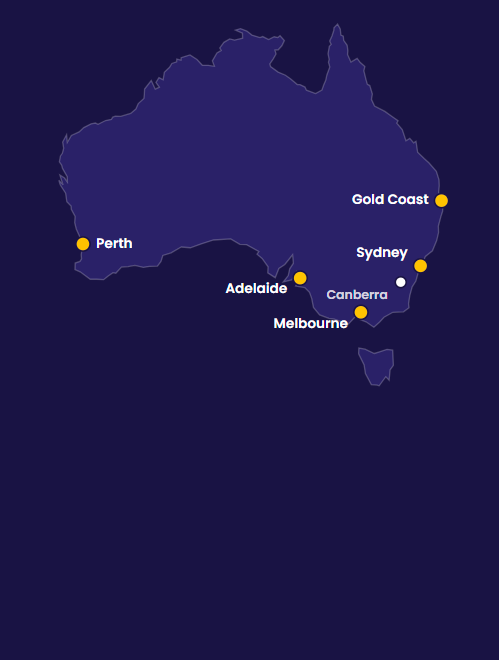
Location matters as much as design. Our homes sit in well-connected suburbs close to transport, health services and the people you already know. Browse HPS and other homes by city.

Why choose Enliven for High Physical Support SDA

Purpose-built, not just compliant

Our homes are designed and built past the minimum of the NDIS SDA Design Standard. Purpose-built for independence, not just compliance.

Friendly Landlord model

We do housing and tenancy well, we are 100% pet friendly, most 5-star reviewed, and we do not outsource.

"We become part of your team. We understand the value of including tenants in the decisions that shape where they live."

Enliven Housing

The Enliven difference

Why choose Australia’s most trusted
SDA housing provider

✓ Most 5-star reviewed
✓ Friendly landlord model
✓ 100% pet friendly
✓ We don’t outsource

Frequently Asked Questions

It means the home is built for people who need substantial hands-on help and specialised equipment for daily tasks, with the design and provisions to deliver that support safely.

Fully Accessible gives full wheelchair access. High Physical Support includes all of that plus ceiling hoists, emergency backup power and onsite overnight assistance for the highest support needs.

People with extreme functional impairment and very high physical support needs. Eligibility is based on function, not diagnosis.

HPS attracts the highest SDA payments of any category. The NDIS pays your provider directly and you make a capped reasonable rent contribution.

Improved Liveability, Fully Accessible, High Physical Support and Robust.

SDA funds the home and its features. SIL funds the personal support delivered inside it. You can have one, the other, or both.

No. SDA uses design categories, not support levels. High Physical Support is one of the four design categories set by the NDIS.

Speak to our team
Speak to our team

Not sure where you sit in the process? A ten-minute call with our team will tell you what to do next.

Related blog posts

All resources →
Enliven Housing Launches New Support Coordinator Hub
News
Enliven Housing Launches New Support Coordinator Hub

We’re excited to introduce the new Enliven Housing Support Coordinator Hub – a dedicated online space designed to make navigating Specialist Disability Accommodation (SDA) easier for Support Coordinators. We work with Support Coordinators every day, and we know how important…
Why Is My SIL Funding Different to My Housemate’s?
SDA
Why Is My SIL Funding Different to My Housemate’s?

One of the great things about shared living is that everyone's support can be tailored to their individual needs. That means even if you and your housemate live in the same home, your NDIS plans may look quite different.You might…

Shared Living and Supports: How They Work Together
SDA
Shared Living and Supports: How They Work Together

If you're exploring shared living, you've probably come across terms like SDA, SIL and ILO. Understanding what each one means can feel confusing at first, especially when they're often explained separately.Shared living is a living arrangement where you share a…

Group Home vs Shared Living: What’s the Difference?
SDA
Group Home vs Shared Living: What’s the Difference?

If you have been searching for a disability group home, you have probably noticed the term pops up everywhere, often meaning slightly different things. You may also have come across "shared living" and wondered whether it is just another word…

Housemate Matching and Compatibility: Who Will I Live With?
SDA
Housemate Matching and Compatibility: Who Will I Live With?

For a lot of people, this is the question that matters most about shared living. Not the funding, not the building, but the people. Who will I actually live with? What if we don’t get along? And can I choose…

Feedback Form

"*" indicates required fields

Request a Call Back

"*" indicates required fields

Name*