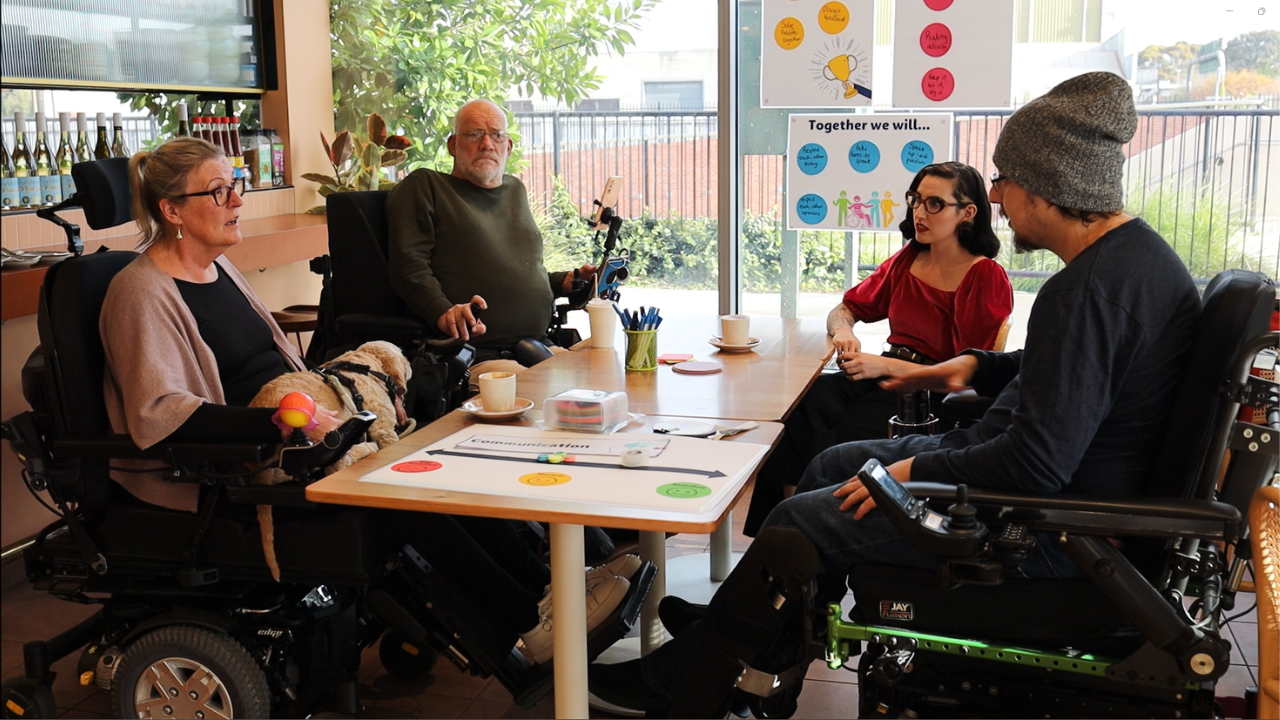
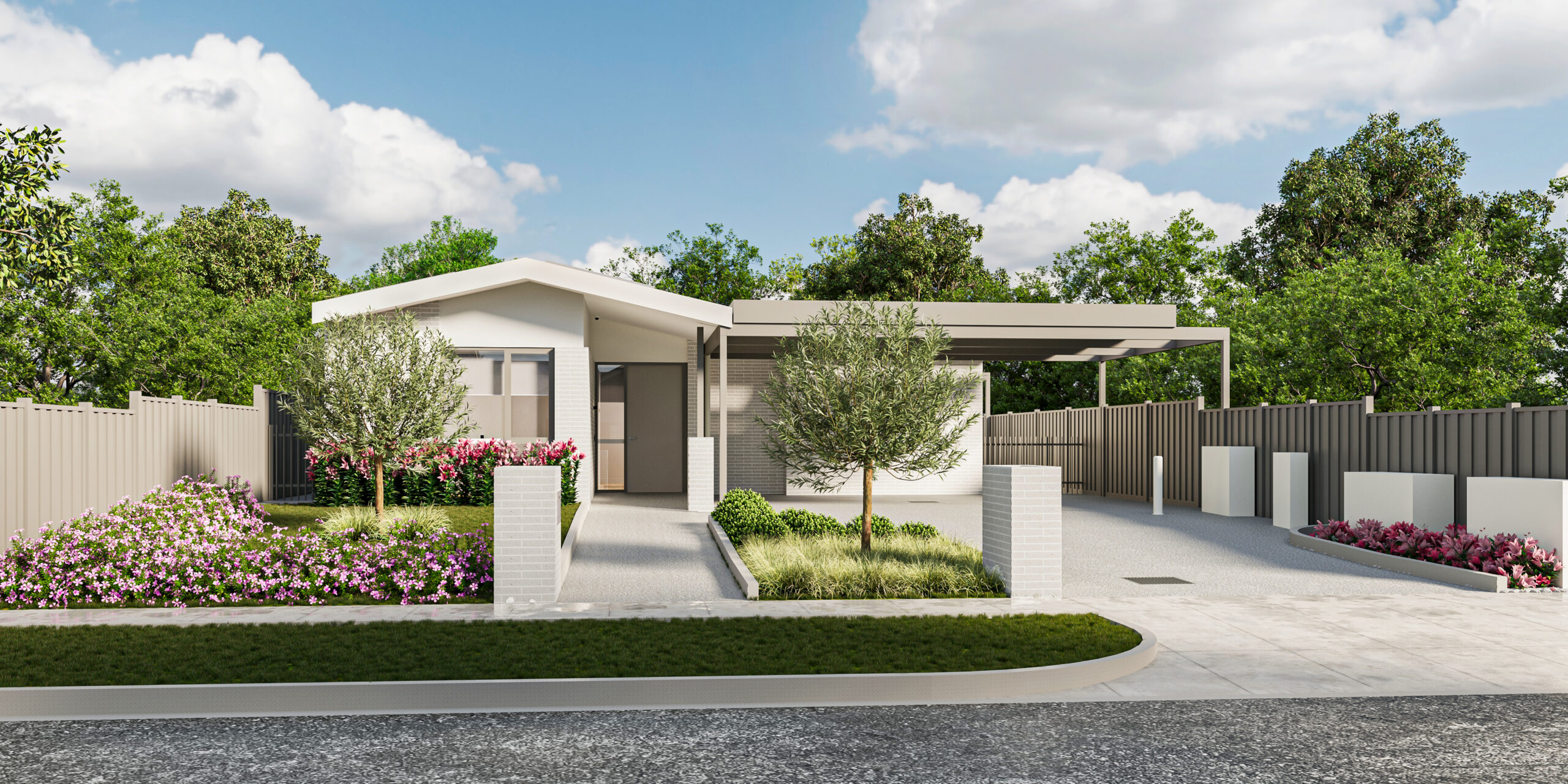
One of the great things about shared living is that everyone’s support can be tailored to their individual needs. That means even if you and your housemate live in the same home, your NDIS plans may look quite different.
You might have different levels of SDA funding, different support budgets or different support hours. While this can seem confusing at first, it’s completely normal. NDIS funding is based on each person’s individual circumstances, goals and support needs, not simply where they live.
In this guide, we’ll explain how funding works in a shared living arrangement, why housemates often have different NDIS plans, and why creating the right living environment is about much more than matching funding.
A quick recap: two funding streams, two jobs
Before we get into the numbers, one quick point. In a shared home, there are usually two separate types of NDIS funding at work.
Specialist Disability Accommodation (SDA) funding covers the home itself. Supported Independent Living (SIL) or Individualised Living Options (ILO) funding covers the support you receive inside it. They are separate, and they are assessed separately. If you want the full picture of how the home and the support fit together, our guide to how shared living and supports work together explains it. This article focuses on the money: how it is worked out, and why yours may not match your housemate’s.
How your SDA payment works
Let’s start with the home, because this part is actually the more straightforward of the two.
If you have SDA funding in your plan, the NDIS pays that funding directly to your housing provider. You do not receive it or handle it yourself. It covers the cost of the specialist home, the accessible design, and the building.
What you pay is separate and much smaller. It is called a Reasonable Rent Contribution. This is a capped amount, set by the NDIA and updated twice a year, in March and September. It is calculated as a percentage of the Disability Support Pension plus Commonwealth Rent Assistance, so it stays affordable no matter how expensive the home was to build. As of March 2026, the maximum for a single participant is around $516 per fortnight.
On top of your rent contribution, you pay your share of everyday household costs like electricity, water, and food, the same as anyone living in any home. Your SDA rent contribution is capped the same way regardless of which design category you live in, so a high physical support home with a ceiling hoist and backup power is capped at the same rate as a simpler one.
Here is the key point for shared living: your rent contribution is based on your income, not the home. So even you and your housemate’s rent contributions can differ, simply because your incomes or entitlements differ.
How your SIL funding works, and why it varies
SIL funding pays for the support workers who help you day to day. Unlike SDA, it’s not a flat figure. It’s worked out individually for each person, based on their assessed needs, through a document called a roster of care.
A roster of care is essentially a detailed timetable. Your support provider maps out, hour by hour across a typical week, what support you need, when you need it, and how many workers are involved. That roster is costed against the NDIS price limits and becomes your SIL budget. Because it’s built around your specific needs, no two rosters are the same.
Three things drive the size of a SIL budget more than anything else.
Your support ratio
This is how many people share one support worker at a given time. A 1:1 ratio means one worker supports you alone. A 1:2 ratio means one worker is shared between you and one housemate. A 1:3 ratio means one worker is shared across three people. The more support is shared, the lower the cost to each person for that period. Your ratio can even change across the day, higher support during busy morning routines, lower support in quieter periods.
Your total hours and the times you need them
Support on weekends, public holidays, and overnight is priced differently to weekday support, so the pattern of when you need help matters, not just how much.
Put all of that together and you can see why two people in the same house end up with very different SIL budgets. One might need active overnight support and 1:1 help in the mornings. The other might be comfortable with a 1:3 ratio and a sleepover. Same house, completely different needs, completely different plans.
Why different plans under one roof is normal
Your NDIS funding is based your support needs and goals. It’s not based on your address or on what your housemate receives. Two people can live in identical bedrooms, side by side, and have entirely different plans, because they’re different people with different needs.
A bigger plan does not mean someone is getting a better deal, and a smaller plan does not mean you have been short-changed. It means the funding has been matched to the person. That is the system working as intended.
If you’re still getting your head around how shared living works overall, our complete guide to shared living is a good place to step back and see the full picture.
What happens if your ratio doesn't match your housemate's?
This is a fair question, because shared supports rely on people’s needs lining up reasonably well. So what happens if your funded ratio is different to the people you live with?
In practice, this is usually manageable. Where ratios differ between housemates, some support providers are willing to work out an arrangement that produces a good outcome for everyone in the home. It takes some coordination, but it happens often.
We want to be honest with you here though. This cannot be promised. It depends on the providers involved, the specific needs in the home, and how the shared supports are structured. It is worth asking about early rather than assuming it will simply work itself out.
The thing that matters more than funding ratios
Finding the right housemate matters more than matching funding ratios.
While funding and support arrangements are important, they’re only one piece of the puzzle. What makes a shared home successful is whether the people living there feel comfortable together, respect one another’s routines and preferences, and genuinely enjoy sharing a home.
Support arrangements can often be planned around individual needs. Finding people who are compatible is much harder, which is why it’s something that deserves time and careful consideration.
At Enliven Housing, we take a person-centred approach to housemate matching. Rather than simply filling a vacancy, we focus on bringing together people with compatible lifestyles, interests and living preferences to help create a home where everyone feels comfortable. You can learn more about our housemate matching process in our dedicated guide.
What if you think your funding is wrong?
Sometimes the concern is not that your plan differs from your housemate’s, but that your own funding does not reflect what you actually need. If that happens, the decision is not necessarily final.
You can request a review of an NDIS funding decision. Strong, specific evidence from your treating professionals is what makes the difference.
Frequently asked questions
Do I pay rent in a shared SDA home?
Yes, but it’s capped and affordable. You pay a Reasonable Rent Contribution, calculated from your pension and rent assistance, plus your share of household costs like utilities and food. Your SDA funding, which covers the home itself, goes directly to your housing provider by the NDIS.
What is a support ratio?
It describes how many people share one support worker at a time. A 1:1 ratio is one worker for you alone. A 1:3 ratio means one worker is shared across three people. Your ratio can vary across the day depending on when you need more or less support.
What if my funding ratio doesn't match my housemates'?
It is often workable. Some support providers will coordinate an arrangement that suits everyone in the home, though this cannot be guaranteed. It is worth raising early so everyone knows where they stand.
Can I get my SIL funding changed if it is not enough?
You can request a review of the decision, backed by current evidence from your treating professionals.